Wadi Hitan National Park: Valley of the Whales
Explore the ancient Valley of the Whales in Egypt's Western Desert, a UNESCO site with unique whale fossils and stunning landscapes.
Wadi Hitan National Park, also known as the Valley of the Whales, is a UNESCO World Heritage Site in the Fayoum Governorate of Egypt. The park is renowned for its abundant, well-preserved fossils of early whales, offering a unique glimpse into the evolution of these marine mammals.
A brief summary to Wadi Hitan National Park
- 729F+226, Faiyum Governorate, EG
- +201146742577
Local tips
- Visit during the cooler months (October to April) to avoid the harsh desert heat.
- Wear comfortable shoes for exploring the sandy terrain and fossil sites.
- Bring sunscreen, a hat, and plenty of water to stay hydrated.
- Arrange transportation in advance, as public transport options are limited.
- Respect the park's rules and regulations, including staying on designated trails and not removing any fossils or artifacts.

Getting There
-
Car
Wadi Hitan National Park is approximately 150 miles (241 km) southwest of Cairo. Take the Al Wahat Road (Desert Road) and continue onto Fayoum Road until you reach the park. The journey takes about 3-4 hours, depending on traffic conditions. A 4x4 vehicle is recommended due to the unpaved roads and desert sands. Entrance fees to the National Park are approximately 180 LE per person. Entrance fees to the Climate Change Museum are approximately 180 LE per person. It's advisable to arrange transportation with a local tour operator or private driver.
Discover more about Wadi Hitan National Park
Iconic landmarks you can’t miss

وادي الحيتان
1.9 km
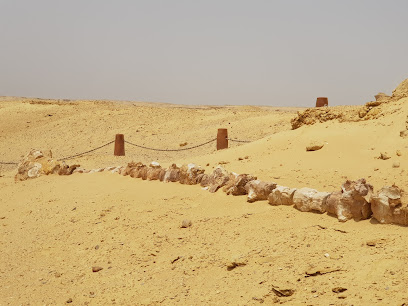
Explore Wadi Al-Hitan: A UNESCO site revealing the evolution of whales through remarkable fossils in Egypt's Western Desert.
شلالات وادي الريان
39.2 km
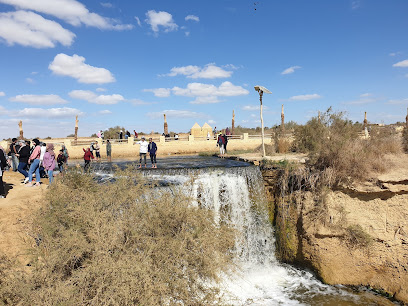
Discover the beauty of Wadi El Rayan Waterfalls, a unique desert oasis in Fayoum, Egypt, offering stunning landscapes and refreshing activities.
Mangrove Camp Fayoum
41.6 km
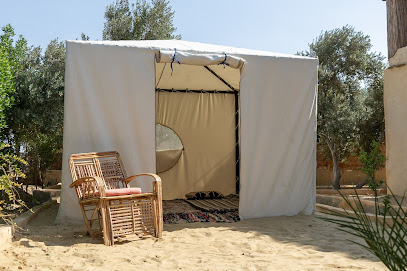
Escape to a tranquil lakeside oasis at Mangrove Camp Fayoum, offering nature, relaxation, and cultural experiences near Cairo.
تنظيم رحلات الفيوم بحيره قارون وادي الريان وادي الحيتان
71.2 km
Discover Fayoum: Explore ancient wonders, stunning lakes, and unique desert landscapes in Egypt's largest natural oasis.
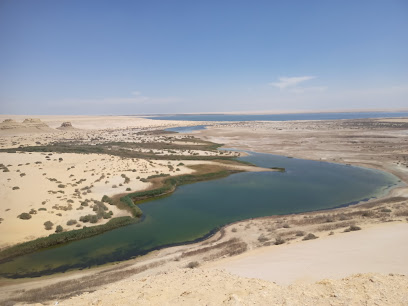
Umm El Baragat
73.9 km
Discover Umm El Baragat: An ancient Egyptian statue offering a serene and authentic historical experience in Faiyum Governorate.

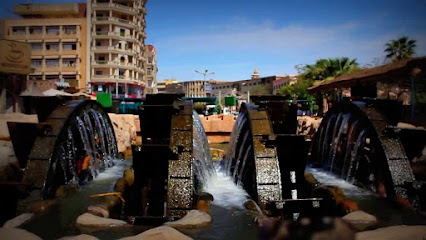
سواقي الهدير
79.9 km
Discover the historic Roaring Waterwheels (سواقي الهدير) in Fayoum, Egypt—an ancient irrigation marvel blending natural beauty with rich cultural heritage.
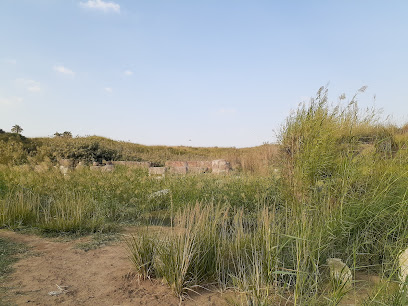
معبد حريشيف
90.8 km
Explore the ancient wonders of معبد حريشيف in Beni Suef, a captivating gateway to Egypt's rich history and culture.
Unmissable attractions to see

وادي الحيتان
1.9 km
Explore the wonders of Wadi Al-Hitan, a UNESCO World Heritage site showcasing ancient whale fossils and stunning desert landscapes.
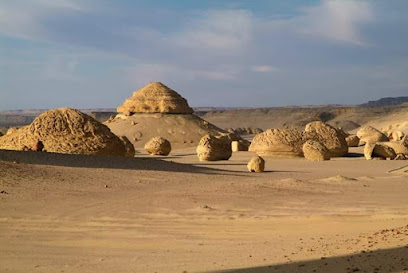
Wadi El Hitan
17.3 km
Discover Wadi El Hitan, Egypt's Valley of Whales, where ancient marine history meets breathtaking desert landscapes in a UNESCO World Heritage site.
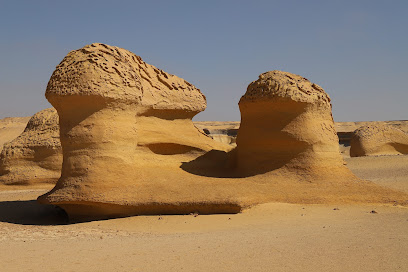
Magic lake camp
33.4 km
Experience nature's embrace at Magic Lake Camp in Faiyum, offering serene landscapes, diverse wildlife, and a magical outdoor adventure.
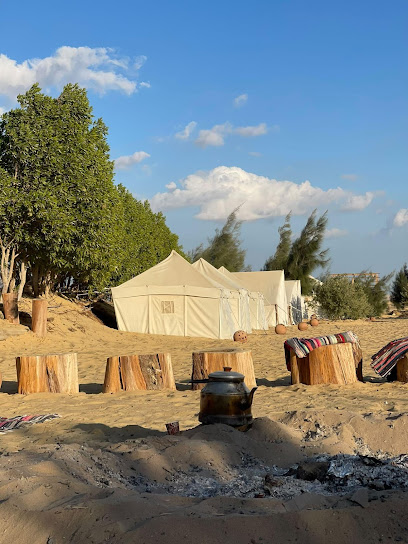
Jabal El Medawara
33.4 km
Discover the breathtaking views and serene beauty of Jabal El Medawara, a must-visit mountain peak in Egypt's Faiyum Governorate.
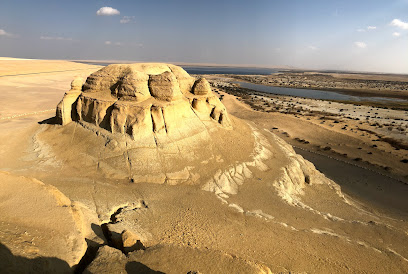
Sand boarding faiyum
34.1 km
Experience the thrill of sandboarding amidst the breathtaking dunes of Faiyum, a unique adventure in Egypt's stunning desert landscape.
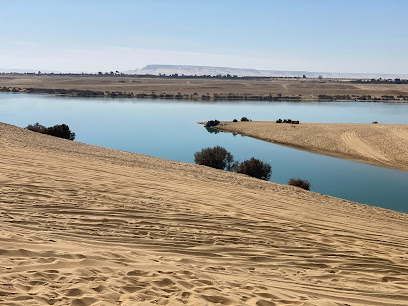
Wadi El Rayan Lake
37.7 km
Explore the breathtaking Wadi El Rayan Lake, a natural oasis filled with stunning landscapes, diverse wildlife, and unforgettable experiences in Egypt's Faiyum Governorate.
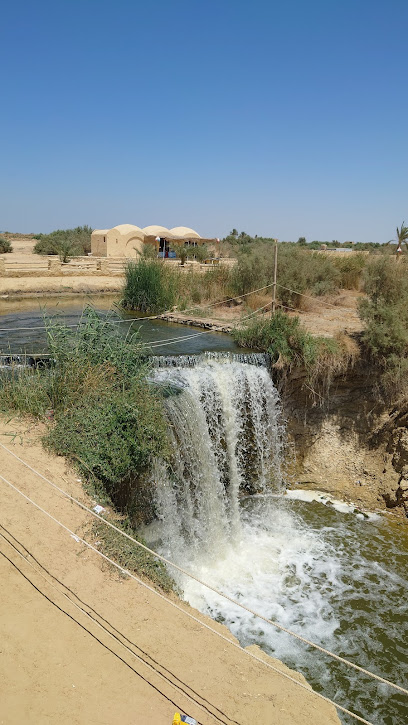
Wadi El Rayan
37.7 km
Discover the serene beauty of Wadi El Rayan, a stunning desert oasis in Egypt, featuring breathtaking lakes and diverse wildlife for an unforgettable adventure.
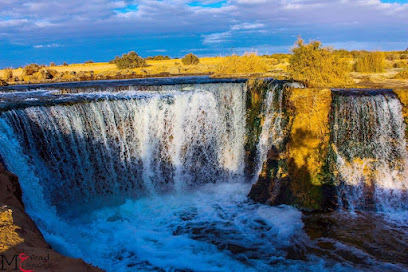
Entry gate Wadi Rayan Falls
37.7 km
Experience the breathtaking beauty of Wadi Rayan Falls, a natural landmark in Egypt, offering stunning vistas and serene landscapes for nature lovers.
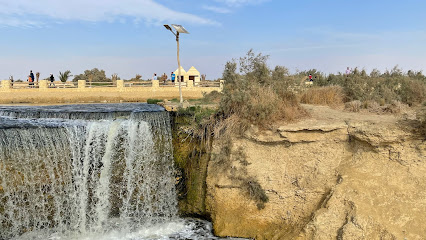
Wadi El Rayan Fayoum Falls
39.1 km
Explore the stunning Wadi El Rayan Fayoum Falls, a breathtaking oasis with waterfalls, diverse wildlife, and endless opportunities for adventure and relaxation.
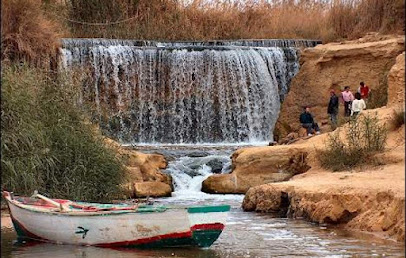
Qasr Qaroun Temple
41.3 km
Explore the Qasr Qaroun Temple, an ancient Egyptian site blending stunning architecture with the tranquil beauty of Lake Qarun.
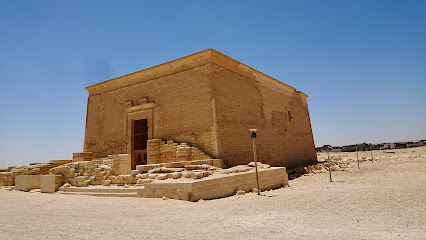
Qasr Qarun Archaeological Site
41.6 km
Discover the ancient beauty and history of Qasr Qarun, a remarkable archaeological site nestled in the heart of Egypt's Faiyum Governorate.
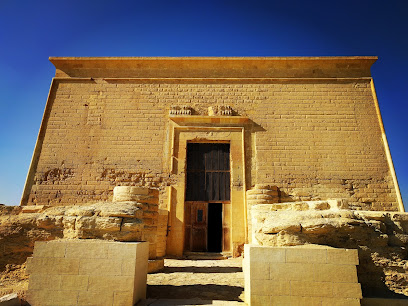
Wadi el Rayan Gates
42.7 km
Discover the breathtaking beauty of Wadi el Rayan Gates, a stunning natural park in Egypt's Faiyum Governorate, filled with waterfalls and diverse wildlife.
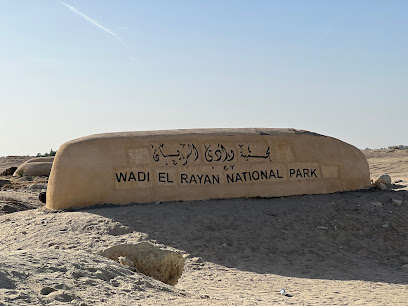
وادي الريان
45.3 km
Explore Wadi Al Raian, a stunning park in Faiyum, Egypt, known for its breathtaking landscapes, wildlife, and serene natural beauty.
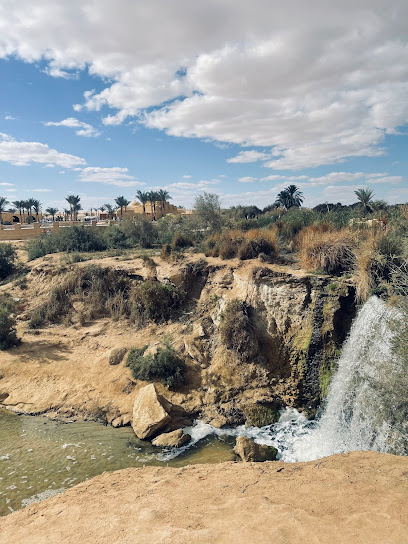
Tarek Sailing Boat طارق للمراكب الشراعية
47.6 km
Explore the serene waters of Qarun Lake with Tarek Sailing Boat, offering a picturesque adventure amidst Egypt's natural beauty.
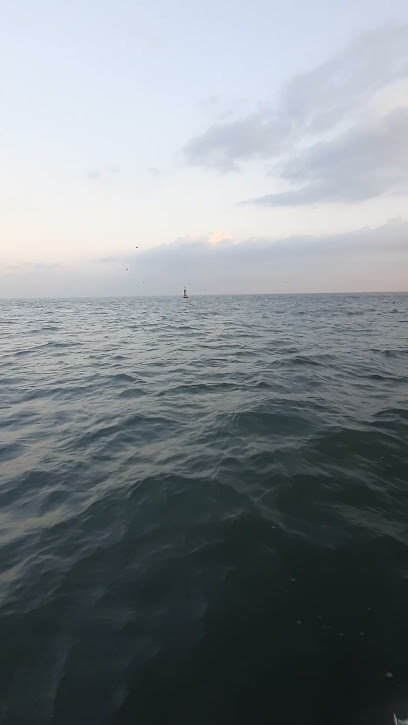
Explore Fayoum
47.8 km
Explore Fayoum, Egypt: A captivating oasis of history, nature, and culture with stunning landscapes and vibrant local life.
Essential places to dine

Wadi Rayan Cafeteria
39.0 km
Discover authentic Egyptian cuisine at Wadi Rayan Cafeteria in Faiyum, where stunning views meet delicious local flavors.
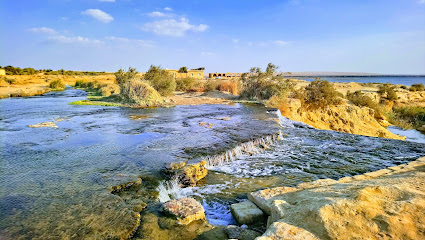
جنة الوادي
39.0 km
Experience authentic Egyptian cuisine at جنة الوادي in Faiyum - where flavor meets tradition in a beautiful buffet setting.
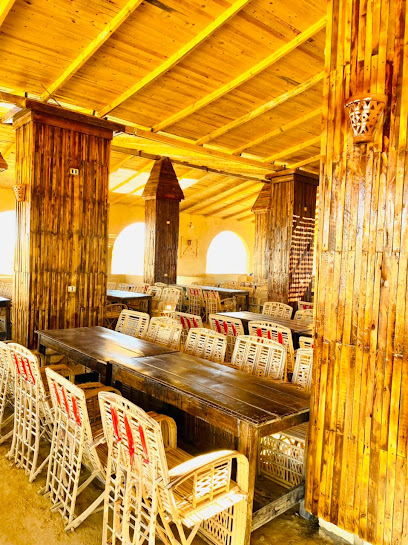
ايس كريم الشلال
39.3 km
Experience irresistible ice cream delights at ايس كريم الشلال amidst the stunning landscapes of Wadi El Rayan in Faiyum Governorate.
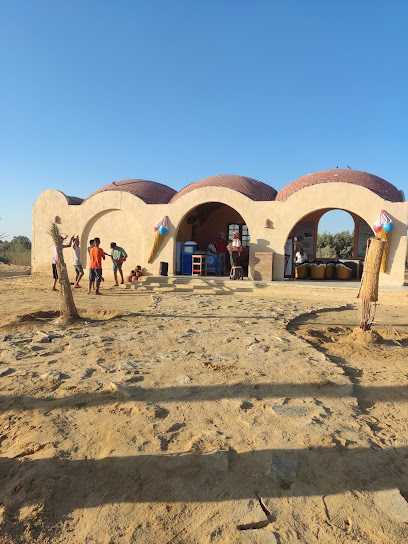
Flamingo camp
42.0 km
Discover tranquility at Flamingo Camp by Qarun Lake—where nature meets comfort with delicious dining options.
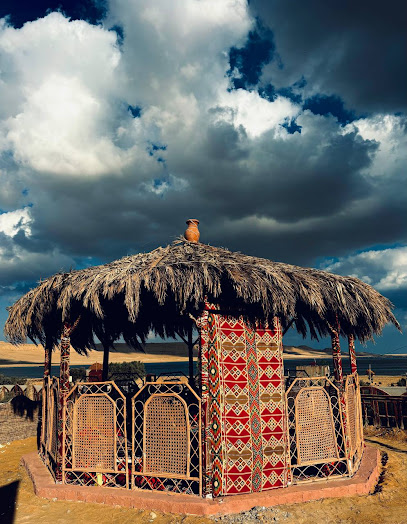
Ibis Restaurant & Cooking School
47.2 km
Experience authentic Egyptian flavors at Ibis Restaurant & Cooking School - where dining meets culinary education in Faiyum.
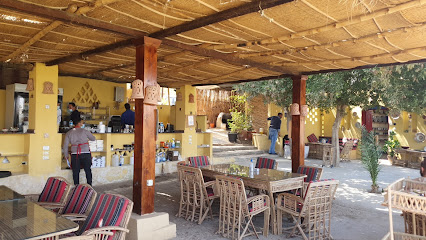
Blue Donkey
47.4 km
Experience unparalleled fine dining at Blue Donkey in Faiyum Governorate, where exquisite flavors meet stunning views.
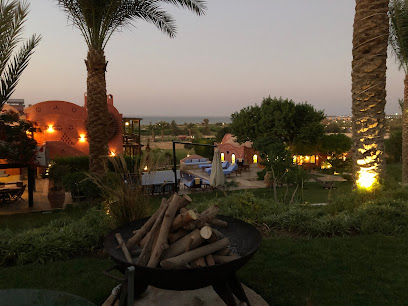
Lazib Inn Resort & Spa
47.6 km
Experience luxury and tranquility at Lazib Inn Resort & Spa in Faiyum - your perfect getaway surrounded by nature's beauty.
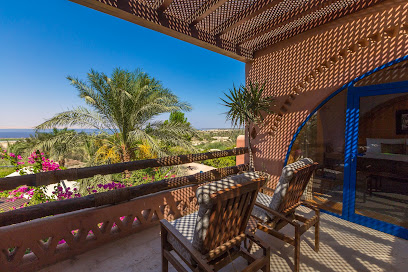
مطعم قرية تونس _Tunis Village Restaurant
47.7 km
Discover authentic Egyptian flavors at Tunis Village Restaurant in Faiyum—where delicious cuisine meets breathtaking scenery.
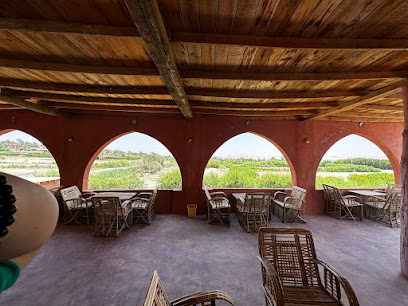
Elsawy Restaurant
47.8 km
Discover authentic Egyptian barbecue at Elsawy Restaurant in Ibsheway – where flavor meets tradition in a welcoming atmosphere.
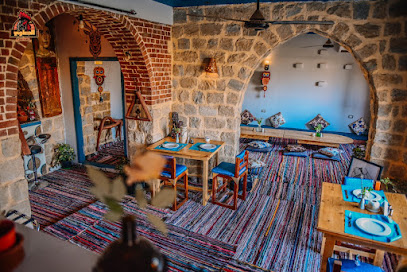
Tunis Cafeteria
47.8 km
Savor authentic Egyptian dishes at Tunis Cafeteria in Faiyum Governorate—where tradition meets taste in every bite.
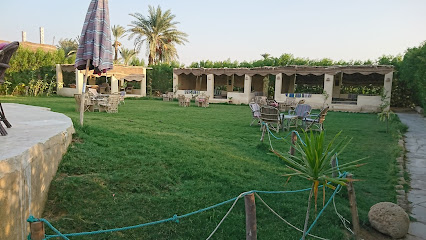
Set El-Beet - ست البيت
47.9 km
Experience authentic Egyptian flavors at Set El-Beet in Faiyum - a delightful culinary retreat near Qaroun Lake.
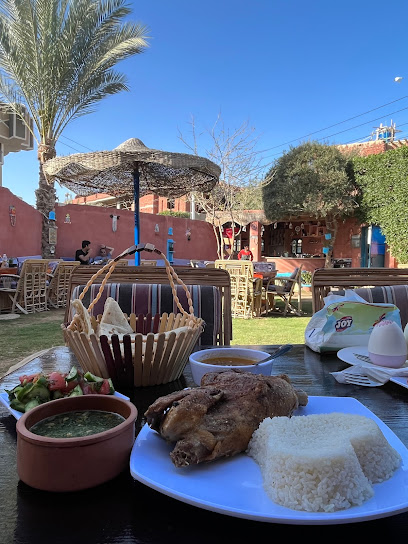
الريان
78.7 km
Experience authentic Egyptian flavors at Al Rayan, a delightful restaurant in Faiyum Governorate perfect for every traveler seeking local cuisine.
Markets, malls and hidden boutiques

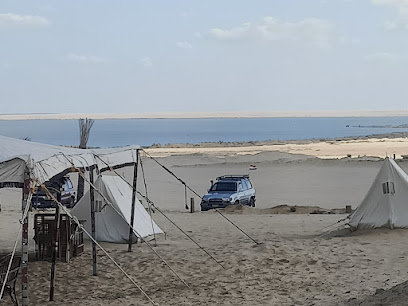
White Desert Camp
38.5 km
Discover the serene beauty of the White Desert Camp in Faiyum, Egypt, where adventure and tranquility meet under the stars.
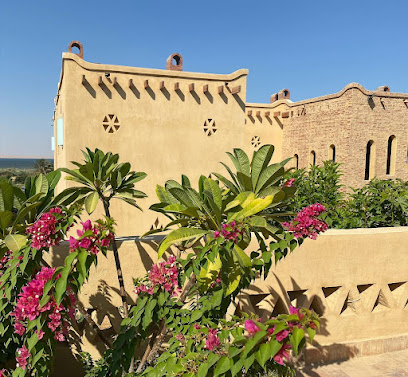
Kom El Dikka Restaurant
47.3 km
Discover the authentic taste of Egypt at Kom El Dikka Restaurant, where organic flavors meet stunning landscapes in Tunis Village.
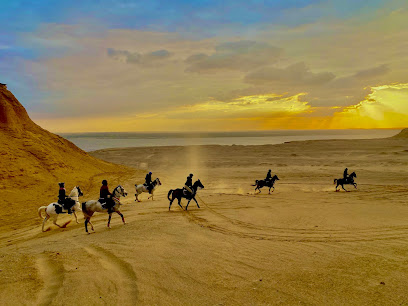
Tunis stable
47.8 km
Discover the beauty of Faiyum on horseback at Tunis Stable, a premier horse rental service in the heart of Egypt's picturesque landscapes.
Fayoum Pottery School
48.1 km
Immerse yourself in the vibrant world of traditional pottery at Fayoum Pottery School, where art and culture converge in Egypt.
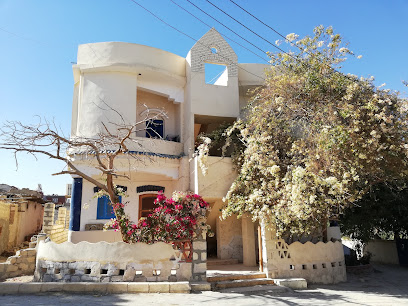
Art House Furniture
59.1 km
Explore the beauty of handcrafted furniture at Art House Furniture, where artistry meets tradition in the heart of Al Shawashna, Egypt.

al-Nazla
61.1 km
Explore the artistry of Egypt at Al-Nazla, a unique pottery store in Faiyum, where tradition and craftsmanship come alive.
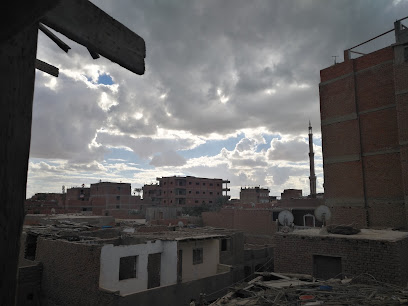
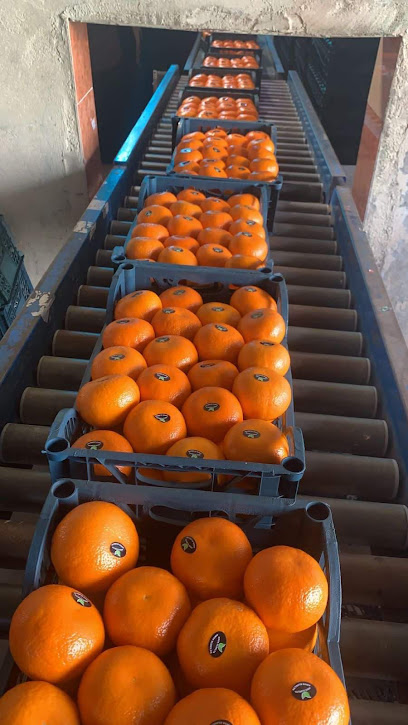
Global Green for export
64.3 km
Explore Global Green in Faiyum, a vibrant hub for cannabis, spices, and food exports, celebrating sustainable trade and local culture.
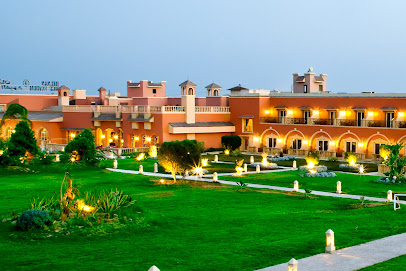
Helnan Auberge Fayoum
75.9 km
Experience luxury and tranquility at Helnan Auberge Fayoum, where stunning landscapes meet rich Egyptian culture in a perfect getaway.
Drake Store - DS
79.0 km
Explore the vibrant Drake Store in Faiyum - a unique shopping destination for locals and tourists alike, offering handmade crafts, souvenirs, and more.
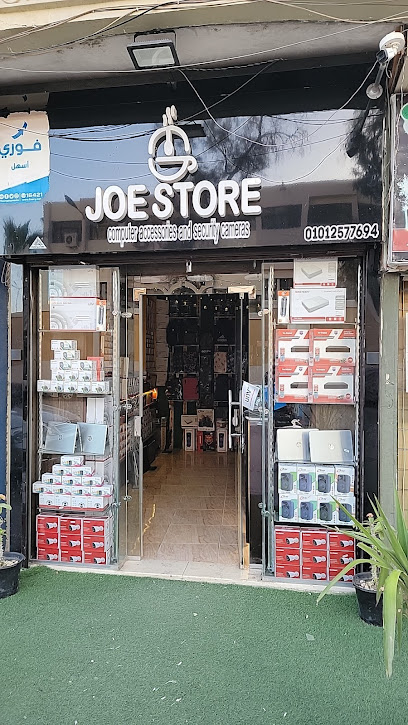
Joe Store
79.4 km
Explore Joe Store in Faiyum for top-quality computer accessories and exceptional service in the heart of Egypt's tech scene.
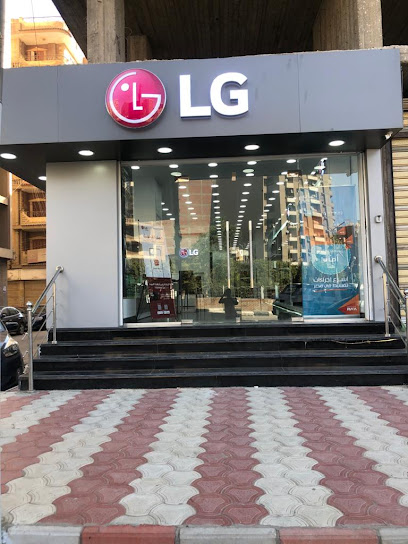
LG Brand Shop - Ahmed Ateya
79.5 km
Explore the LG Brand Shop - Ahmed Ateya in Faiyum for top-notch appliances and exceptional service in a modern shopping environment.
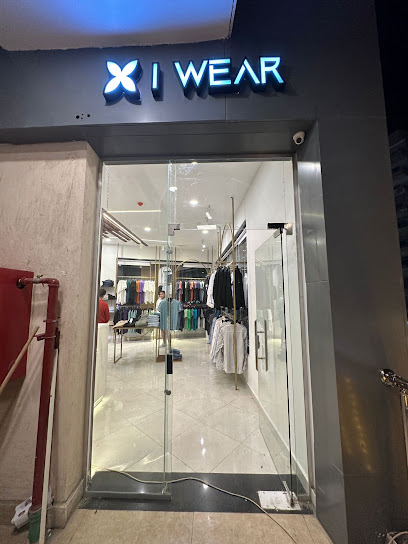
I Wear - Men's Clothes
79.5 km
Explore I Wear, the ultimate men's clothing destination in Faiyum, where fashion meets quality in every stylish piece.
Girly - جيرلي
79.5 km
Discover unique treasures at Girly - جيرلي, your go-to gift shop in Faiyum for authentic souvenirs and local crafts.
Creme
79.5 km
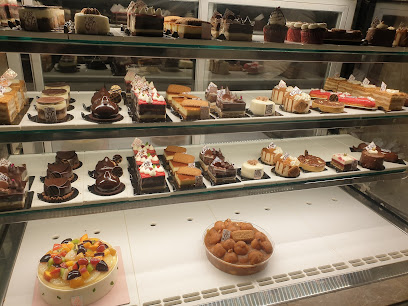
Experience the taste of Faiyum at Creme, a charming bakery offering delectable pastries and a cozy ambiance for all to enjoy.
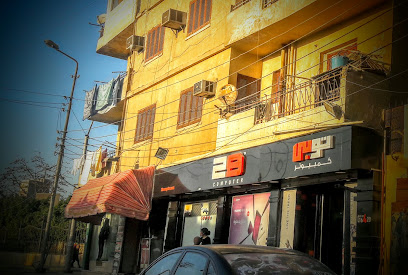
2B Egypt
79.6 km
Discover the best in electronics at 2B Egypt in Faiyum, offering top phones, computers, and accessories for every traveler’s needs.
Essential bars & hidden hideouts

ريست
40.3 km
Experience the essence of nightlife at ريست, a vibrant cocktail bar in Faiyum, blending local flavors with creative mixes.
ريست
40.3 km
Unwind at ريست Cocktail Bar in Faiyum: Exceptional cocktails, vibrant atmosphere, and unforgettable nights await you.
Tunisia Green Resort - منتجع تونيزيا جرين الفيوم
45.9 km
Experience tranquility and adventure at Tunisia Green Resort in Faiyum, where dining meets nature in a stunning getaway.
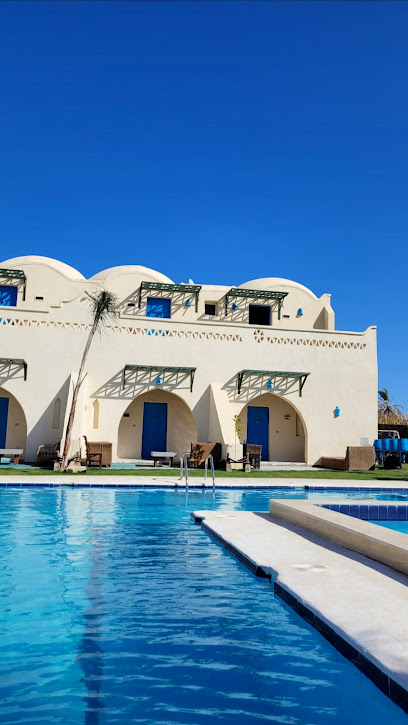
Kom El Dikka Agri Lodge
47.3 km
Discover the beauty of organic living and outdoor adventure at Kom El Dikka Agri Lodge in Tunis Village, Faiyum Governorate.
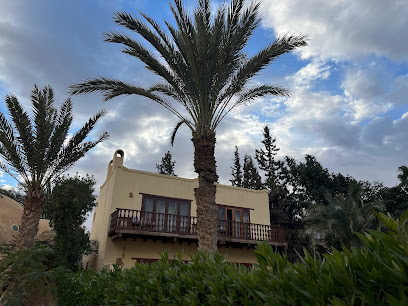
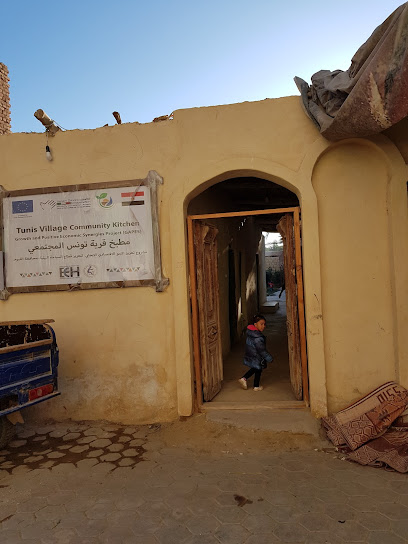
مطبخ قرية تونس ( Tunis village kitchen)
47.8 km
Discover the heart of Egyptian cuisine at Tunis Village Kitchen, where every dish is crafted with love and local flavor.
تونس هاوس - Tunis house
47.8 km
Experience the serene beauty and authentic cuisine at Tunis House, a charming country club in Faiyum, Egypt, perfect for a tranquil getaway.
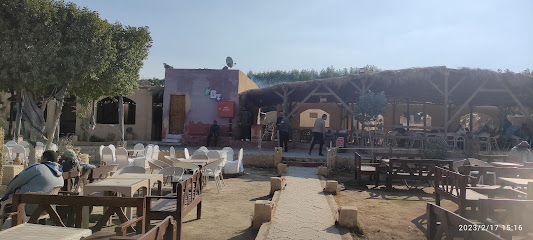
Tunis House - Fayoum
47.8 km
Discover Tunis House in Fayoum: A lakeside restaurant serving authentic Egyptian cuisine amidst stunning views and warm hospitality.
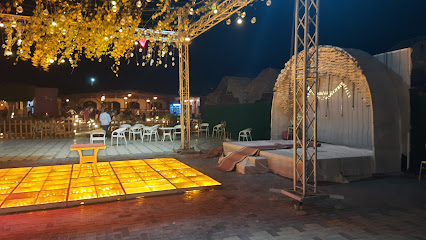
Safari Arabs - Tunis Village
48.0 km
Discover the serene beauty and warm hospitality of Safari Arabs - Tunis Village, a unique retreat by Qarun Lake, Faiyum's hidden gem.
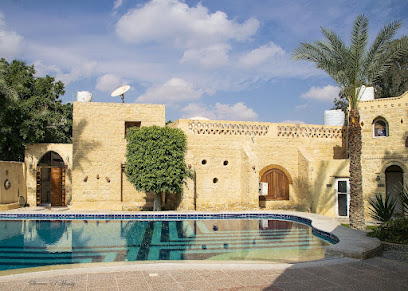
Haduta Tunis - حدوتة تونس
48.1 km
Explore the authentic flavors of Tunisia at Haduta Tunis, a charming restaurant and lodge in the scenic Faiyum Governorate.
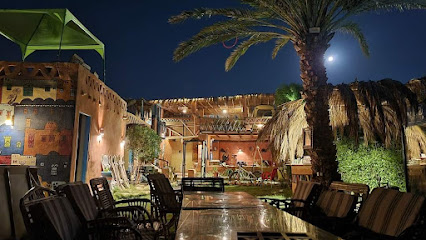
Bahia Restaurant
57.9 km
Experience the rich flavors of Egyptian cuisine at Bahia Restaurant, nestled in the breathtaking Al Faiyum Governorate Desert.
Mefreh 2 Fish Restaurant
70.6 km
Experience the authentic taste of fresh seafood at Mefreh 2 Fish Restaurant in Ibsheway, Faiyum - a culinary gem for every food lover.
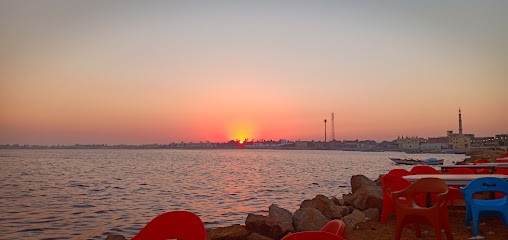
Oasis Resort and Hotel
71.8 km
Discover tranquility and luxury at Oasis Resort and Hotel in Faiyum, Egypt—your ultimate destination for relaxation and adventure.
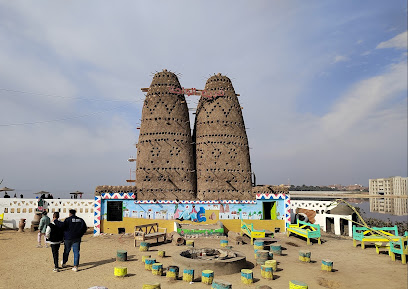
دندرمه . Dondurma
80.7 km
Discover Dondurma in Faiyum, a lively cocktail bar offering refreshing drinks and a perfect ambiance for relaxation and socializing.