Kedarnath Wildlife Sanctuary: A Himalayan Haven
Explore the Himalayan wilderness at Kedarnath Wildlife Sanctuary, a haven for diverse flora, fauna, and spiritual significance in Uttarakhand.
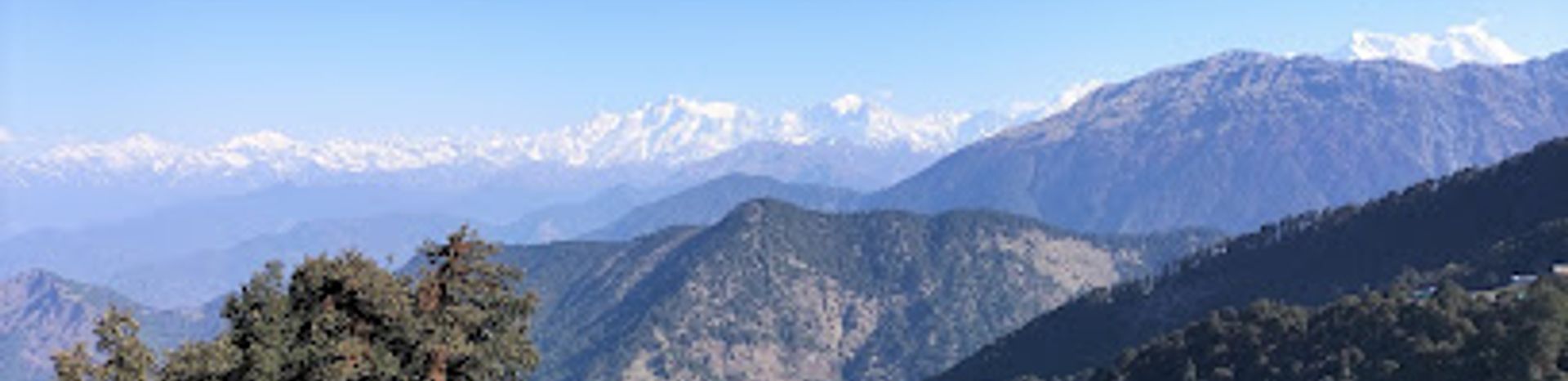
Kedarnath Wildlife Sanctuary, also known as the Kedarnath Musk Deer Sanctuary, is a sprawling protected area in the western Himalayas, Uttarakhand. Established in 1972, it's a biodiverse region known for its stunning landscapes and varied flora and fauna, including the endangered Himalayan musk deer.
A brief summary to Kedarnath Wildlife Sanctuary
- Gopeshwar, Uttarakhand, 246401, IN
- Monday 12 am-12 am
- Tuesday 12 am-12 am
- Wednesday 12 am-12 am
- Thursday 12 am-12 am
- Friday 12 am-12 am
- Saturday 12 am-12 am
- Sunday 12 am-12 am
Local tips
- Obtain necessary permits from the forest department before entering the sanctuary.
- The best time to visit is during April-June and September-November.
- Hire a local guide for a better chance of spotting wildlife and to learn about the local ecosystem.
- Carry warm clothes, even in summer, as temperatures can drop suddenly.
- Respect the local culture and religious sites within the sanctuary.

Getting There
-
Road
To reach Kedarnath Wildlife Sanctuary, start by heading to a major town in Uttarakhand like Rishikesh or Gopeshwar. From Rishikesh, take National Highway 58 towards Chopta, which serves as a gateway to the sanctuary. From Gopeshwar, Chopta is approximately 40 km away. Taxis and buses are available from both Rishikesh and Gopeshwar. From Chopta, you can begin trekking into the sanctuary. Taxi fares from Gopeshwar to Kedarnath Wildlife Sanctuary (Chopta) range from ₹1199 to ₹1635. Bus fares will be significantly lower, but may require more travel time. Entry fees to the sanctuary are INR 150 for Indians and INR 600 for foreigners.
-
Trekking
Many treks begin near or pass through the Kedarnath Wildlife Sanctuary. One popular route is the trek to Kedarnath Temple, which starts from Gaurikund. Another trek is the Rudranath temple trek, which starts from Sagar village, 3 km from Gopeshwar. Treks typically require a permit, which can be obtained from the forest department. Local guides and porters are available for hire. The cost for a local guide ranges from INR 800-1000 per day. Ensure you are physically fit and acclimatized to the altitude before undertaking any treks.
Discover more about Kedarnath Wildlife Sanctuary
Iconic landmarks you can’t miss

Experience The Himalayas
29.3 km
Embark on a breathtaking adventure in the Himalayas with Experience The Himalayas, where nature meets spirituality in stunning landscapes.
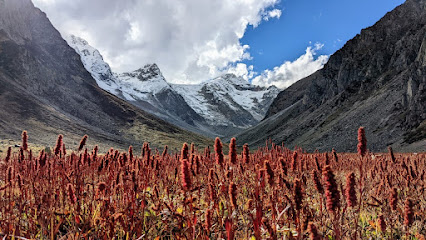
Auli Inn
52.1 km
Experience the charm of the Himalayas at Auli Inn – a serene resort hotel in Joshimath, perfect for adventure and relaxation.
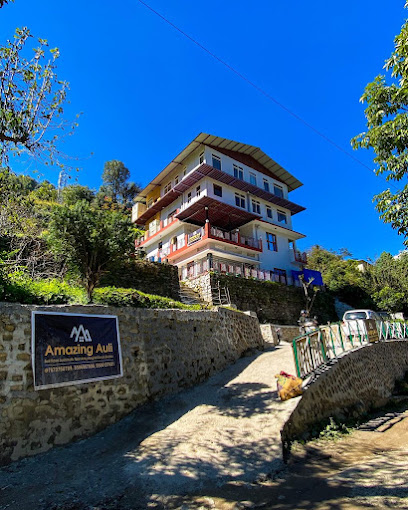
Ski & Snow Cliff Top Club Holiday Resort at Auli, Uttarakhand
52.2 km
Discover the ultimate alpine retreat at Ski & Snow Cliff Top Club Holiday Resort in Auli, Uttarakhand, where luxury meets adventure in the heart of the Himalayas.
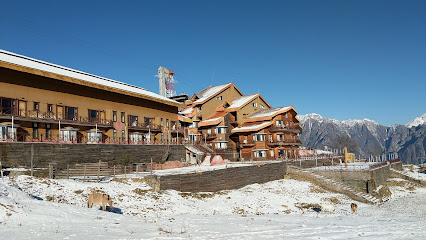
Hotel Manik Resort Auli
53.4 km
Discover the beauty of the Himalayas at Hotel Manik Resort Auli, your serene retreat in the heart of Uttarakhand's majestic mountains.
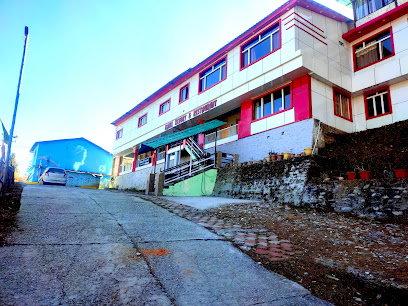
The Royal Village
53.5 km
Experience the enchanting beauty and adventure of The Royal Village in Auli, Uttarakhand, a premier resort hotel for all travelers.

Ski resort GMVN Auli
53.6 km
Discover Auli, a stunning ski resort in the Himalayas, offering thrilling winter sports and breathtaking views of the Nanda Devi peaks for an unforgettable experience.
Ski Resort Auli
53.6 km
Experience the thrill of skiing and the beauty of the Himalayas at Auli Ski Resort, a top destination for winter sports enthusiasts in India.
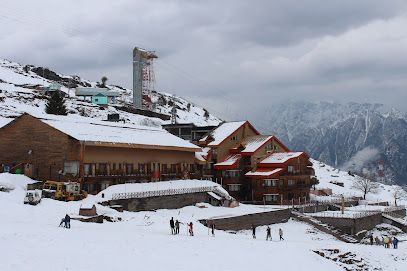
Casa Himalaya, Auli
53.8 km
Discover adventure and tranquility at Casa Himalaya, Auli - a premier ski resort in the heart of Uttarakhand's breathtaking Himalayas.
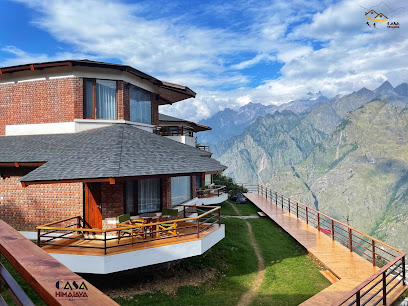
Hotel Auli D - Hotel In Joshimath
53.8 km
Discover comfort and serenity at Hotel Auli D in Joshimath, your perfect base for exploring the Himalayan wonders and sacred sites.
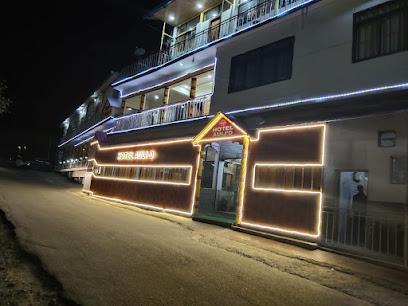
Auli Tourism
54.1 km
Experience the breathtaking beauty and thrilling adventures of Auli, the Snow Paradise of India, nestled in the majestic Himalayas.
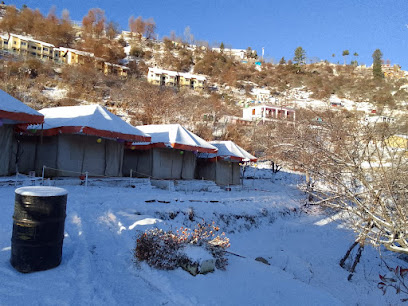
Faraway Cottages, Auli
54.6 km
Discover the tranquil beauty of Faraway Cottages, a perfect retreat in Auli, Uttarakhand, where nature meets comfort.
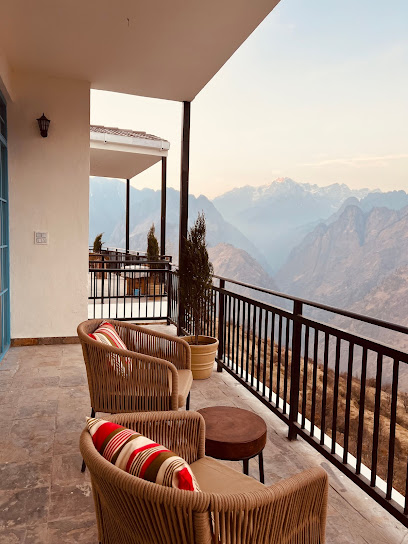
Gorson Bugyal
54.8 km
Discover the breathtaking beauty of Gorson Bugyal, a high-altitude meadow in Uttarakhand, perfect for hiking and experiencing nature's tranquility.
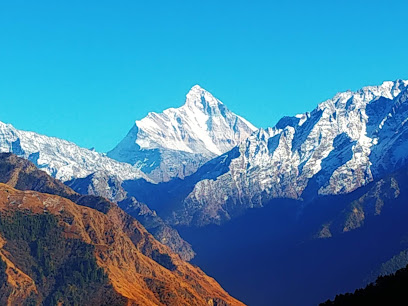
Visit Himalaya
58.6 km
Discover the breathtaking landscapes and rich culture of Visit Himalaya, a serene haven nestled in the heart of Uttarakhand's majestic mountains.
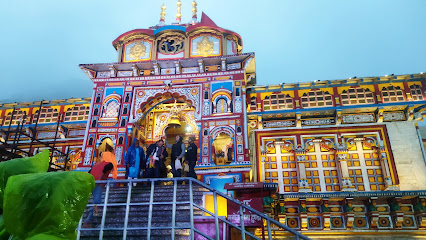
Geographical Society of Central Himalaya
64.1 km
Explore the rich geographical heritage of the Central Himalayas at the Geographical Society of Central Himalaya in Uttarakhand, India.
Nanda Devi National Park
74.8 km
Explore the breathtaking landscapes and rich biodiversity of Nanda Devi National Park, a UNESCO World Heritage Site in the heart of Uttarakhand, India.
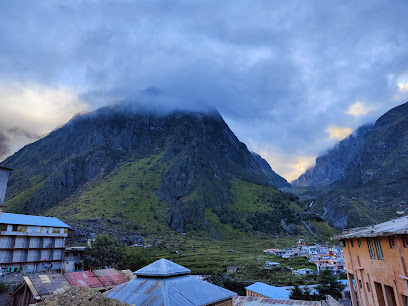
Unmissable attractions to see

Jangle chatti bazar
9.0 km
Experience the vibrant culture and stunning Himalayan views at Jangle Chatti Bazar on the Kedarnath trekking route.
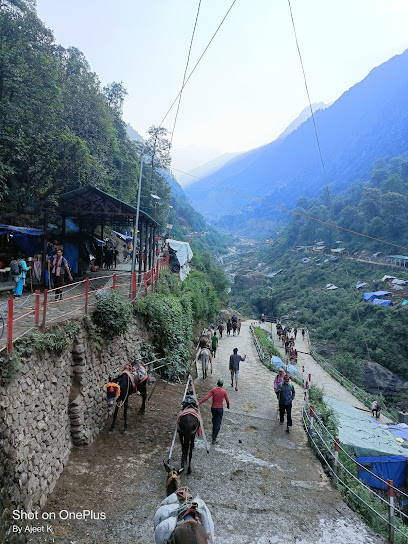
देवली खर्क
12.6 km
Discover the serene beauty of Devli Kharak, a hidden gem in Uttarakhand perfect for nature lovers and adventure seekers alike.
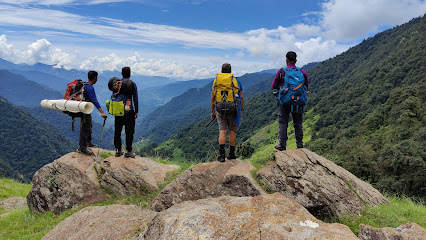
Shri Madmaheshwar Temple
20.0 km
Discover the spiritual beauty of Shri Madmaheshwar Temple in Uttarakhand, a sacred site nestled in the heart of the Himalayas, perfect for reflection and adventure.
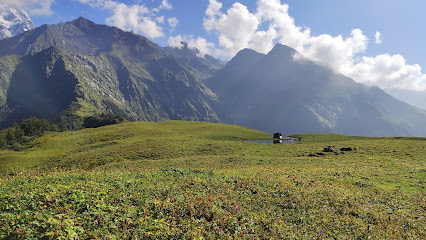
Simhastha water falls
22.1 km
Discover the serene beauty of Simhastha Water Falls in Uttarakhand, a perfect escape for nature lovers and adventure seekers.
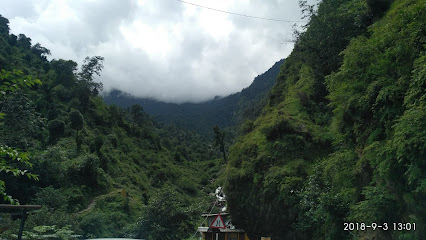
Chandra Parbat
22.7 km
Discover the breathtaking beauty and adventure of Chandra Parbat in Uttarakhand's stunning Himalayas, perfect for trekkers and nature lovers.
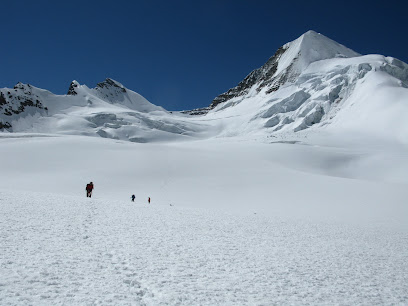
Gangotri National Park
22.7 km
Experience the breathtaking beauty and spiritual significance of Gangotri National Park, a true gem in the heart of Uttarkhand's Himalayas.
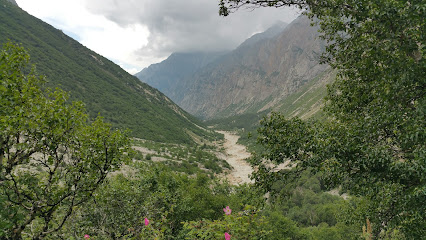
Tingri bugyal
23.4 km
Discover Tingri Bugyal: A breathtaking Himalayan meadow for trekking, camping, and immersing yourself in nature's tranquility near Ukhimath.
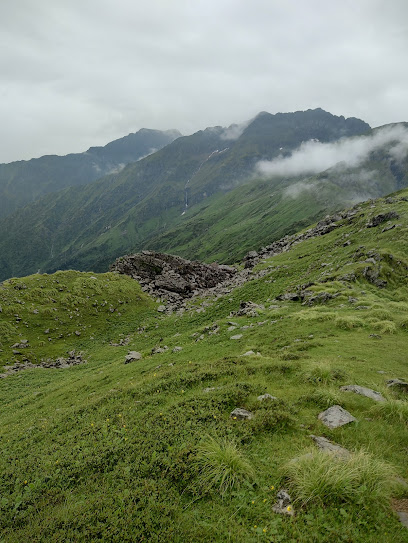
Shiv sarovar
24.9 km
Experience peace and tranquility at Shiv Sarovar, a stunning tourist attraction in Uttarakhand offering breathtaking views and a serene atmosphere for all.
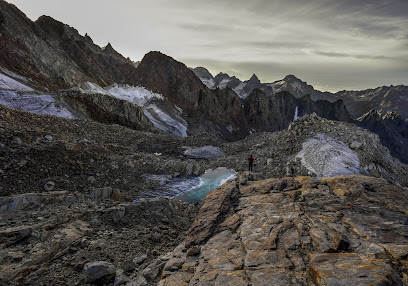
Ukhimath Omkareshwar Temple
26.3 km
Discover Ukhimath's Omkareshwar Temple: The winter home of Kedarnath, steeped in mythology and Himalayan serenity. A spiritual haven awaits.
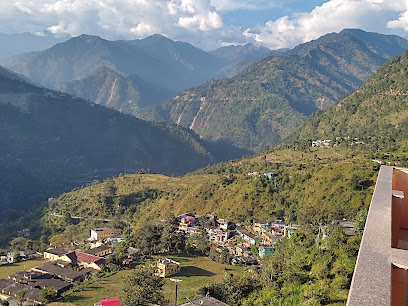
Jhandi Top
26.3 km
Discover the breathtaking views and serene beauty of Jhandi Top, a hidden gem in Uttarakhand offering nature's finest panorama.
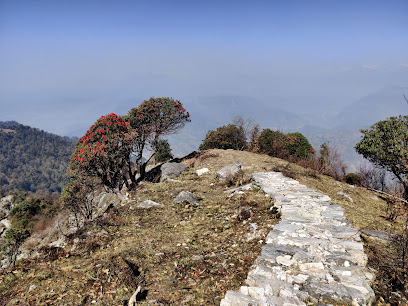
Deoria Tal Trek
26.7 km
Explore the breathtaking beauty of Deoria Tal Trek in Uttarakhand, where serene lakes and majestic mountains create an unforgettable experience.
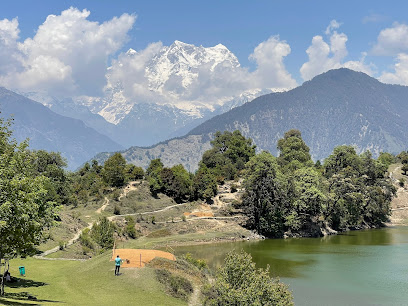
Panwali Kantha ( Bugyal )
27.9 km
Discover the serene beauty of Panwali Kantha Bugyal: A Himalayan trek offering panoramic views and vibrant meadows in Uttarakhand.
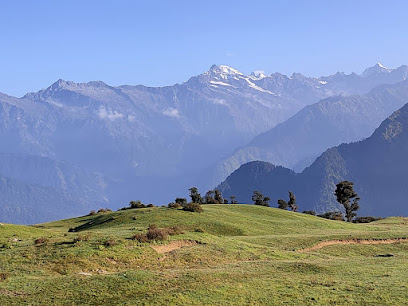
Flowers Valley
28.5 km
Experience the breathtaking beauty of Flowers Valley in Gangotri, a serene retreat surrounded by vibrant flora and majestic mountain views.
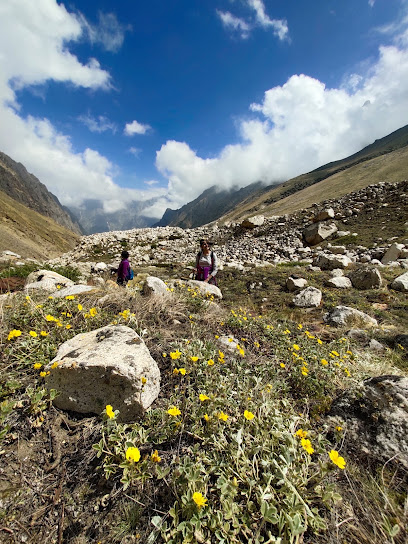
Sam waterfall
30.7 km
Discover the serene beauty of Sam Waterfall in Uttarakhand, a hidden paradise offering tranquility and natural splendor.
Chopta Buzz Eco Camp & Resort
31.1 km
Escape to the Himalayas: Adventure and serenity await at Chopta Buzz Eco Camp & Resort, your gateway to Uttarakhand's natural wonders.
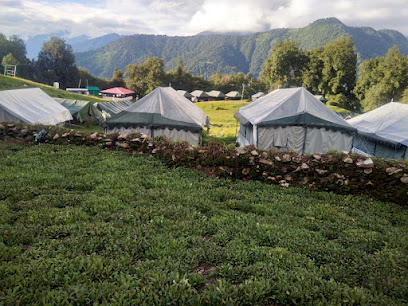
Essential places to dine

Bliss White hotel and restaurant
28.8 km
Discover exquisite dining and serene accommodations at Bliss White Hotel and Restaurant, your perfect getaway in Chopta's breathtaking landscapes.
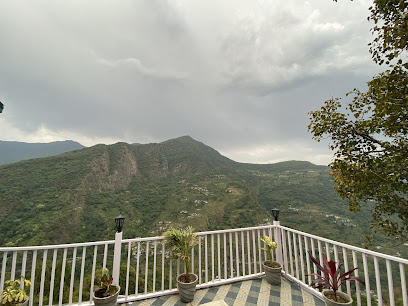
THE MRITYUNJAYA ADVENTURE CAMP's Restaurant
32.1 km
Experience exquisite dining amidst breathtaking landscapes at The Mrityunjaya Adventure Camp's Restaurant in Chopta.
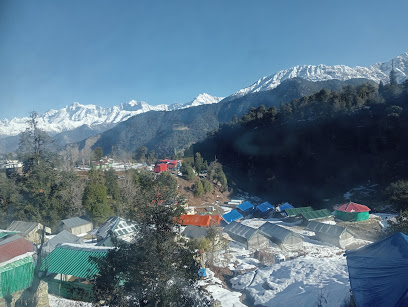
Valley View Hotel Chopta
32.3 km
Savor authentic Indian flavors amidst stunning landscapes at Valley View Hotel Chopta in Uttarakhand.
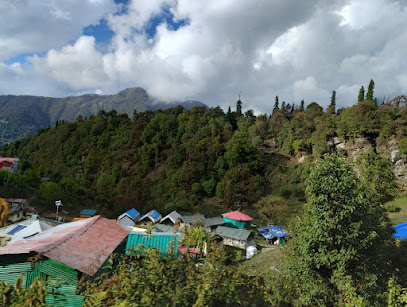
Shri Tungeshwar Rajkamal Hotel And Restaurant Chopta
32.5 km
Savor the flavors of India at Shri Tungeshwar Rajkamal Hotel And Restaurant in Chopta – where culinary delight meets stunning mountain views.
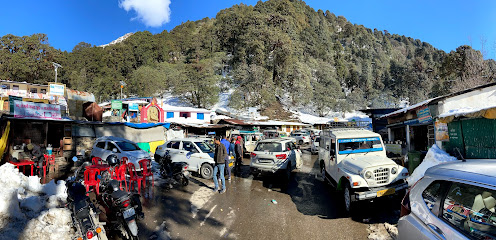
Hotel Deva View Point
38.7 km
Discover breathtaking views and authentic Indian cuisine at Hotel Deva View Point in Uttarakhand's serene landscapes.
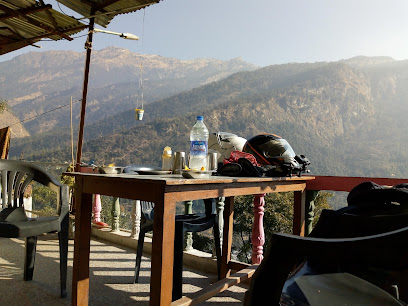
Saket Restaurant
40.9 km
Experience authentic Indian flavors in Badrinath at Saket Restaurant - your perfect dining spot after temple visits.
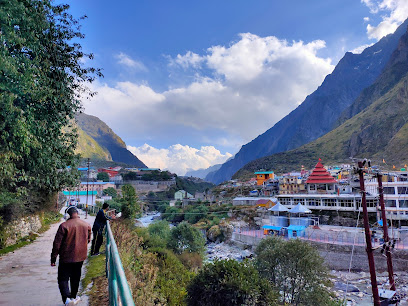
Sardeshwari Restaurant
41.0 km
Experience the best of Indian cuisine at Sardeshwari Restaurant in Badrinath - where tradition meets taste.
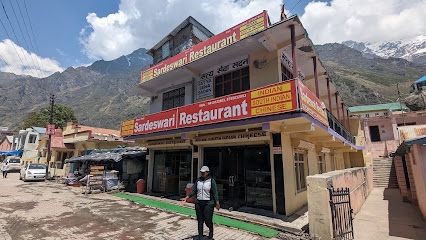
हिलांस रेस्टोरेंट Hilans Restaurent
43.5 km
Experience authentic Himalayan flavors at Hilans Restaurant in Uttarakhand's breathtaking Bhinlgana Range.
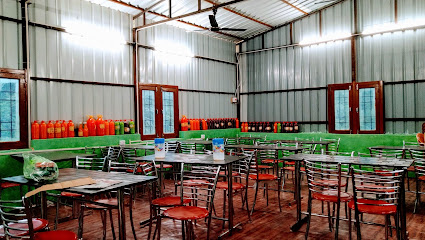
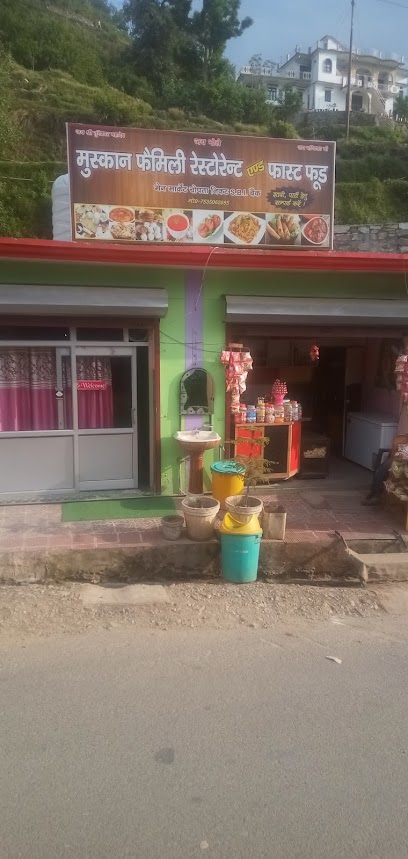
Muskan - A Family Resturant
44.7 km
Discover authentic flavors at Muskan - A Family Restaurant in Chopta, Uttarakhand, where family-friendly dining meets breathtaking mountain views.
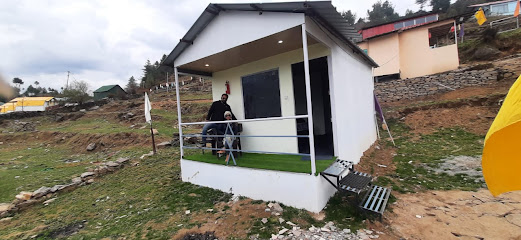
Homestays Akashganga Chopta-Hudu
45.3 km
Discover serene hospitality at Homestays Akashganga in Chopta - your gateway to Uttarakhand's breathtaking landscapes.
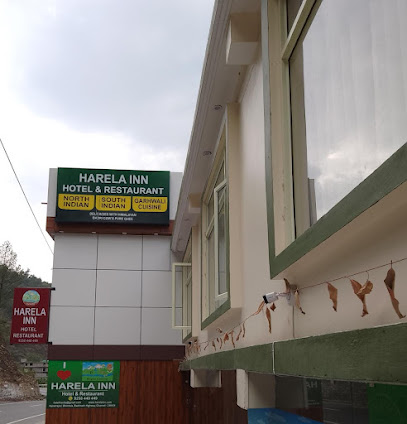
Harela Inn Luxury Hotel Restaurant North & South Indian
47.6 km
Experience exquisite North & South Indian cuisine at Harela Inn Luxury Hotel Restaurant in the heart of Uttarakhand's scenic beauty.
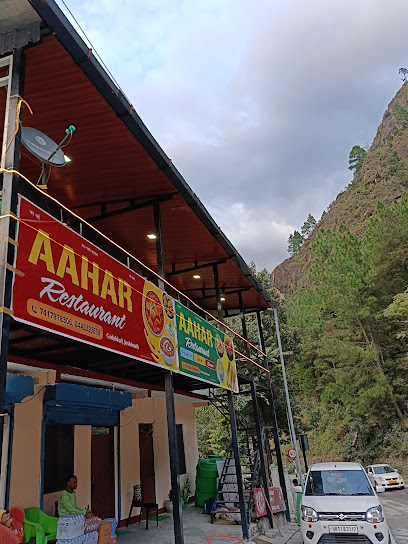
Aahar restaurant
49.0 km
Discover authentic Indian flavors at Aahar Restaurant in Uttarakhand - a culinary delight for every traveler.
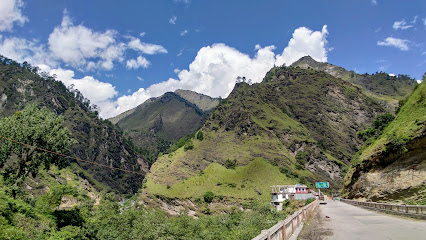
Hotal Triveni & Restaurant
49.4 km
Discover authentic Indian cuisine at Hotal Triveni & Restaurant in Uttarakhand - where every dish tells a story.
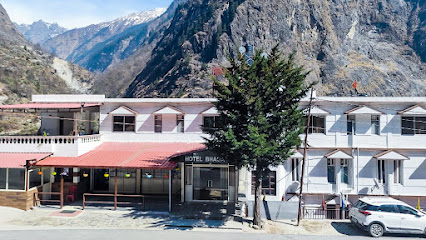
Hotel Bhagat
49.5 km
Discover Hotel Bhagat: A welcoming restaurant and hotel offering delicious meals and cozy accommodations in the heart of Uttarakhand.
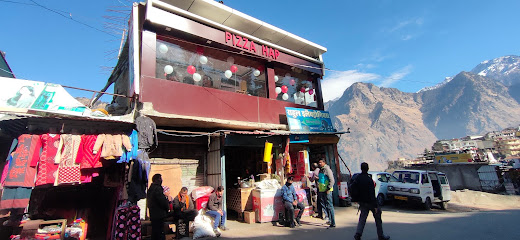
Pizza Hap
52.0 km
Experience mouthwatering pizzas made with fresh local ingredients at Pizza Hap in Joshimath - a must-visit for every traveler.
Markets, malls and hidden boutiques

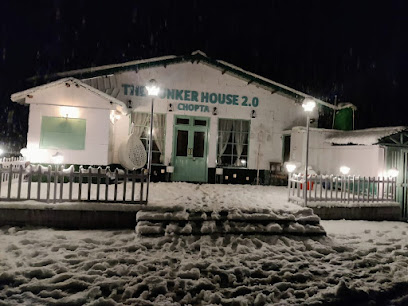
The Bunker House cafe & stay
29.8 km
Discover serene beauty and cozy comfort at The Bunker House, your perfect retreat in the heart of Chopta, Uttarakhand.
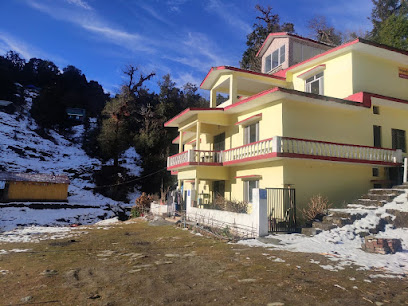
Meraki Chopta Mayadeep
31.5 km
Experience the serene beauty of Chopta at Meraki Chopta Mayadeep, your perfect retreat in the Himalayan foothills.
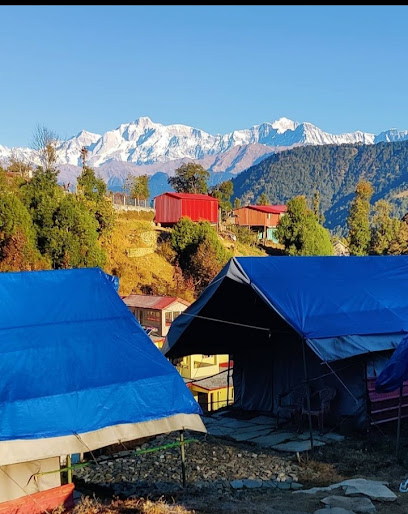
Chopta Swiss camp
31.6 km
Experience the beauty of Uttarakhand at Chopta Swiss Camp, where adventure meets comfort in the heart of the Himalayas.
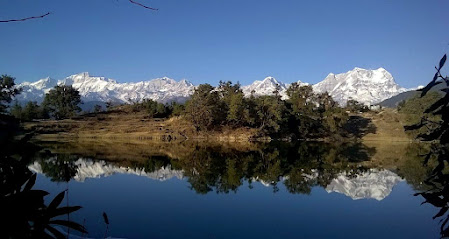
Chopta Tour
32.2 km
Explore Chopta, the enchanting hill station in Uttarakhand, known for its stunning landscapes and adventurous trekking routes.
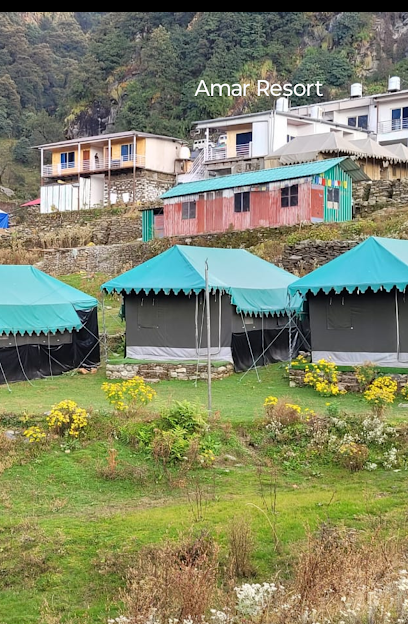
CHOPTA The Mini Switzerland AMAR RESORT
33.7 km
Explore Chopta, the enchanting Mini Switzerland of India, where pristine landscapes meet adventure and tranquility in the heart of Uttarakhand.
Himrab Chopta Resort
33.7 km
Experience the tranquility and scenic beauty of Himrab Chopta Resort, your gateway to adventure in the heart of Uttarakhand.
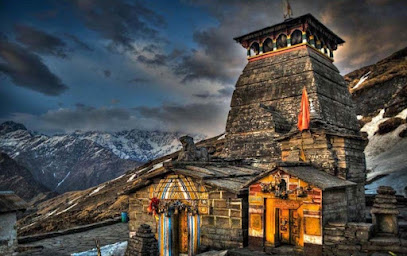
GAYATRI EMPORIUM
40.4 km
Explore Gayatri Emporium: Your Gateway to Unique Hardware and Local Craftsmanship in the Heart of Uttarakhand.
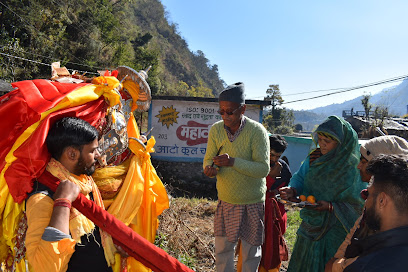
Khampa Woollen Garments
40.9 km
Experience the rich heritage of Uttarakhand at Khampa Woollen Garments, where traditional craftsmanship meets modern shopping.
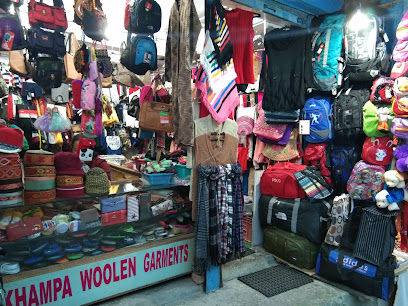
Himalaya Coffee Centre
41.2 km
Experience the tranquil charm of Himalaya Coffee Centre, where aromatic brews meet breathtaking Himalayan views.
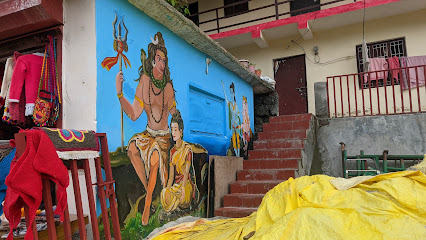
Chandan Coffee Centre Maana
41.3 km
Discover the charm of Chandan Coffee Centre Maana, where exquisite coffee meets breathtaking Himalayan views in a cozy atmosphere.
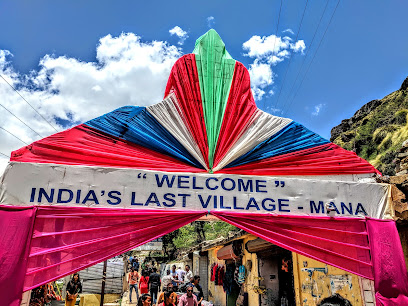
Chopta Market
44.7 km
Explore the vibrant Chopta Market in Uttarakhand, where local culture, handicrafts, and delicious street food come together in a picturesque setting.
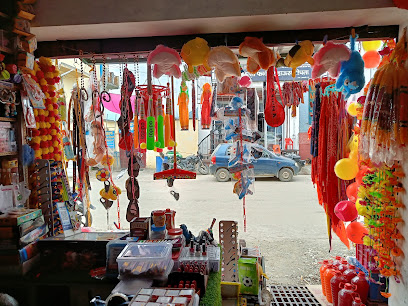
Shatrughan Jewellers
45.0 km
Explore the exquisite craftsmanship at Shatrughan Jewellers in Chopta, Uttarakhand - your destination for unique, handcrafted jewelry.
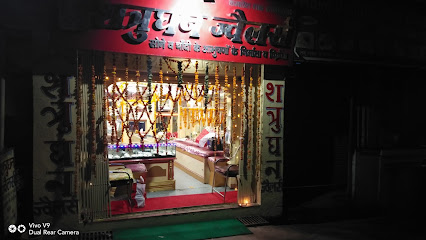
chauhan gift and toys center
45.0 km
Discover unique gifts and toys at Chauhan Gift and Toys Center in Gopeshwar, Uttarakhand, capturing the essence of your travels.
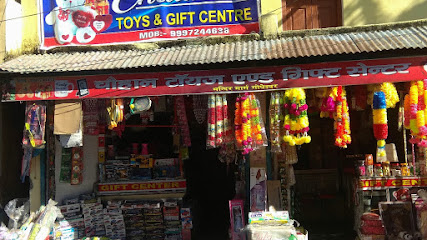
Mansuri Cotton Works
45.1 km
Discover the essence of Uttarakhand at Mansuri Cotton Works, where traditional craftsmanship meets modern fashion in a charming setting.
Negi General Store
45.1 km
Discover local flavors and essentials at Negi General Store, a charming hub in Gopeshwar, Uttarakhand, perfect for travelers seeking authentic experiences.
Essential bars & hidden hideouts

Rajneesh Kumar
2.1 km
Discover the tranquil vibes and local flavors at Rajneesh Kumar Bar, a perfect retreat in the heart of Kedarnath's stunning landscapes.
The Pines Resort
23.4 km
Experience the serene beauty of Uttarakhand at The Pines Resort, a perfect destination for relaxation and adventure with stunning views and exquisite dining.
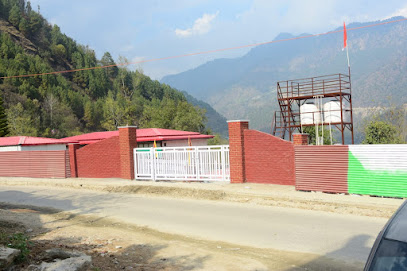
Devdarshan hotel & restaurant
26.4 km
Experience the charm of Uttarakhand at Devdarshan Hotel & Restaurant, where exceptional cuisine meets breathtaking natural beauty.
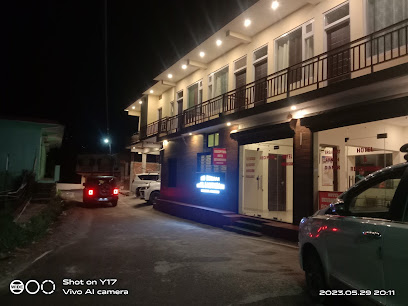
Lake Haven Resort, Sari, Chopta
27.1 km
Discover tranquility at Lake Haven Resort in Sari, Chopta, a perfect blend of nature and comfort amidst the stunning landscapes of Uttarakhand.
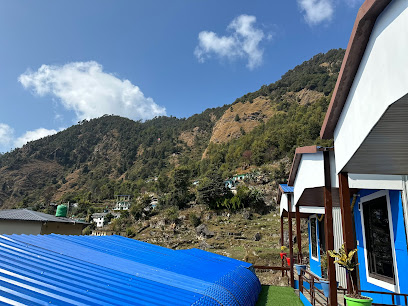
Humming Bird By Aaryam
28.8 km
Discover the serene beauty of Chopta at Humming Bird By Aaryam, a family-friendly resort hotel and restaurant offering comfort, nature, and delicious cuisine.
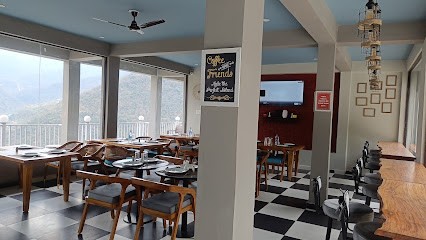
Poonia
29.3 km
Discover Poonia in Gangotri, a serene bar offering stunning mountain views, perfect for relaxation and socializing after a day of adventure.
Chopta House Hotel and Restaurant
29.8 km
Discover the authentic flavors of Uttarakhand at Chopta House, a culinary gem nestled in the picturesque mountains, perfect for every traveler.
Hill top heaven tourist lodge & restaurant
31.1 km
Discover the flavors of Uttarakhand at Hill Top Heaven, where breathtaking views meet exceptional cuisine in a tranquil setting.
Chopta Meadows Heritage Camps
31.9 km
Discover the perfect blend of adventure and serenity at Chopta Meadows Heritage Camps in the breathtaking landscapes of Uttarakhand.
Chopta Resort, Chopta Uttarakhand
32.1 km
Discover the tranquil beauty and adventure-packed experiences at Chopta Resort in Uttarakhand, a perfect getaway for nature lovers and thrill-seekers.
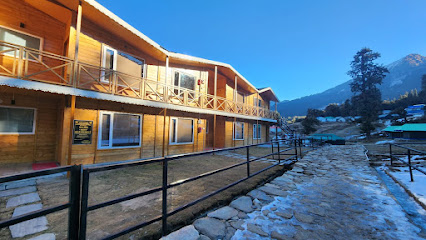
The Meadows Chopta
32.1 km
Experience the enchanting beauty of The Meadows Chopta, a perfect blend of adventure and relaxation in the heart of Uttarakhand.
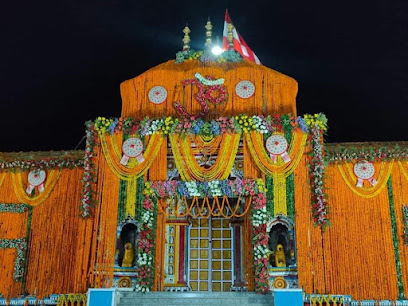
खीरा बीरा
33.9 km
Experience the vibrant nightlife at खीरा बीरा in Beron, Uttarakhand, where local flavors and lively ambiance come together.
Mishra Restaurant
41.1 km
Experience authentic Indian cuisine at Mishra Restaurant, an essential stop for travelers in the sacred town of Badrinath.
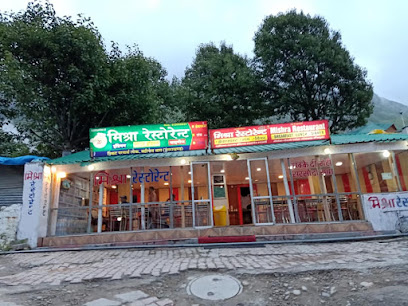
Braham Kamal Restaurant
41.2 km
Discover the flavors of Uttarakhand at Braham Kamal Restaurant, a family-friendly dining gem in the heart of Badrinath.
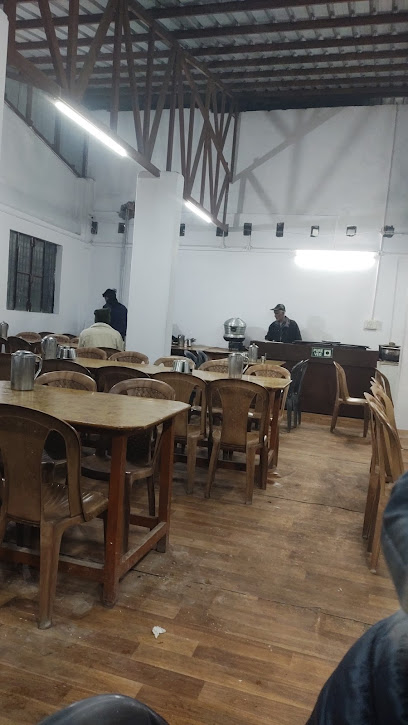
Vankatesh
41.3 km
Discover the flavors of Uttarakhand at Vankatesh, a top-rated restaurant in Badrinath offering a delightful range of Indian cuisine.