
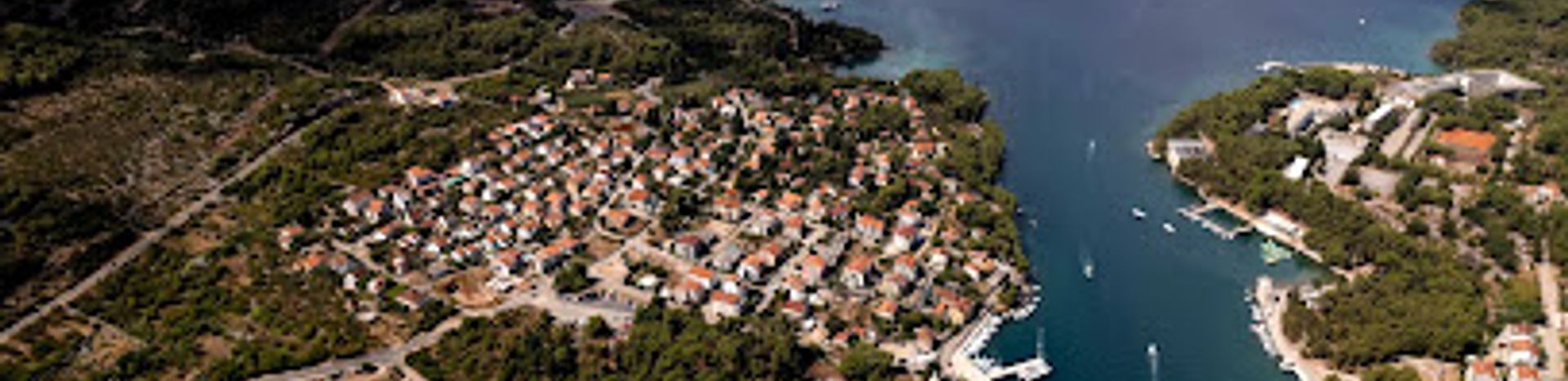
Stari Grad Plain: A Timeless Agricultural Landscape
Explore Croatia's Stari Grad Plain: a UNESCO-listed ancient Greek agricultural landscape with vineyards, olive groves, and timeless charm.
The Stari Grad Plain, a UNESCO World Heritage site on the island of Hvar, Croatia, is an agricultural landscape dating back to the 4th century BC. Colonized by the Greeks, its original layout of geometrically divided plots separated by dry stone walls remains remarkably intact and still in use today, primarily for grapes and olives.
A brief summary to Stari Grad Plain
- Stari grad bb, Stari Grad, 21460, HR
- +38521765763
- Visit website
Local tips
- Rent a bike to explore the extensive network of flat trails that wind through the Stari Grad Plain.
- Visit local wineries and farms for olive oil and wine tastings, connecting with the island's agricultural traditions.
- Walk or cycle along the coastal road between Vrboska and Jelsa for swimming spots with clear waters.
- Look for the 'trimovi' (small stone shelters) scattered across the plain, remnants of ancient agricultural practices.

Getting There
-
Walking
From Stari Grad town center, the Stari Grad Plain is easily accessible on foot. Walking south from the town square, you'll quickly enter the agricultural area. The plain extends for several kilometers, so choose a direction and explore the grid-like pattern of fields and stone walls. There are no entrance fees or specific costs associated with walking on the plain.
-
Public Transport
To reach the Stari Grad Plain from the Stari Grad ferry port, you can take a local bus towards Jelsa or Vrboska. These buses traverse the plain, offering access to different points of interest. The bus stop is located near the ferry terminal. A single ticket costs approximately €2-4. Alternatively, a taxi from the ferry port to a specific location on the plain will cost around €15-€20.
-
Bicycle
Renting a bicycle in Stari Grad is a popular way to explore the plain. Several rental shops are located in the town center. From there, cycle south into the plain, following the marked cycling routes. A full-day bicycle rental typically costs between €10-€15. This allows you to explore the extensive network of paths and visit different parts of the agricultural landscape.


