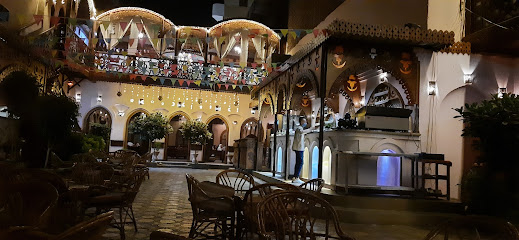
Colossi of Memnon: Guardians of Ancient Thebes
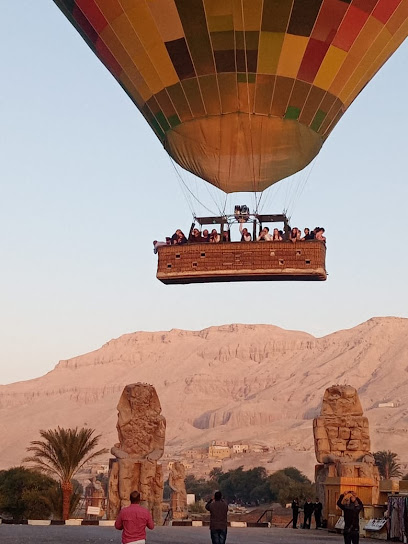
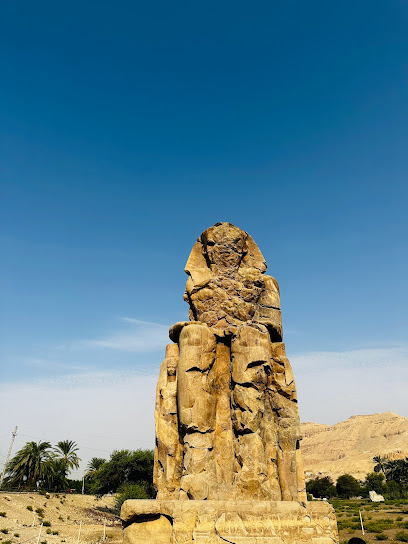
Towering statues of Pharaoh Amenhotep III, guarding the gateway to ancient Egypt's glorious past on Luxor's West Bank. A must-see landmark!
The Colossi of Memnon are two massive stone statues of Pharaoh Amenhotep III, standing tall on the West Bank of Luxor. These iconic monuments, dating back to 1350 BCE, once guarded the entrance to Amenhotep III's mortuary temple, a complex that has mostly vanished over time.
A brief summary to Colossi of Memnon
- مدينة طيبة القديمة، ومقبرتها, Luxor, Al Qarnah, Luxor Governorate, 85954, EG
- +201000584300
- Visit website
Local tips
- Visit early in the morning or late in the afternoon to avoid the midday heat and crowds.
- Wear sunscreen, a hat, and comfortable shoes, as there is little shade.
- Bring water to stay hydrated, especially during the hotter months.
- Combine your visit with other West Bank attractions like the Valley of the Kings and the Temple of Hatshepsut.
- Take plenty of photos to capture the grandeur of these ancient monuments.

Getting There
-
Taxi
From Luxor city center on the East Bank, a taxi is a convenient way to reach the Colossi of Memnon. Taxis are readily available throughout Luxor. Negotiate the fare before starting your journey. A typical taxi ride from Luxor city center to the Colossi of Memnon takes approximately 15-35 minutes and costs around 50-100 EGP. Be aware that prices can vary, so bargaining is essential.
-
Ferry and Taxi
For a more local experience, take the public ferry from the East Bank to the West Bank. The ferry dock is near the Luxor Temple. The ferry costs approximately 5 EGP per person and the journey takes 5-10 minutes. Upon arrival on the West Bank, hire a taxi to the Colossi of Memnon. Negotiate the taxi fare in advance, which should be around 50-100 EGP. This option combines a scenic river crossing with a short taxi ride to the site.
Discover more about Colossi of Memnon
Iconic landmarks you can’t miss

Temple of Thoth (Qasr El-Aguz)
1.1 km
Explore the Temple of Thoth (Qasr El-Aguz) in Luxor, a tribute to the Egyptian god of wisdom, showcasing remarkable architecture and ancient artistry.
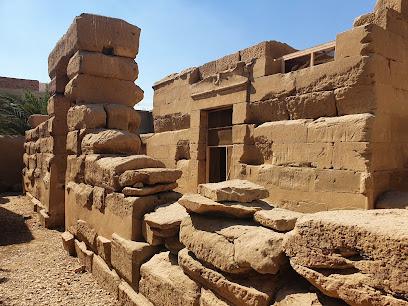
KV17 - Tomb of Seti I
2.3 km
Explore the Tomb of Seti I in the Valley of the Kings, a breathtaking testament to ancient Egyptian artistry and burial traditions.
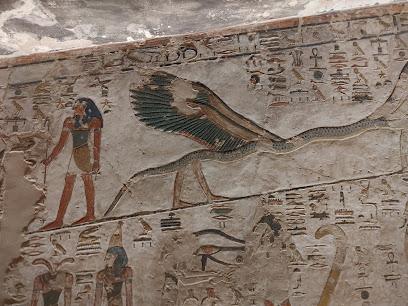
West Bank Private Transport Luxor
2.4 km
Explore Luxor's West Bank in comfort: private car service to ancient wonders, reliable and highly-rated transportation.
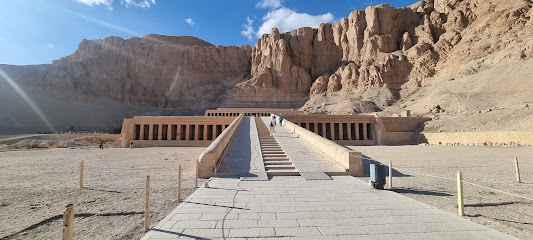
El-Gezira Hotel & Restaurant
2.8 km
Experience tranquility on Luxor's West Bank with Nile views, delicious cuisine, and live music at El-Gezira Hotel & Restaurant.
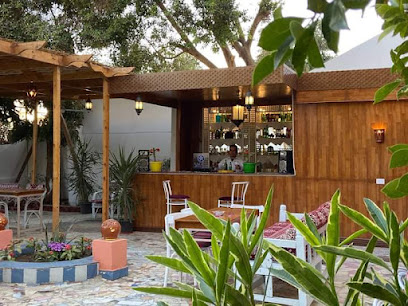
Tomb of Ay (WV 23)
3.0 km
Explore the Tomb of Ay (WV 23) in Luxor's West Valley: Discover unique art and ancient history in this rarely visited royal burial site.
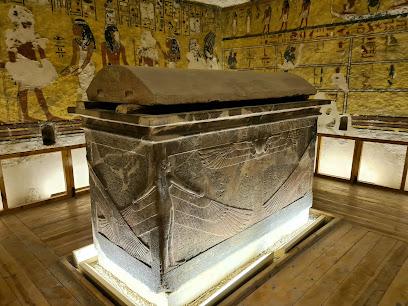
Luxor Nile Ferry - West Bank
3.1 km
Cross the Nile and journey back in time! The Luxor Nile Ferry offers an affordable and scenic gateway to the West Bank's ancient wonders.
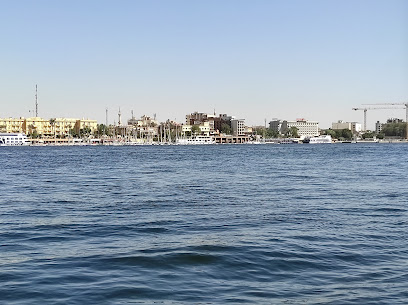
Luxor day tour to East & West Banks
3.1 km
Discover the wonders of Luxor's West Bank: Valley of the Kings, Hatshepsut Temple, and Colossi of Memnon. A journey through ancient Egyptian history.
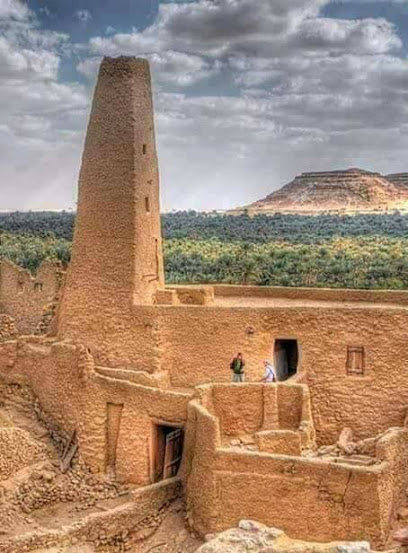
Ancient Luxor Quay
3.6 km
Explore Ancient Luxor Quay: a historical landmark on the Nile, offering stunning views, cultural experiences, and access to Luxor's famous attractions.
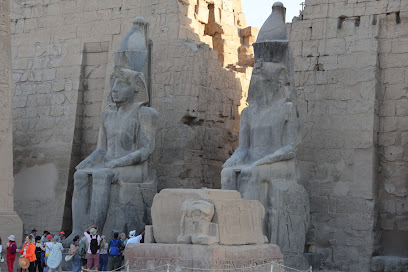
NBE ATM - Sofitel Winter Palace Hotel 1 Luxor - فندق سوفتيل 1 الأقصر
3.6 km
Conveniently located at the Sofitel Winter Palace Hotel, NBE ATM provides 24/7 access to cash for tourists exploring the historical treasures of Luxor.

Alexbank
3.7 km
Experience the convenience of Alexbank in Luxor, your essential stop for financial services amidst the treasures of ancient Egypt.
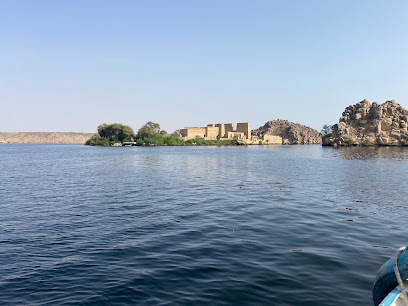
البنك الأهلي المصري فرع الاقصر
3.7 km
Discover convenience at the Egyptian National Bank in Luxor, the essential stop for travelers needing reliable banking services while exploring ancient Egypt.
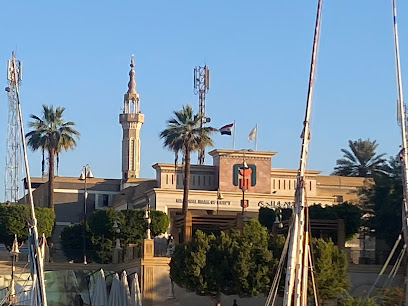
Luxor Sign
3.8 km
Discover Luxor's ancient wonders! The Luxor Sign: Your gateway to pharaohs, temples, and timeless Egyptian history and culture.
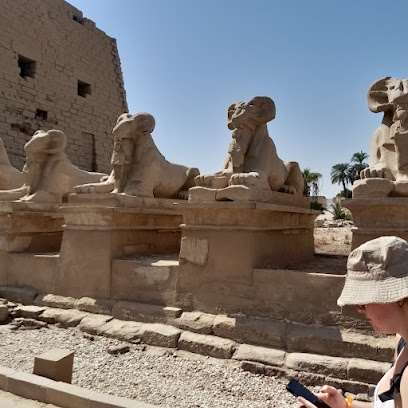
ميدان أبوالحجاج
3.9 km
Experience the vibrant heart of Luxor at Abu al-Haggag Square, where history, culture, and local life intertwine in a captivating Egyptian experience.
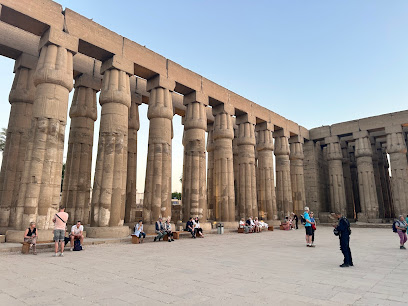
El - Souk
3.9 km
Experience the vibrant culture of Luxor at El-Souk: a traditional market offering crafts, spices, and a taste of Egyptian life.
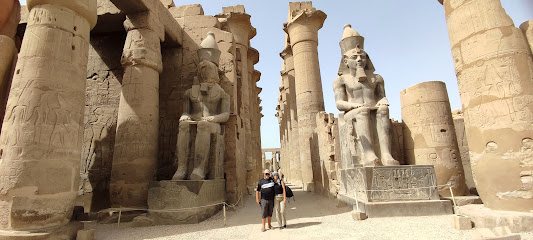
The Sphinx Avenue
4.1 km
Walk the path of pharaohs on Luxor's Sphinx Avenue, connecting Karnak and Luxor Temples through a stunning display of ancient artistry.
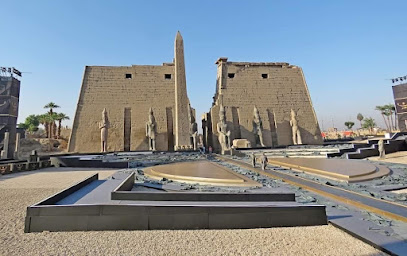
Unmissable attractions to see

Amenhotep III Sun Temple
0.2 km
Discover the ancient grandeur of the Amenhotep III Sun Temple in Luxor, a stunning testament to Egypt's rich history and architectural brilliance.
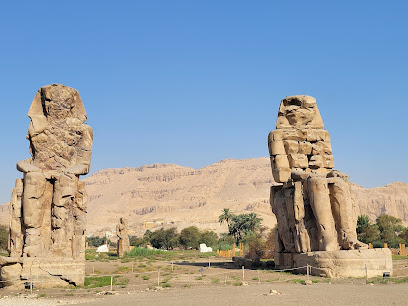
Ramesseum
0.8 km
Explore the Ramesseum, a stunning historical site in Luxor, showcasing the grandeur of ancient Egyptian architecture and rich cultural heritage.
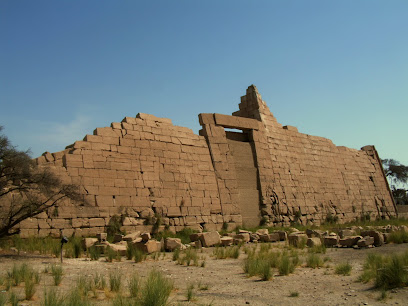
Temple d'Amon (Médinet Habou)
1.0 km
Discover the awe-inspiring Temple d'Amon in Luxor, Egypt, a historical landmark showcasing the grandeur of ancient Egyptian architecture and spirituality.
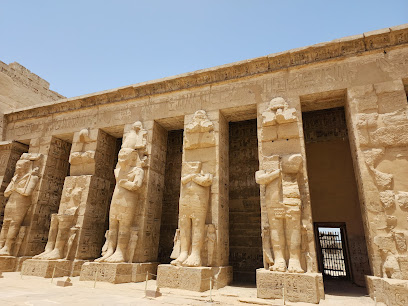
Mortuary Temple of Thutmose III
1.1 km
Discover the grandeur of ancient Egypt at the Mortuary Temple of Thutmose III, a historical landmark in Luxor showcasing magnificent architecture and rich history.
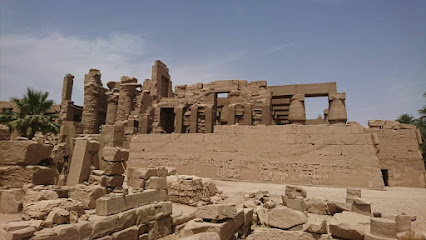
Tombs of the Nobles
1.2 km
Explore the Tombs of the Nobles in Luxor, Egypt - an ancient burial site rich in history and stunning artistry, perfect for history lovers and curious explorers.
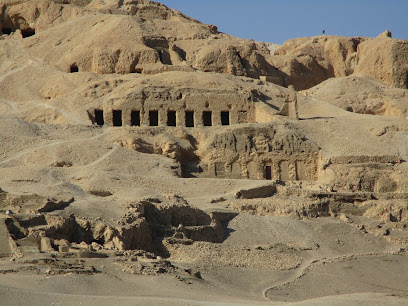
Tomb of Ramose TT55
1.2 km
Explore the Tomb of Ramose TT55, a stunning example of ancient Egyptian artistry and history in the heart of Luxor.
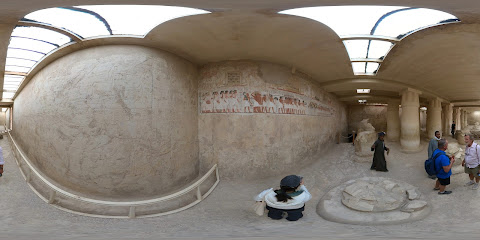
Deir el-Medina
1.2 km
Discover Deir el-Medina, the ancient village of artisans, a UNESCO World Heritage site showcasing the life and work of Ancient Egyptian craftsmen.
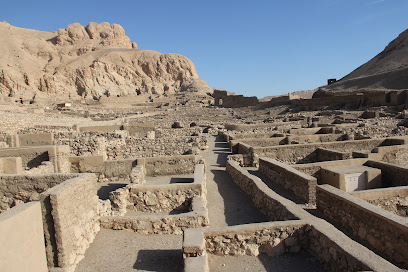
Temple of Deir el-Medina
1.3 km
Discover the enchanting Temple of Deir el-Medina, an ancient village that showcases the artistry and lives of Egypt's skilled craftsmen.
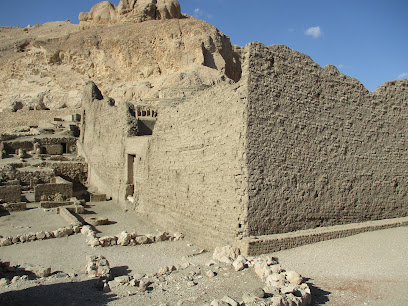
Tumba TT100 de Rekhmire
1.3 km
Experience the glory of ancient Egypt at Tumba TT100 de Rekhmire, where history comes alive through stunning wall art and hieroglyphics.
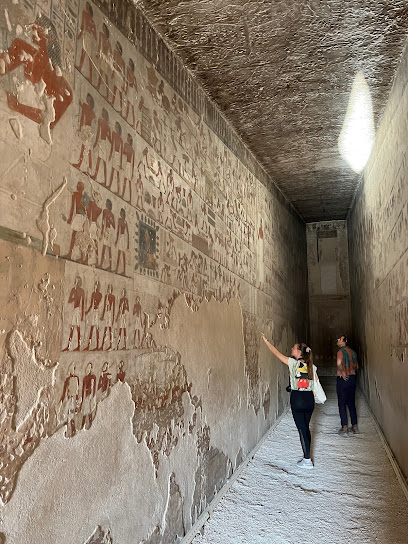
Tomb Of Inherkha
1.3 km
Explore the Tomb of Inherkha in Al Qarna, a remarkable historical landmark showcasing the artistry and beliefs of ancient Egyptian civilization.
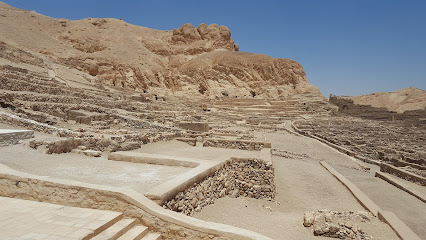
TT1 - Tomb of Sennedjem
1.3 km
Explore the Tomb of Sennedjem in Luxor, a historical landmark showcasing the artistry of ancient Egypt with stunning frescoes and rich cultural history.
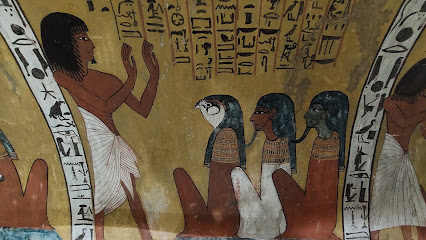
TT96 - Tomb of Sennefer
1.3 km
Discover the Tomb of Sennefer: An ancient Egyptian treasure showcasing stunning frescoes and rich history in the New Valley Governorate.
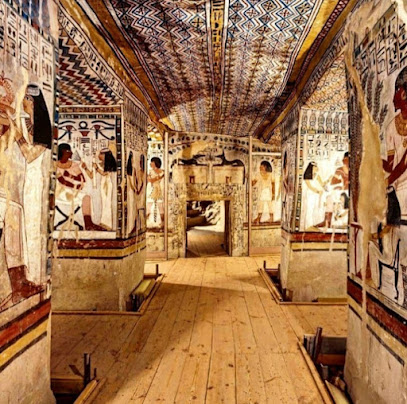
Take-Off Hot Air Balloons
1.5 km
Experience the breathtaking beauty of Luxor from above with Take-Off Hot Air Balloons, witnessing ancient wonders in a serene and unforgettable adventure.
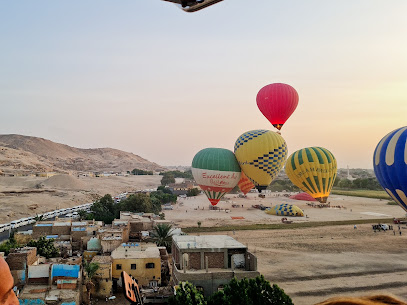
Hot Air Balloon Location
1.6 km
Experience Luxor like never before with breathtaking hot air balloon rides over ancient temples and the Nile's stunning landscapes.
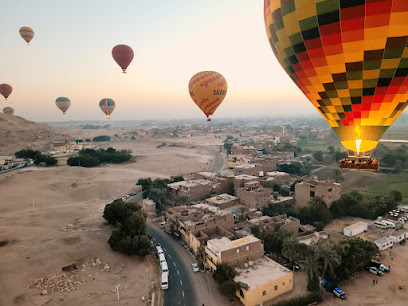
Hot air balloon Luxor Take Off Site
1.6 km
Experience the breathtaking views of Luxor's ancient wonders with a hot air balloon ride over the iconic Nile River and historical sites.
Essential places to dine

Memnon Guesthouse, Restaurant & Cafe
0.0 km
Experience authentic Egyptian cuisine at Memnon Guesthouse Restaurant & Cafe in Luxor – where every meal tells a story.
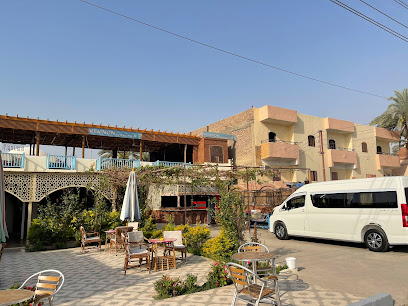
Saray El Nile Restaurant مطعم سرايا النيل
0.1 km
Experience authentic Egyptian cuisine with stunning views at Saray El Nile Restaurant near Luxor's historic Colossi of Memnon.
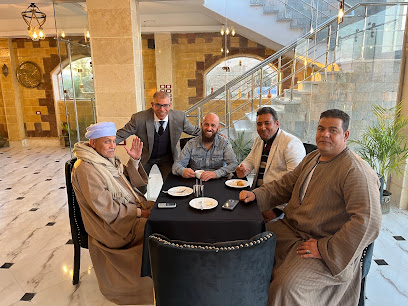
Restaurant Paris
0.5 km
Discover authentic Egyptian cuisine at Restaurant Paris in Luxor - where tradition meets flavor in an unforgettable dining experience.
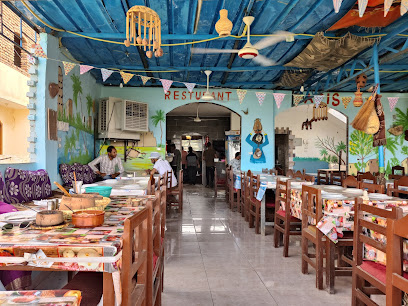
Habou Garden
0.9 km
Experience serene dining in Luxor's enchanting garden at Habou Garden - where delicious local cuisine meets tranquil surroundings.
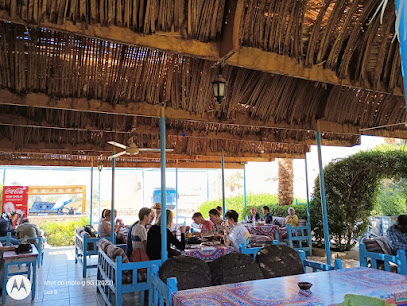
Thebes Restaurant (Tebaa)
1.6 km
Experience authentic Egyptian cuisine at Thebes Restaurant in Luxor - a family-friendly haven with warm hospitality and stunning views.
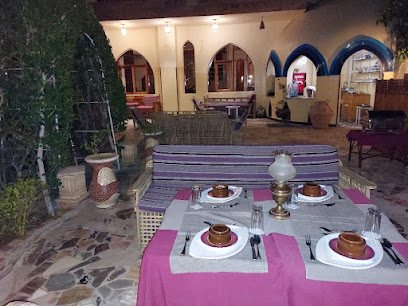
مطعم وولف Wolf Restaurant
1.9 km
Experience exquisite Western cuisine at Wolf Restaurant in Luxor - where every meal is a delightful journey through flavors.
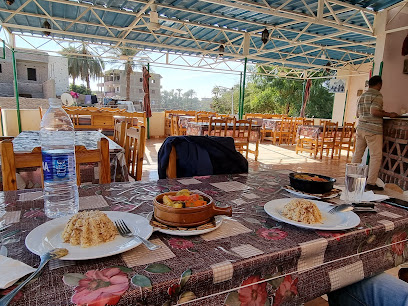
مطعم دوار الشمس Sunflower Restaurant
2.7 km
Discover authentic Egyptian cuisine at Sunflower Restaurant in Al Bairat - where delightful meat dishes meet warm hospitality.
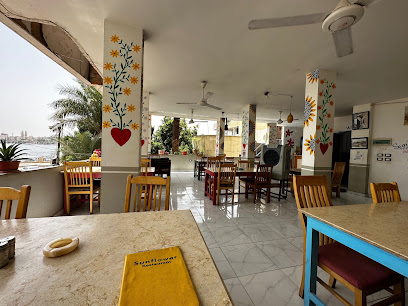
Wannas art cafe
2.8 km
Discover authentic Egyptian flavors in an artistic setting at Wannas Art Cafe in Al Bairat, Luxor.
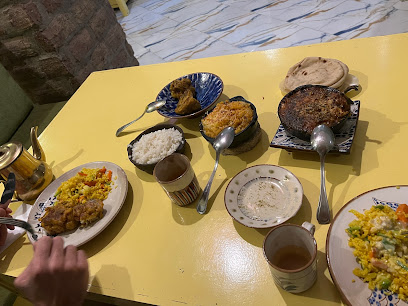
Nile Roof Restaurant
2.9 km
Experience authentic Egyptian cuisine with breathtaking views at Nile Roof Restaurant along the banks of the majestic Nile River.
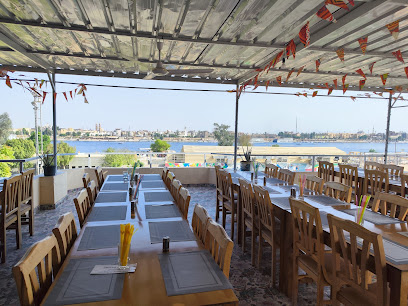
Nile Valley Hotel & Restaurant
2.9 km
Experience authentic Egyptian hospitality at Nile Valley Hotel & Restaurant, your gateway to exploring ancient treasures along the banks of the Nile.
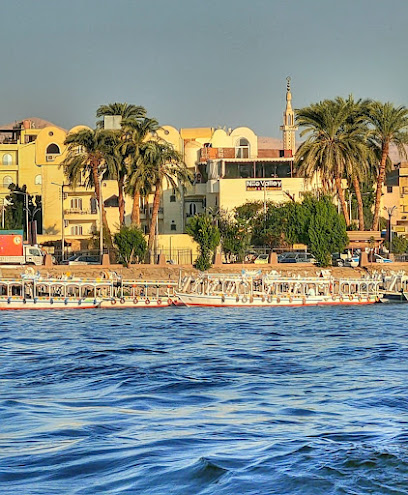
Casablanca Restaurant
3.0 km
Experience authentic Egyptian cuisine at Casablanca Restaurant in Luxor - where tradition meets taste.
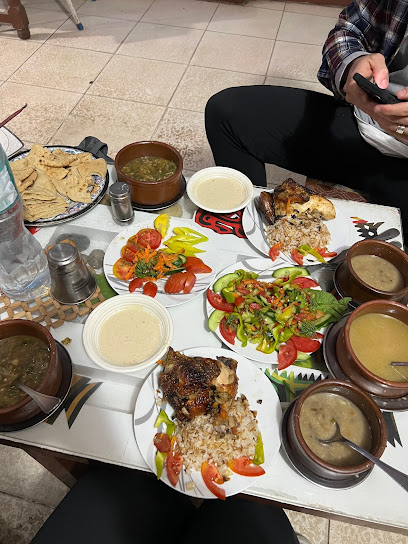
مطعم توت عنخ امون Tout Ankh Amoun Restaurant
3.1 km
Experience authentic Egyptian cuisine with stunning Nile views at Tout Ankh Amoun Restaurant in Luxor.
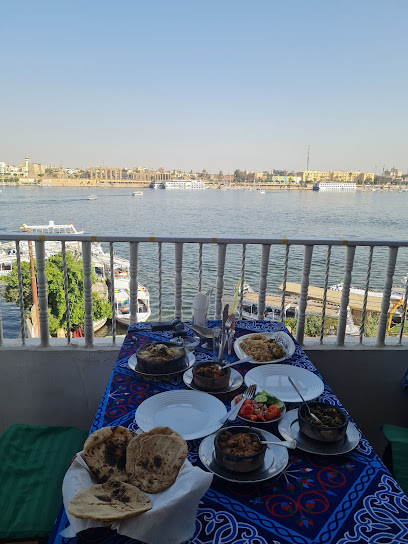
Nile View Restaurant
3.1 km
Experience authentic Egyptian barbecue with stunning Nile views at Nile View Restaurant in Luxor.
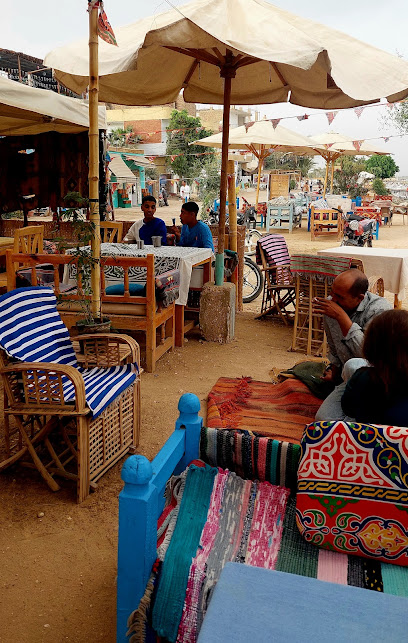
Cup Coffee Sunrise Restaurant
3.1 km
Experience authentic Egyptian flavors at Cup Coffee Sunrise Restaurant in Luxor, where every meal comes with stunning views and warm hospitality.
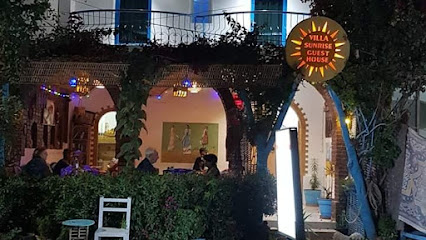
مطعم الميناء Almina Restaurant
3.1 km
Experience exquisite dining at Almina Restaurant: where Japanese Izakaya meets fast food in the heart of Luxor.
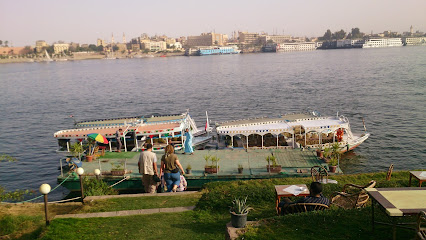
Markets, malls and hidden boutiques

Caravanserai Luxor Egyptian Handicrafts From All Over Egypt
0.6 km
Explore Caravanserai Luxor for exquisite Egyptian handicrafts and a unique shopping experience in the heart of Luxor.
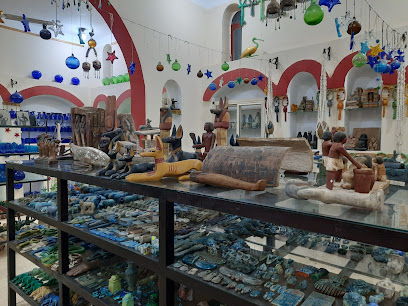
Nefertari Papyrus Institute
0.7 km
Explore the Nefertari Papyrus Institute for exquisite papyrus art, history, and authentic Egyptian souvenirs in the heart of Luxor.
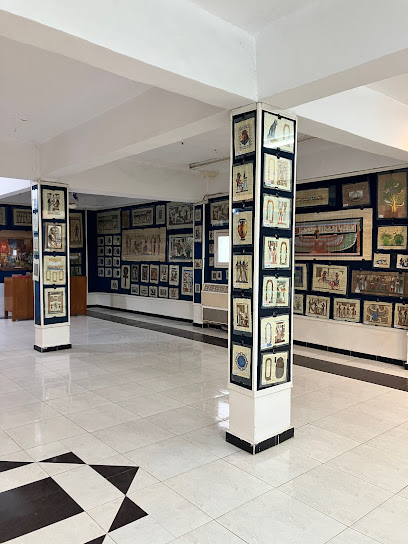
Art Valley Alabaster Factory
1.8 km
Explore the Art Valley Alabaster Factory for exquisite souvenirs and an immersive experience in Egyptian craftsmanship.
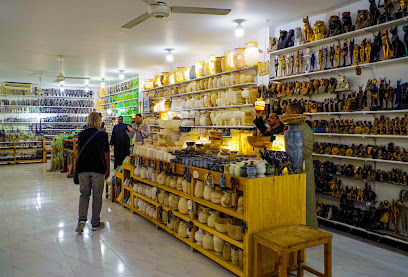
HAPI FOR ALABASTER مصانع حابى للالباستر
1.8 km
Discover the enchanting world of handcrafted alabaster souvenirs at HAPI FOR ALABASTER in Luxor, Egypt.
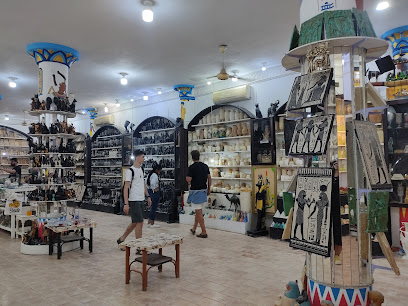
Imhotep Alabaster Luxor
2.0 km
Discover unique Egyptian souvenirs and handcrafted treasures at Imhotep Alabaster in Luxor, a must-visit for every traveler.
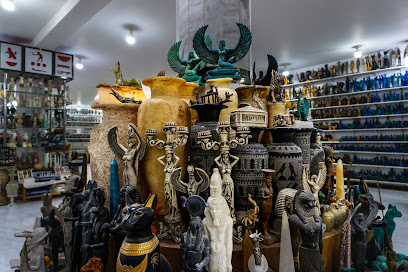
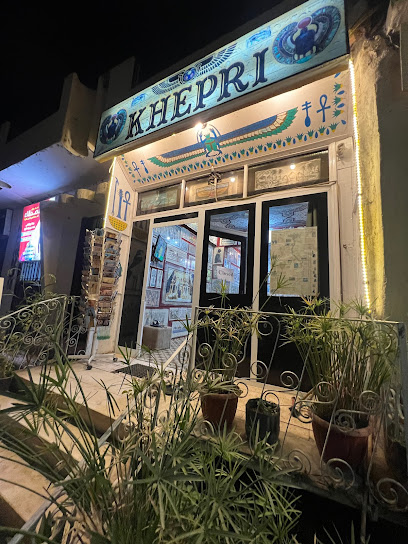
Khepri papyrus museum
2.6 km
Explore the fascinating world of ancient Egyptian art at Khepri Papyrus Museum in Luxor, where history meets craftsmanship.
SHOP SANDOUK . HandCrafts/FairTrade
2.9 km
Explore Shop Sandouk in Luxor for authentic handcrafted souvenirs that celebrate Egyptian culture and support local artisans.
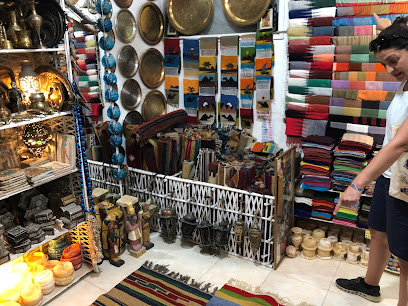
Abou Ali Crafts Collection Proudly Made In Egypt
2.9 km
Explore authentic Egyptian artistry at Abou Ali Crafts Collection in Luxor, offering unique handmade treasures that embody local culture and craftsmanship.
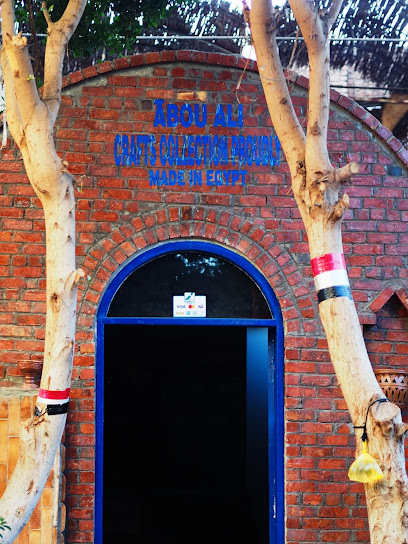
Huu Natural Shop
3.0 km
Explore Huu Natural Shop in Luxor for an authentic taste of Egyptian natural oils and local products, perfect for health enthusiasts and souvenir seekers.
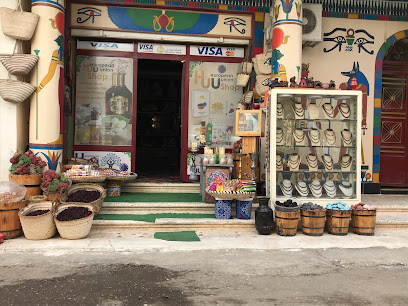
Gaddis & Co.
3.7 km
Discover unique souvenirs and local craftsmanship at Gaddis & Co., the charming gift shop along the Nile in Luxor.
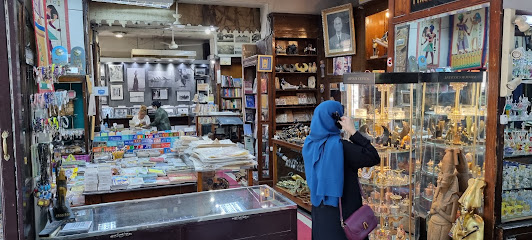
Nobles Art Gallery
3.7 km
Explore a treasure trove of exquisite antiques and artworks at Nobles Art Gallery, the heart of Luxor's rich cultural heritage.
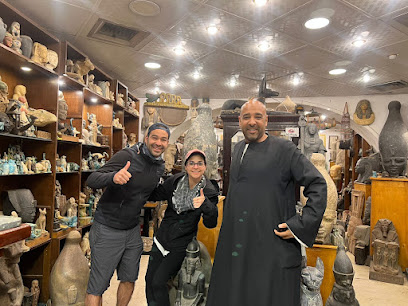
Tienda de recuerdos
3.8 km
Discover authentic Egyptian souvenirs at Tienda de Recuerdos in Luxor, a vibrant store filled with handcrafted treasures that embody the spirit of Egypt.
Ata Bazar
3.8 km
Explore Ata Bazar in Luxor for unique antiques, handcrafted jewelry, and local art that embody the rich culture of Egypt.
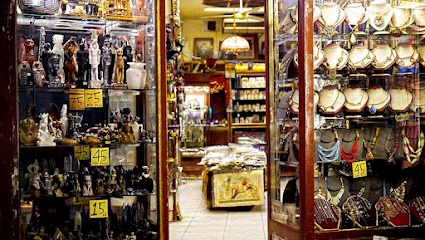
Sam House Luxor gold and silver smith
3.8 km
Explore the exquisite craftsmanship of gold and silver jewelry at Sam House Luxor, where tradition meets elegance in every piece.
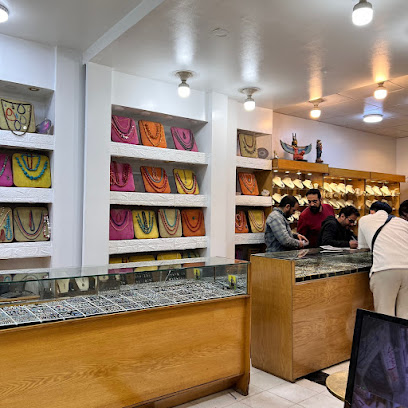
Fair Trade Center
3.8 km
Immerse yourself in Luxor's vibrant culture at the Fair Trade Center, where unique handicrafts and ethical shopping meet.
Essential bars & hidden hideouts

Bar & Byke Rent, West Luxor
2.6 km
Discover the perfect blend of relaxation and adventure at Bar & Byke Rent in Luxor, featuring refreshing drinks and bike rentals for exploring ancient wonders.
انتيكةAntika
2.9 km
Discover Antika, Luxor's vibrant cocktail bar, where exquisite drinks and lively ambiance create unforgettable moments.
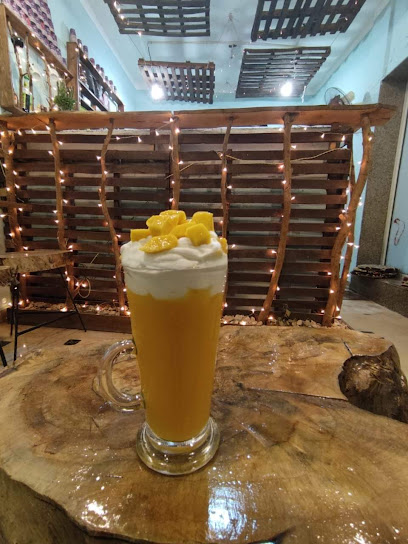
ابو الكعجي للمشروبات الروحيه
3.6 km
Discover the vibrant nightlife at Abu El-Kaaji, a lively bar in Luxor offering an exquisite selection of spirits and a welcoming atmosphere.
Royal Bar
3.7 km
Experience the vibrant ambiance of the Royal Bar in Luxor, where exquisite drinks meet stunning Nile views for an unforgettable evening.
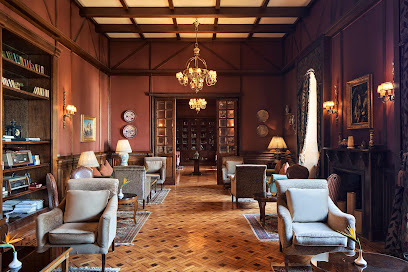
Snack Time
3.8 km
Experience the vibrant flavors of Egypt at Snack Time, your go-to spot for authentic cuisine and delicious pizza delivery in Luxor.
حسني لطيف سلامة
3.9 km
Experience the vibrant nightlife of Luxor at حسني لطيف سلامة, where local charm meets refreshing drinks in a lively atmosphere.
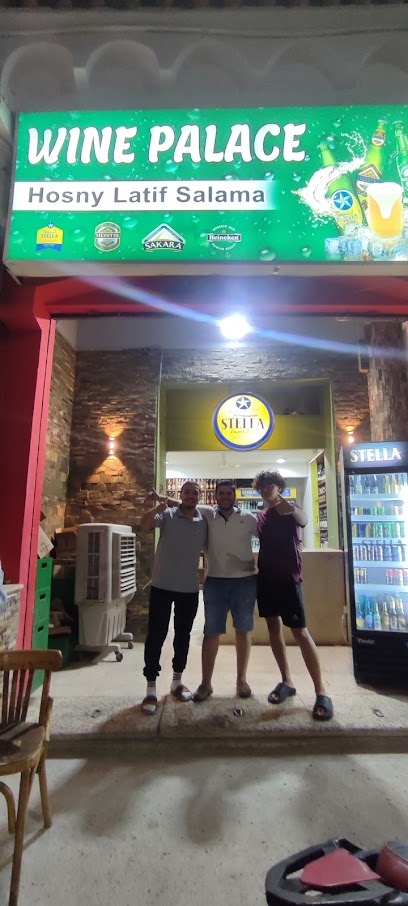
Wine palace
3.9 km
Discover the enchanting Wine Palace in Luxor, where local flavors and a vibrant atmosphere meet for a memorable evening.
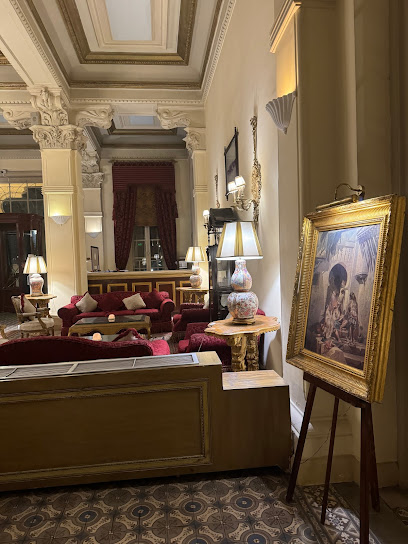
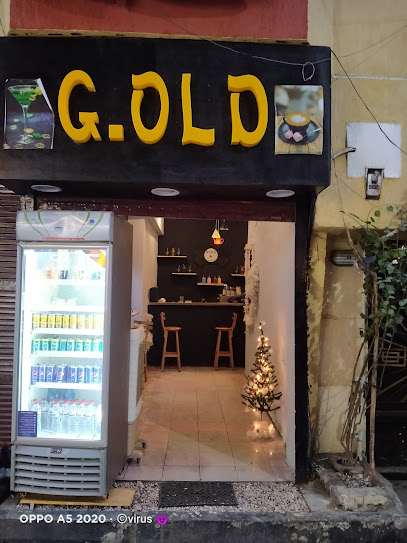
G.old
4.2 km
Experience vibrant nightlife at G.old, a premier bar in Luxor, Egypt, offering an extensive drink selection and a lively atmosphere.
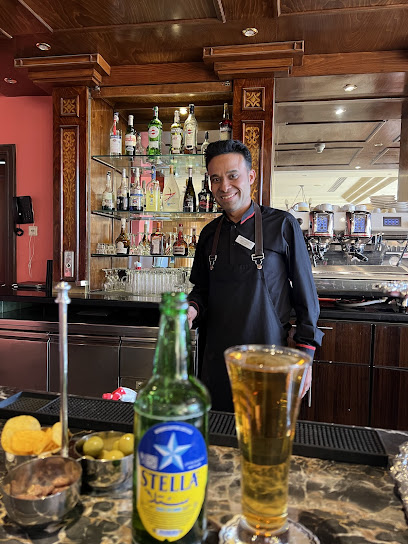
Nile Bar & Lounge
4.2 km
Experience the elegance of Nile Bar & Lounge in Luxor, where exquisite cocktails meet breathtaking views of the Nile River.
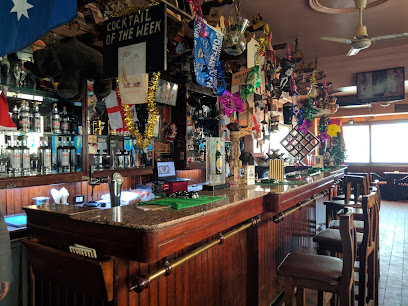
The King's Head Pub
4.2 km
Experience the vibrant local culture at The King's Head Pub, the perfect spot for relaxation and traditional Egyptian hospitality in Luxor.
ميرفيس الأيرلندية بار Murphys Irish Bar
4.3 km
Discover the heart of Irish culture at Murphys Irish Bar in Luxor, where tradition meets vibrant entertainment and delightful cuisine.
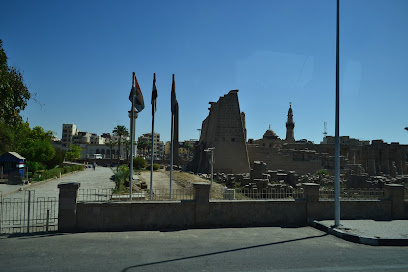
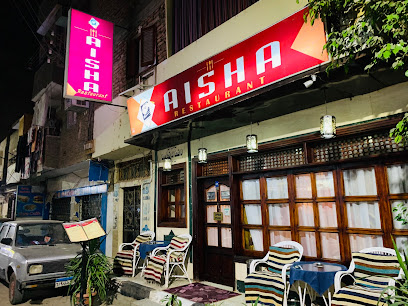
Aisha restaurant Luxor
4.3 km
Experience authentic Egyptian flavors at Aisha Restaurant in Luxor, where tradition meets taste in a vibrant dining atmosphere.
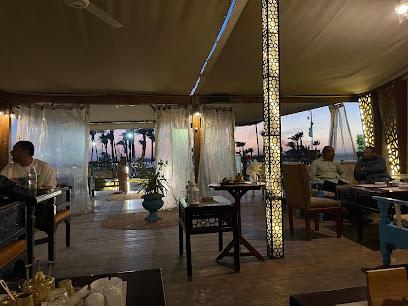
Beyt Ward Restaurant and cafe shop
4.3 km
Experience authentic Egyptian flavors at Beyt Ward Restaurant near Karnak Temples, Luxor's culinary treasure.
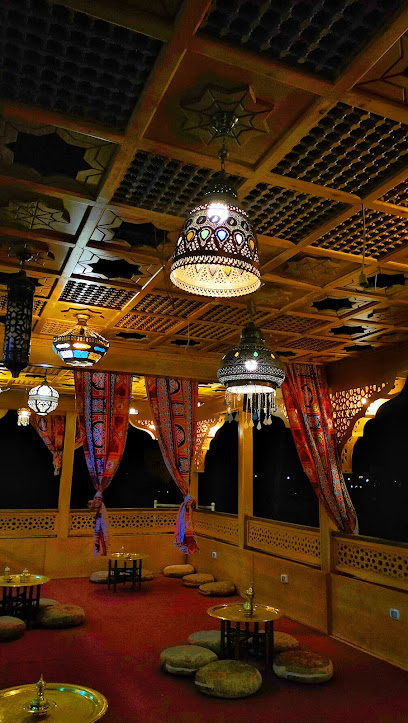
Arabi Paradise
4.3 km
Experience the authentic flavors of Egypt at Arabi Paradise, a culinary gem in Luxor that delights every palate.
Maxime's El Saltana café
4.4 km
Discover Maxime's El Saltana Café in Luxor – where tradition meets flavor in a cozy ambiance perfect for every traveler.