Mendebrunnen: A Neo-Baroque Masterpiece
Experience the timeless beauty of Leipzig's Mendebrunnen, a neo-baroque masterpiece on Augustusplatz, where art, history, and culture converge in a stunning display of allegorical splendor.
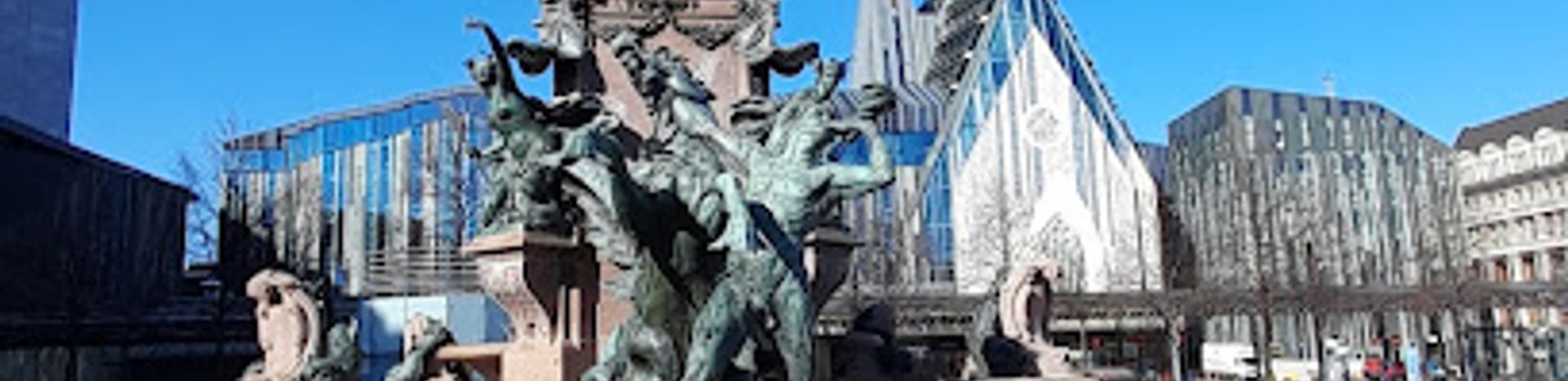
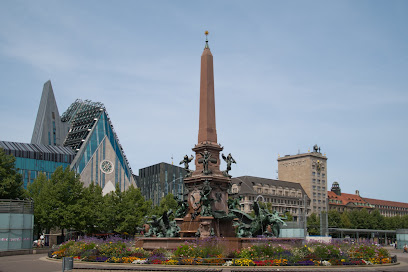
The Mendebrunnen, Leipzig's largest and most historically significant decorative fountain, graces Augustusplatz. Erected between 1883 and 1886, it stands as a testament to the city's rich cultural heritage. Funded by a bequest from Pauline Mende, a merchant's widow, the fountain's design, crafted by Adolf Gnauth and Jacob Ungerer, draws inspiration from Italian Baroque fountains, particularly Rome's Trevi Fountain. Its allegorical figures, including Tritons, Nereids, and Hippocampi, celebrate water as a life-giving force. A meticulously restored landmark, the Mendebrunnen offers visitors a captivating glimpse into Leipzig's past and enduring artistic legacy, making it a must-see attraction on Augustusplatz.
A brief summary to Mendebrunnen
- Augustuspl. 15, Leipzig, Mitte, 04109, DE
- +493411230
- Visit website
Local tips
- Visit during the evening hours to see the fountain illuminated, creating a magical and romantic atmosphere.
- Take a stroll around Augustusplatz to admire the other architectural landmarks, including the Leipzig Opera House and the Gewandhaus concert hall.
- Check for local events or markets taking place on Augustusplatz, which can add to the vibrant atmosphere.

Getting There
-
Walking
The Mendebrunnen is centrally located on Augustusplatz, making it easily accessible on foot from most areas within Leipzig's city center. From the Leipzig Hauptbahnhof (main train station), head south towards Augustusplatz. The walk is approximately 10 minutes, and the fountain will be visible in front of the Gewandhaus concert hall. Orientation is straightforward as the City-Hochhaus (Uni-Riese), a prominent skyscraper on Augustusplatz, serves as a clear landmark.
-
Public Transport
Augustusplatz is a major transportation hub served by numerous tram lines. Take any tram line that stops at 'Augustusplatz' (e.g., lines 4, 7, 10, 11, 12, 14, 15, or 16). Tram tickets can be purchased at vending machines at most tram stops. A single ticket (Einzelfahrkarte) for a short trip (Kurzstrecke) within the city zone costs around €2.40. From the tram stop, the Mendebrunnen is a short walk across Augustusplatz.
-
Taxi/Ride-Share
Taxis and ride-sharing services are readily available in Leipzig. Simply request a ride to 'Augustusplatz'. A taxi ride from the Leipzig Hauptbahnhof to Augustusplatz typically costs between €8 and €12, depending on traffic and the specific route. The journey usually takes only a few minutes.
Discover more about Mendebrunnen
Iconic landmarks you can’t miss

Augustusplatz
0.1 km
Experience the vibrant heart of Leipzig at Augustusplatz, a historic square blending iconic architecture, cultural events, and modern urban life in the center of the city.
Bronze der Universitätskirche St. Pauli
0.1 km
A miniature bronze replica commemorating Leipzig's lost University Church of St. Paul, inviting reflection on history, faith, and the enduring spirit of the city.
Paulinum - Aula und Universitätskirche St. Pauli
0.1 km
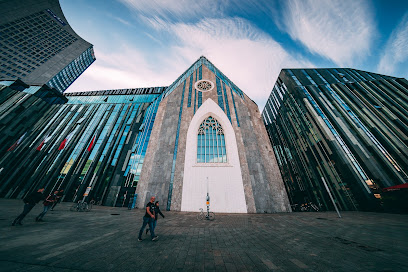
Discover the Paulinum in Leipzig: A modern architectural marvel that commemorates a historic church, blending faith, academia, and remembrance in the heart of the city.
City-Hochhaus Leipzig
0.1 km
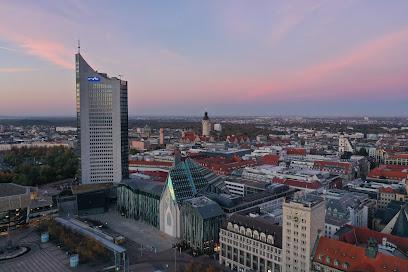
Experience Leipzig from Above: Ascend the City-Hochhaus, an architectural icon offering panoramic city views and a glimpse into Leipzig's vibrant history and modern skyline.
Unzeitgemäße Zeitgenossen
0.1 km
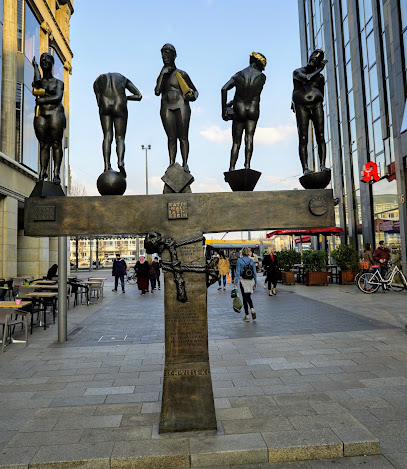
A thought-provoking bronze sculpture in Leipzig's city center, the 'Unzeitgemäße Zeitgenossen' critiques outdated thinking and invites reflection on timeless societal issues, making it a must-see landmark.
Tympanon-Fries
0.2 km
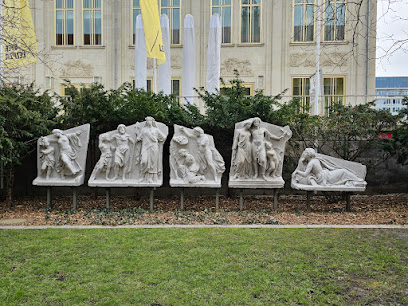
Discover the poignant Tympanon-Fries on Augustusplatz, a restored fragment of Leipzig's Neues Theater, destroyed in WWII, offering a glimpse into the city's rich cultural history and resilience.
Museum of Antiquities of Leipzig University
0.3 km
Explore ancient Greek and Roman art and culture at the Museum of Antiquities of Leipzig University, home to a diverse collection of artifacts and plaster casts in the historic Alte Nikolaischule.
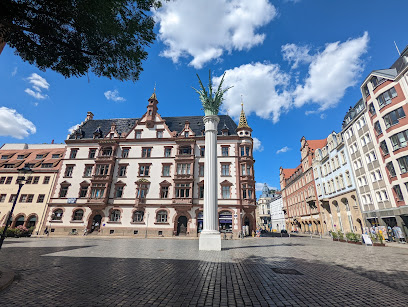
Schiller-Denkmal
0.3 km
A marble monument in Leipzig honoring Friedrich Schiller, the famous German poet who penned 'Ode to Joy' during his stay in the city, a testament to Leipzig's rich cultural heritage.
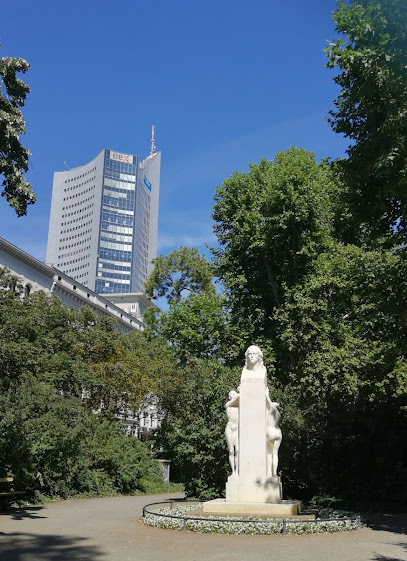
Mädler-Passage
0.4 km
Discover the elegance of Mädrer-Passage, Leipzig's premier shopping destination and historical landmark, where culture meets luxury.
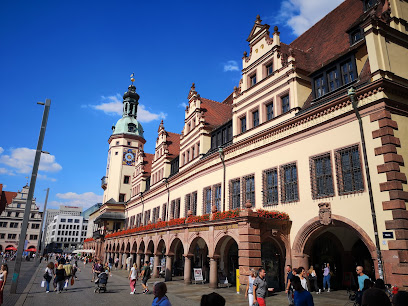
Faust and Mephisto Sculpture
0.4 km
Experience Goethe's Faust brought to life in bronze at the heart of Leipzig's elegant Mädlerpassage, where literary history meets upscale charm and a touch of Faustian legend.
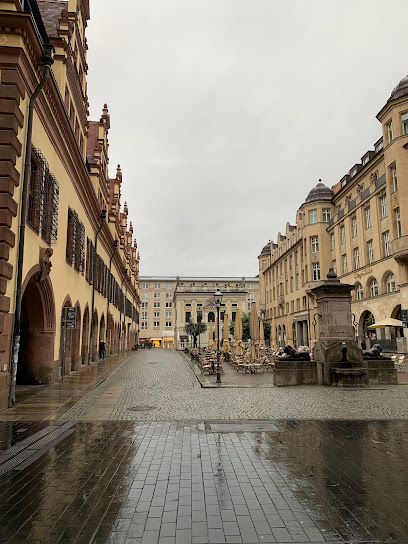
Statue of Goethe
0.4 km
Explore Leipzig's Statue of Goethe, a magnificent tribute to the literary icon amidst the city's rich cultural tapestry.
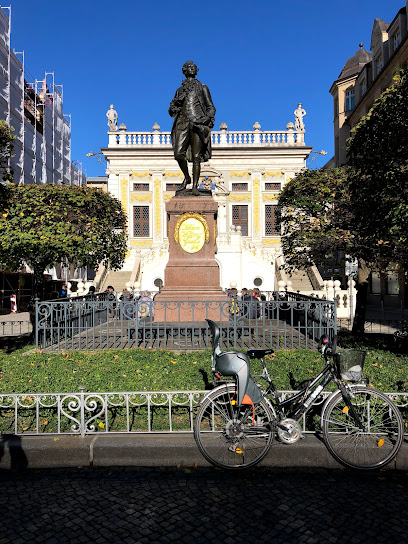
Denkmal der Leipzig-Dresdner Eisenbahn
0.5 km
Commemorating Germany's first long-distance railway, this elegant obelisk stands as a testament to Leipzig's pioneering role in transportation and industrial development.
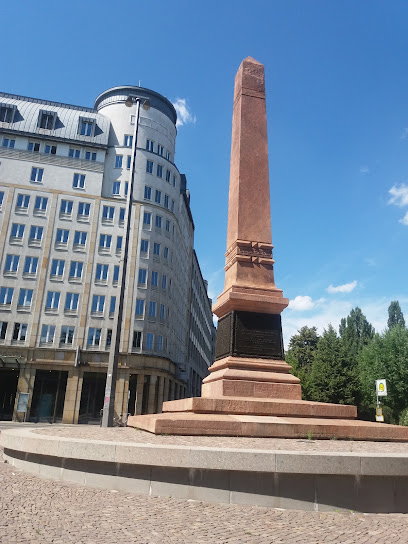
Аlte Waage
0.5 km
Discover Leipzig's historical gem, Allte Waage, where architectural beauty meets rich cultural heritage in the heart of the city.

Böttchergäßchen 3
0.5 km
Explore Böttchergäßchen in Leipzig: A historic lane blending museums, culture, and shopping in the heart of the city, offering a unique glimpse into Leipzig's past and present.
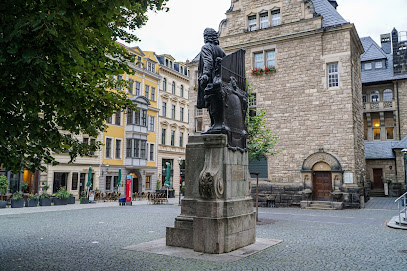
Neues Bach-Denkmal
0.6 km
A bronze tribute to Johann Sebastian Bach, the Neues Bach-Denkmal in Leipzig celebrates the composer's legacy and his profound connection to the city's musical heritage.
Unmissable attractions to see

Leipzig, Augustusplatz, Zentrum
0.1 km
Discover the cultural richness of Leipzig at Augustusplatz, where history meets modernity in a vibrant public square filled with art and music.
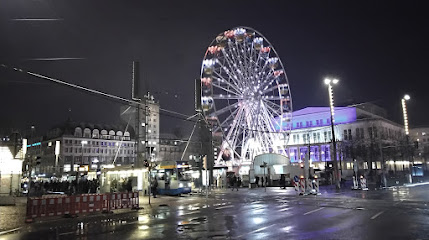
Gewandhaus
0.1 km
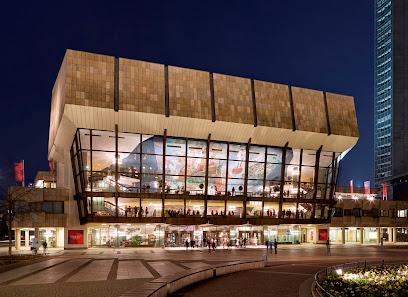
Discover Leipzig’s Gewandhaus, a premier concert hall blending rich musical history with stunning architecture and world-class performances.
Demokratieglocke
0.1 km
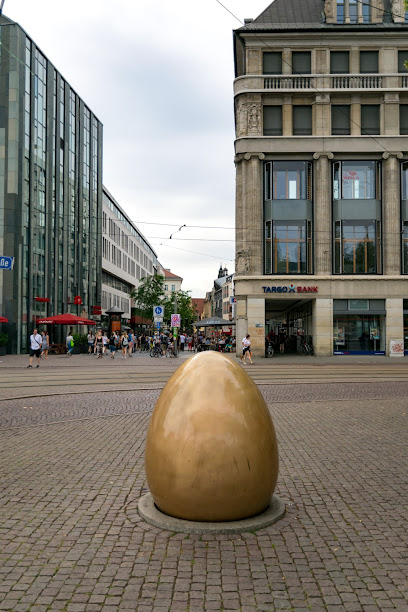
Explore the Demokratieglocke in Leipzig, a powerful symbol of freedom, unity, and the peaceful revolution that shaped modern Germany.
Kanonenkugel Turm
0.1 km
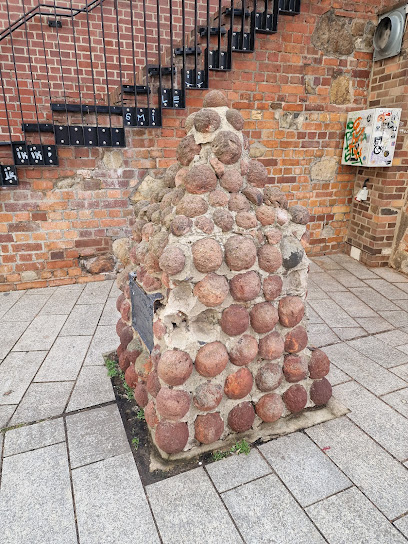
Explore the Kanonenkugel Turm, a unique landmark in Leipzig that encapsulates the city's rich history and architectural beauty.
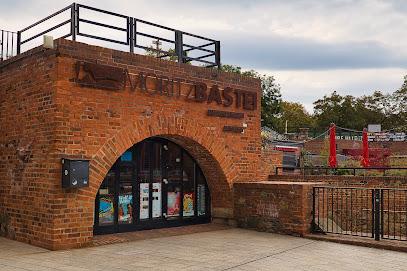
Moritzbastei
0.2 km
Discover Moritzbastei, Leipzig's cultural hub offering live music, a café atmosphere, and a rich historical backdrop for an unforgettable experience.
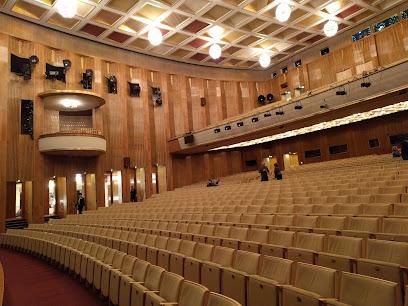
Oper Leipzig
0.2 km
Discover the cultural heart of Leipzig at Oper Leipzig, a historic opera house renowned for its stunning performances and vibrant artistic atmosphere.
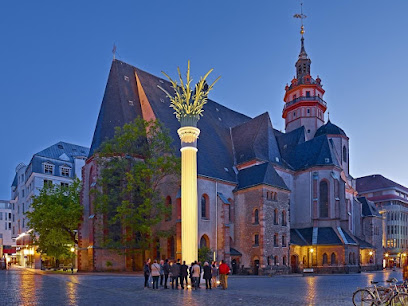
Nikolaisäule
0.2 km
Discover the historical beauty of Nikolaisäule in Leipzig, a magnificent monument at the heart of the city that reflects its rich cultural heritage.
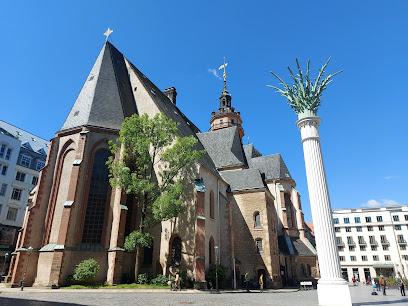
St. Nicholas Church
0.3 km
Explore St. Nicholas Church in Leipzig, a stunning neo-Romanesque architectural wonder steeped in history and spirituality.
Mendelssohn-Haus
0.3 km
Experience the rich musical heritage of Felix Mendelssohn at Mendelssohn-Haus, a captivating museum in the heart of Leipzig.
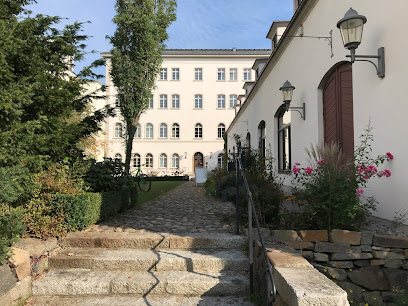
Forum of Contemporary History Leipzig
0.4 km
Explore the rich tapestry of 20th-century German history at the Forum of Contemporary History Leipzig, a must-visit for history enthusiasts.
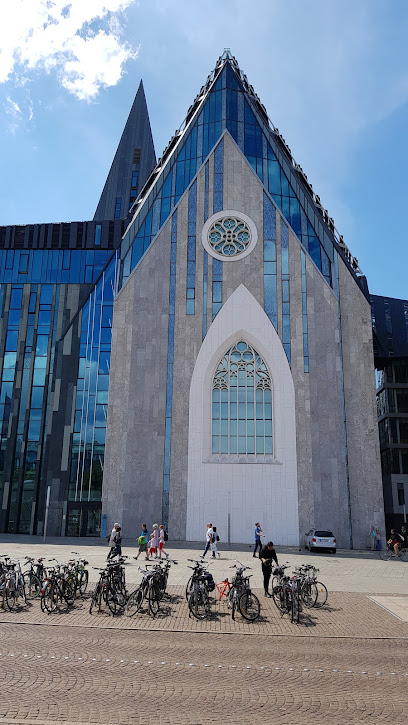
Mittelalter Weihnachtsmarkt Leipzig
0.4 km
Experience the magic of Christmas at the Mittelalter Weihnachtsmarkt Leipzig, where festive cheer and medieval charm come together to create an unforgettable holiday experience.
Leipzig Zentrum
0.4 km
Explore Leipzig Zentrum: a vibrant hub of culture, history, and modern charm in the heart of Leipzig, perfect for tourists seeking an unforgettable experience.
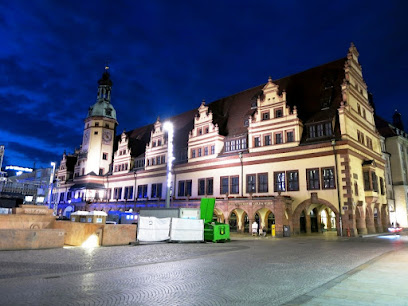
Naschmarkt
0.4 km
Discover the Naschmarkt in Leipzig: A vibrant market showcasing local flavors, fresh produce, and artisanal delights for every food lover.
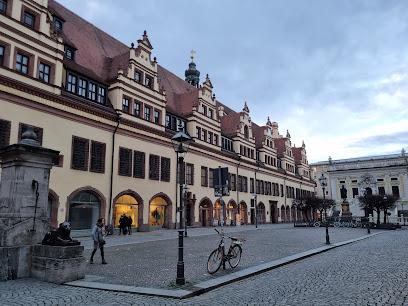
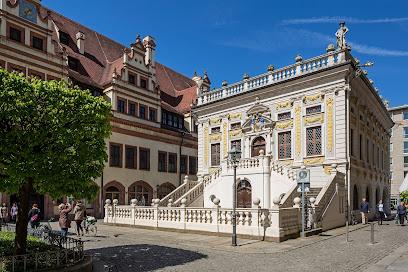
Alte Börse
0.4 km
Explore Leipzig's history at Alte Börse, a local history museum and former stock exchange, rich in culture and architectural beauty.
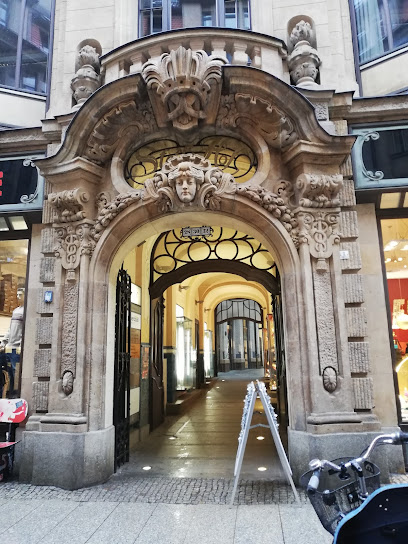
N' Ostalgie Museum
0.4 km
Explore the unique history of East Germany at the N' Ostalgie Museum in Leipzig, showcasing nostalgia and culture from the GDR era.
Essential places to dine

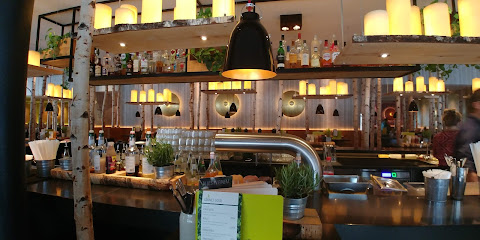
HANS IM GLÜCK - LEIPZIG Augustusplatz
0.1 km
Discover gourmet burgers in a cozy atmosphere at HANS IM GLÜCK - Leipzig's premier destination for food lovers.
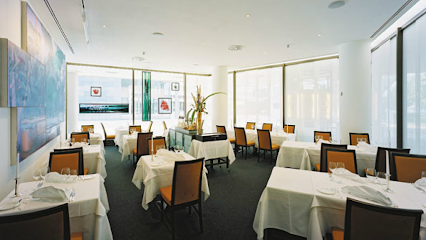
Stadtpfeiffer Restaurant im Gewandhaus
0.1 km
Experience exquisite modern French cuisine at Stadtpfeiffer Restaurant im Gewandhaus in Leipzig – where tradition meets innovation.
Max Enk
0.3 km
Experience the finest German cuisine at Max Enk - where every meal is a celebration of flavor and elegance in Leipzig.
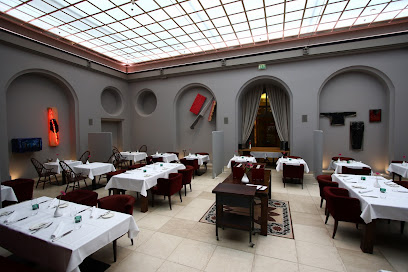
Planerts Restaurant
0.4 km
Discover culinary artistry at Planerts Restaurant in Leipzig - where fusion cuisine meets exceptional service in an elegant setting.
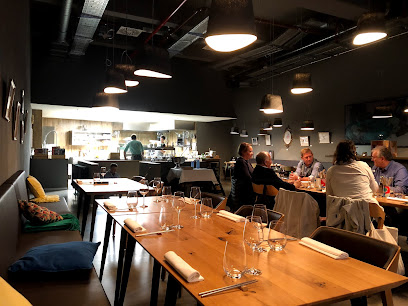
Auerbachs Keller
0.4 km
Discover the rich history and authentic flavors of Germany at Auerbachs Keller in Leipzig, where tradition meets exquisite dining.
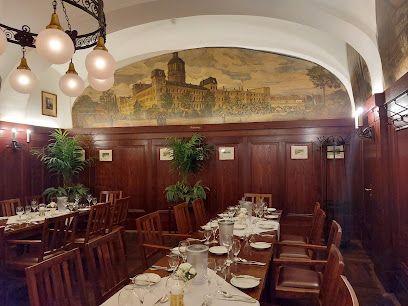
IMPERII
0.4 km
Experience the elegance of IMPERII in Leipzig - where gourmet cuisine meets vibrant nightlife in a chic setting.
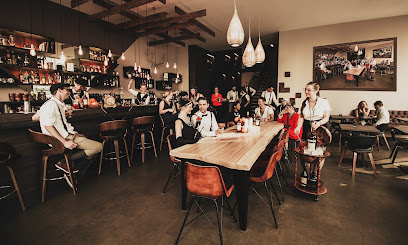
Leos Brasserie
0.5 km
Discover the charm of Leos Brasserie in Leipzig – where exquisite cuisine meets a warm and inviting atmosphere.
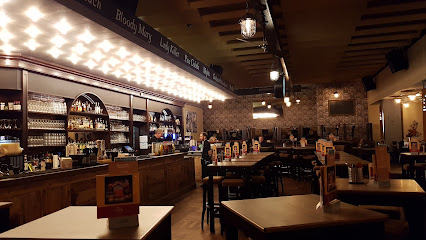
Thüringer Hof
0.5 km
Discover authentic German cuisine at Thüringer Hof in Leipzig – where tradition meets taste in a cozy setting.
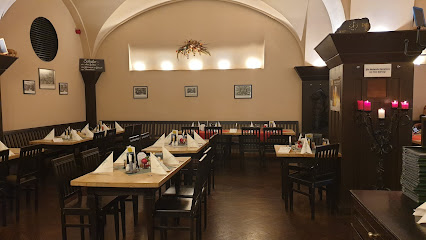
Palazzo ZIHNØ Restaurant & bar - Leipzig
0.5 km
Savor exquisite dishes and cocktails at Palazzo ZIHNØ Restaurant & Bar in Leipzig while enjoying vibrant live music.
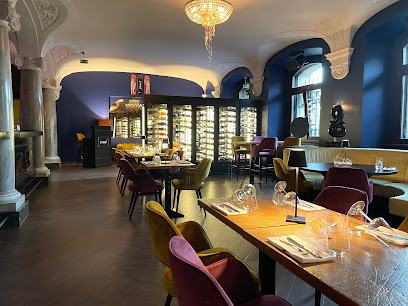
Restaurant Weinstock Leipzig
0.5 km
Discover traditional German flavors at Restaurant Weinstock Leipzig, where culinary excellence meets warm hospitality in the heart of the city.
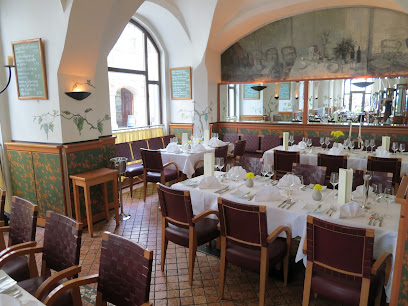
Steaktrain
0.5 km
Indulge in premium steaks at Steaktrain, Leipzig's top destination for carnivores seeking an unforgettable dining experience.
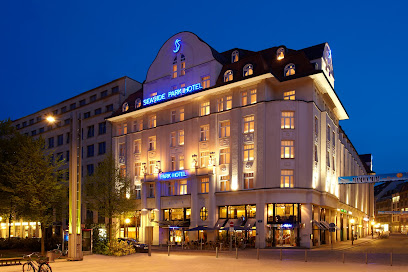
Zur Pleißenburg - Leipzig
0.6 km
Discover authentic German cuisine at Zur Pleißenburg, where traditional flavors meet cozy ambiance in the heart of Leipzig.
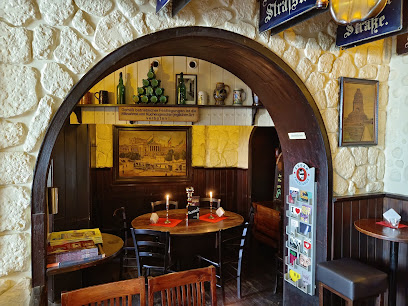
Restaurant Cafe Madrid
0.6 km
Savor the vibrant flavors of Spain at Restaurant Cafe Madrid, where authentic dishes meet warm hospitality in Leipzig's lively atmosphere.
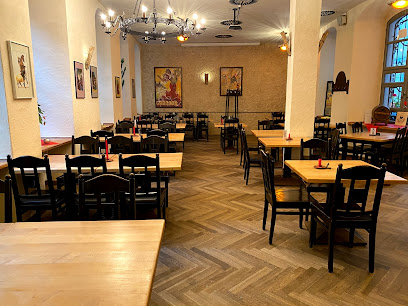
Zills Tunnel
0.6 km
Experience the best of local and international cuisine at Zills Tunnel in Leipzig - where every meal is crafted with passion.
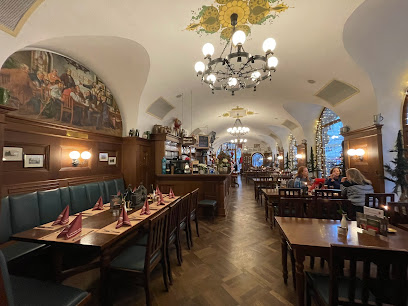
Ratskeller der Stadt Leipzig GmbH
0.6 km
Discover authentic German flavors at Ratskeller der Stadt Leipzig – where tradition meets taste in a lively beer hall setting.
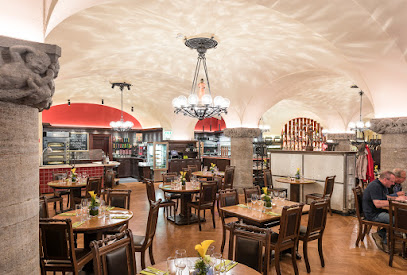
Markets, malls and hidden boutiques

Unishop der Universität Leipzig
0.2 km
Discover unique gifts and university memorabilia at Unishop der Universität Leipzig, a charming shop in the heart of the city.
Montblanc Boutique Leipzig
0.2 km
Explore Montblanc Boutique Leipzig for exquisite luxury writing instruments, watches, and leather goods in the heart of Germany's vibrant city.
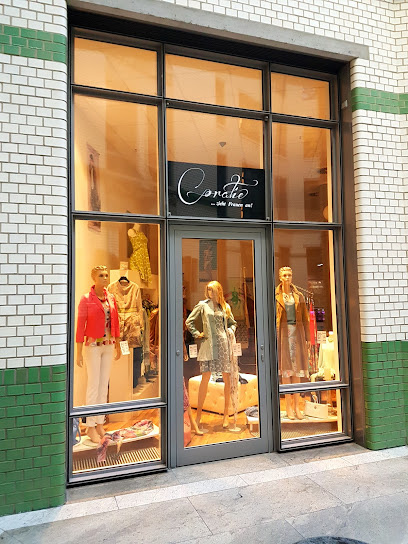
Boutique Coralie
0.3 km
Discover the essence of contemporary fashion at Boutique Coralie in Leipzig's vibrant Mitte district, where style meets local design.
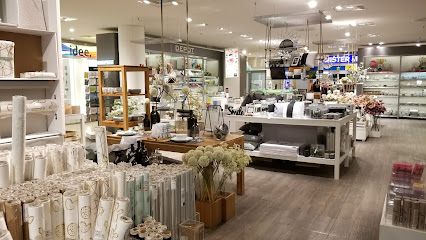
GALERIA Leipzig
0.3 km
Explore GALERIA Leipzig: A shopping haven in the heart of the city, offering diverse retail options and a taste of local culture.
Bazar Royal
0.3 km
Discover the essence of style at Bazar Royal, Leipzig's premier clothing destination for men and women, featuring quality apparel and exquisite leather goods.
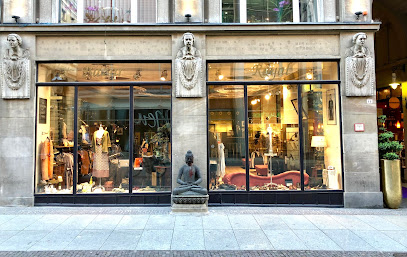
SCALA
0.3 km
Discover SCALA, Leipzig's premier clothing store, where contemporary fashion meets the city's vibrant culture and style.
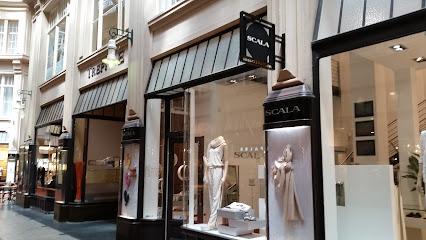
Strohsack-Passage
0.3 km
Experience the vibrant shopping and cultural atmosphere at Strohsack-Passage, Leipzig's premier shopping mall located in the city's heart.
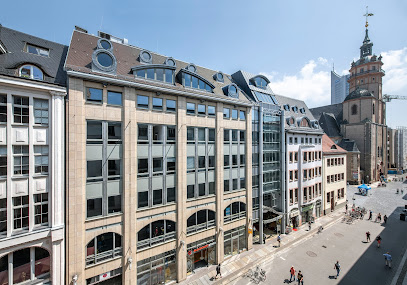
Wolford Boutique Leipzig
0.3 km
Explore Wolford Boutique in Leipzig for luxury women's fashion, exquisite lingerie, and chic accessories that define elegance and style.
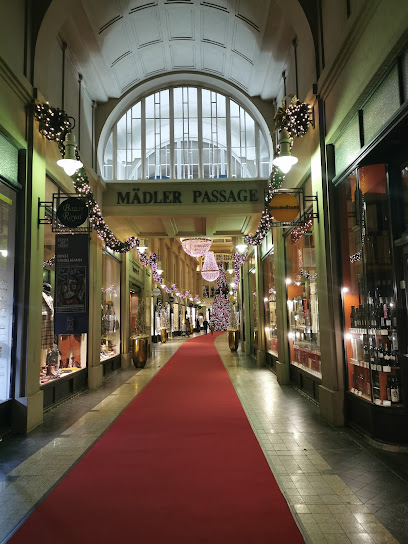
LUSH Cosmetics Leipzig
0.4 km
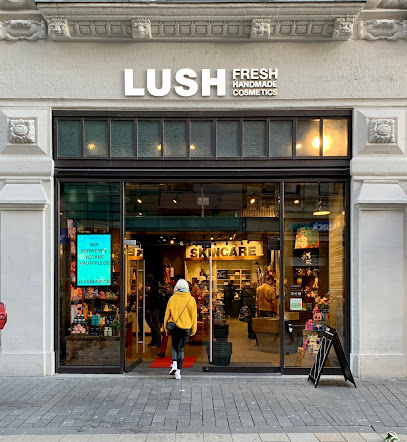
Explore LUSH Cosmetics Leipzig, where creativity meets sustainability in a vibrant selection of handmade beauty products and unique gifts.
Leipzig Laden
0.4 km
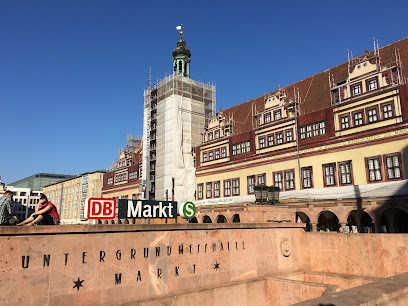
Explore Leipzig Laden, a charming souvenir store in the heart of Leipzig, offering unique crafts, local gifts, and an extensive selection of books.
Urban Outfitters
0.4 km
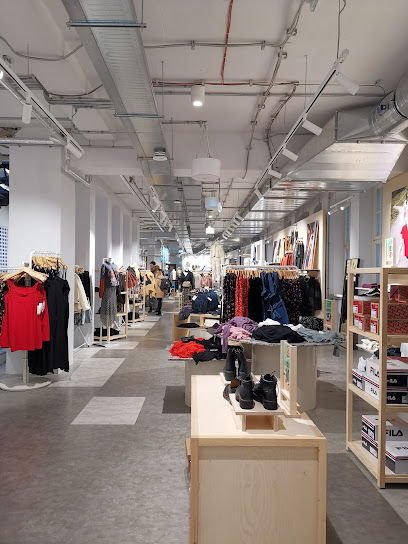
Discover unique fashion and lifestyle products at Urban Outfitters in the heart of Leipzig, where vintage meets contemporary style.
Pylones
0.4 km
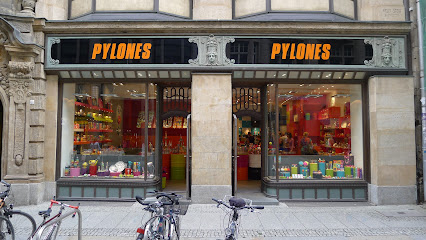
Explore Pylones in Leipzig for colorful gifts and unique home goods that embody creativity and joy in every corner.
Petersbogen
0.5 km
Explore Petersbogen, Leipzig's top shopping mall, where fashion meets culture in a vibrant atmosphere filled with diverse shops and delightful dining options.
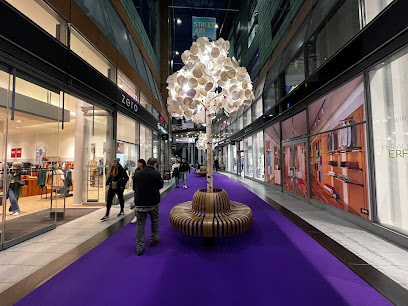
Breuninger Leipzig
0.5 km
Discover the essence of fashion at Breuninger Leipzig, where luxury meets style in a vibrant shopping environment.
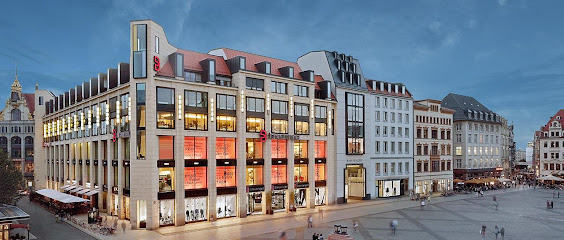
Reserved
0.5 km
Discover the ultimate shopping experience at Reserved in Leipzig, featuring stylish clothing for men, women, and children in a vibrant setting.
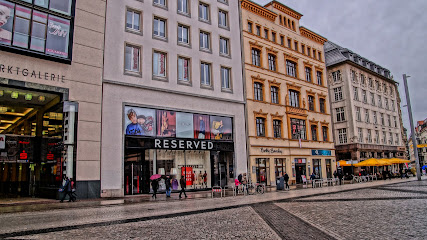
Essential bars & hidden hideouts

Rooftop One Bar Leipzig-Post
0.1 km
Experience the stunning skyline of Leipzig at Rooftop One Bar, where exquisite drinks and breathtaking views await you.
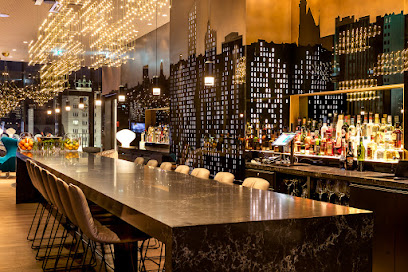
Tonelli's Leipzig
0.3 km
Explore the vibrant nightlife of Leipzig at Tonelli's, a lively live music bar and pub offering delicious food and unforgettable performances.
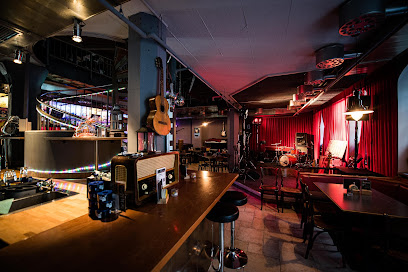
Sonderbar - Leipzig
0.3 km
Experience the vibrant atmosphere and innovative cocktails at Sonderbar in Leipzig, the perfect spot for night owls and cocktail enthusiasts.
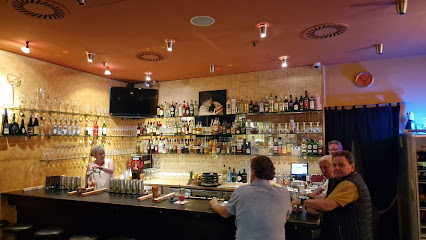
The First Whisk (e) y Bar Leipzig - Leipzig
0.3 km
Discover the ultimate whisky experience at The First Whisk(e)y Bar in Leipzig, featuring over 600 whiskies and an inviting ambiance to unwind.
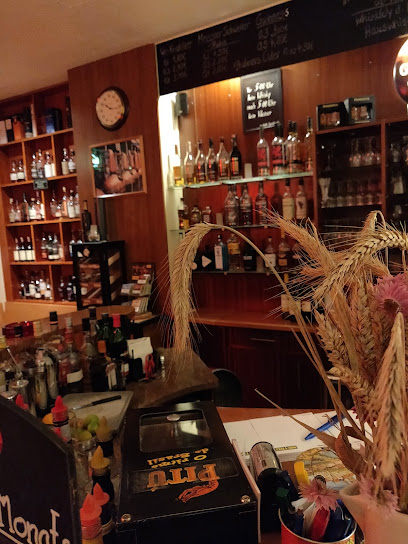
Mephisto Bar
0.4 km
Discover the enchanting Mephisto Bar in Leipzig, where history meets modernity in a cozy atmosphere with exceptional drinks.
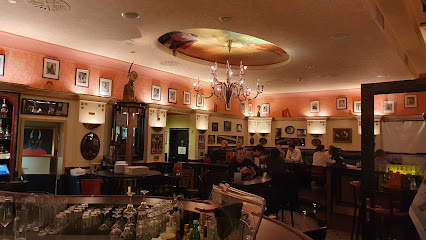
Gwuni's Cafe - und Cocktail Bar
0.4 km
Discover the perfect blend of cozy ambiance and artisanal drinks at Gwuni's Cafe and Cocktail Bar in Leipzig.
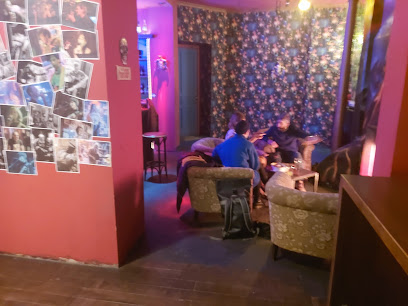
Dhillons
0.5 km
Experience the vibrant spirit of Ireland at Dhillons, Leipzig's beloved Irish pub and sports bar, perfect for tourists seeking great food and lively entertainment.
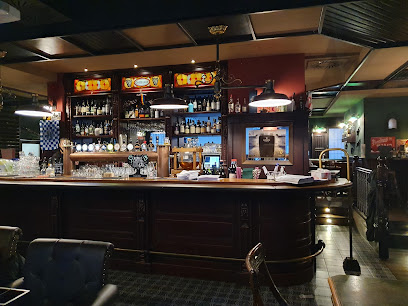
Brick's der Cocktail
0.5 km
Discover the vibrant cocktail culture at Brick's der Cocktail, a must-visit bar in Leipzig for unforgettable drinks and an electric atmosphere.
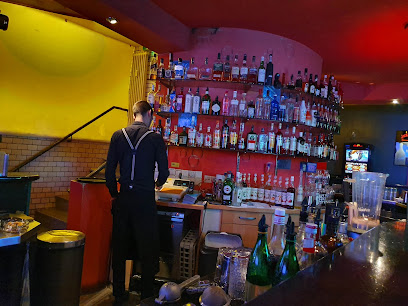
BELLINI'S BAR & RESTAURANT - Leipzig
0.5 km
Experience the vibrant atmosphere of Bellini's Bar & Restaurant, a cocktail bar and café in the heart of Leipzig with delicious food and drinks.
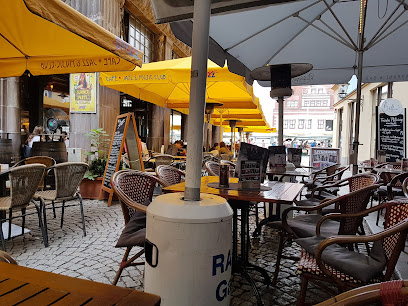
Kildare City Pub
0.6 km
Discover Kildare City Pub in Leipzig for an authentic Irish atmosphere, delicious food, and vibrant sports entertainment.
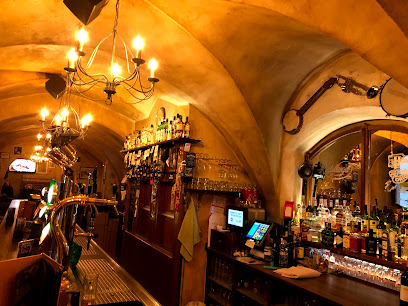
Piano Bar Leipzig
0.6 km
Experience the vibrant atmosphere of Piano Bar Leipzig, where exquisite cocktails and live music create unforgettable moments in the heart of the city.
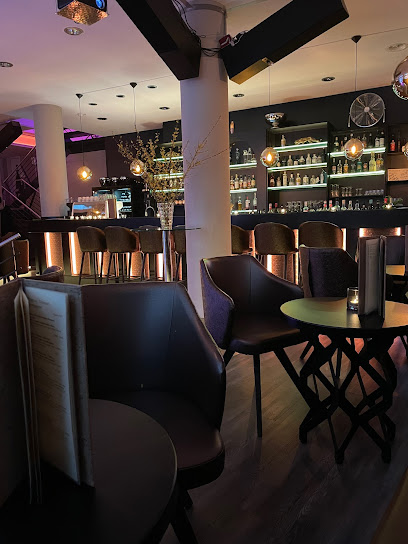
Beer bar track 8
0.7 km
Discover the essence of Leipzig's brewing culture at Beer Bar Track 8, offering a wide selection of local and international beers in a cozy setting.
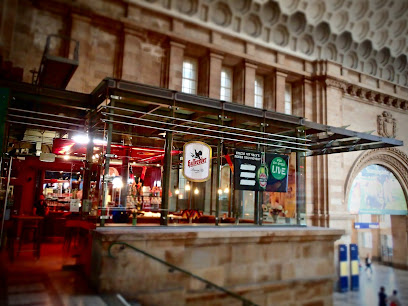
Bar Cabana Dachterrasse - Leipzig
0.7 km
Experience the vibrant atmosphere of Bar Cabana Dachterrasse, Leipzig's rooftop bar with stunning views, exquisite drinks, and delicious cuisine.
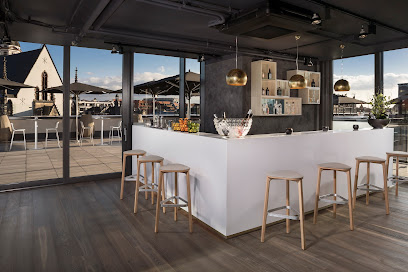
Die Bar
0.9 km
Experience the vibrant atmosphere at Die Bar, Leipzig's premier sports bar, where local brews and excitement meet in a cozy setting.
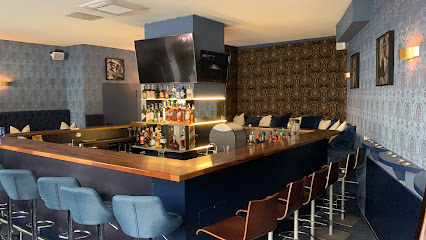
Renkli
0.9 km
Experience the charming ambiance and curated wine selection at Renkli, a must-visit wine bar in the heart of Leipzig.
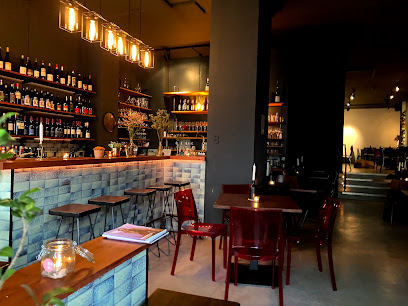
Nightclubs & after hour spots

Nachtcafe
0.4 km
Experience the vibrant nightlife of Leipzig at Nachtcafe, a dynamic club blending dance, music, and a lively bar atmosphere.
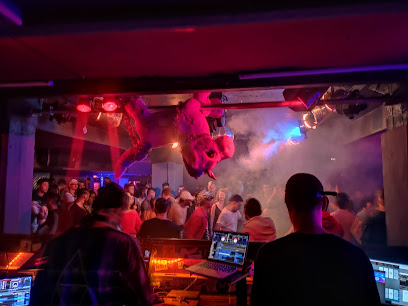
PENDO - Leipzig
0.4 km
Experience the electrifying nightlife of Leipzig at PENDO, the ultimate destination for music, dancing, and unforgettable memories.
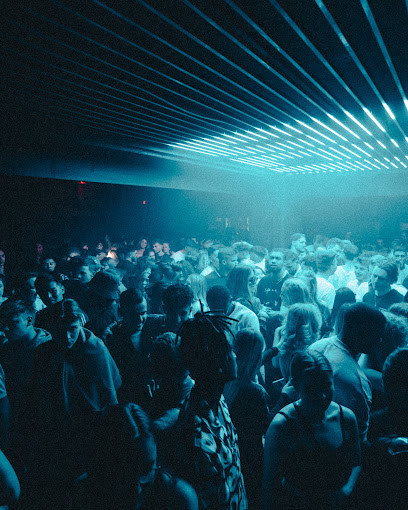
Club Koenigshaus GmbH - Leipzig
0.4 km
Discover the electrifying nightlife at Club Koenigshaus in Leipzig, where music, dance, and a vibrant crowd come together for an unforgettable experience.
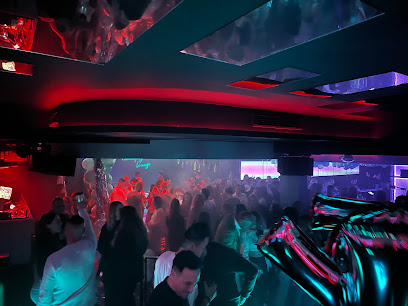
KÄTZ | LIFESTYLE & DANCECLUB | DRINKS & FOOD I SAUNA & POOLS
0.5 km
Experience the vibrant nightlife of Leipzig at KÄTZ, a unique club combining energetic dance floors with relaxing saunas and pools.
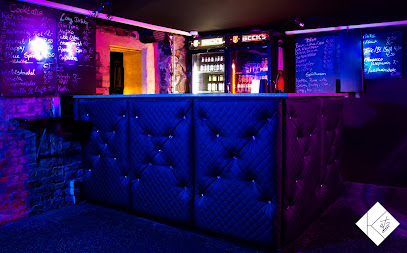
Spizz
0.5 km
Discover Spizz in Leipzig, a vibrant restaurant and jazz club offering delightful cuisine and live music in a cozy atmosphere.
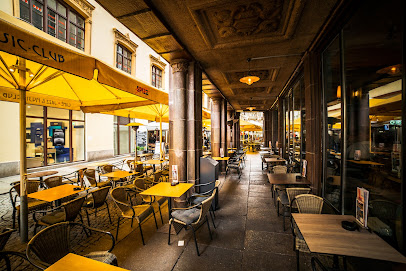
Club 21 - Hanitzsch KG
0.6 km
Discover the vibrant nightlife of Leipzig at Club 21, where music, dancing, and fun await in an energetic atmosphere.
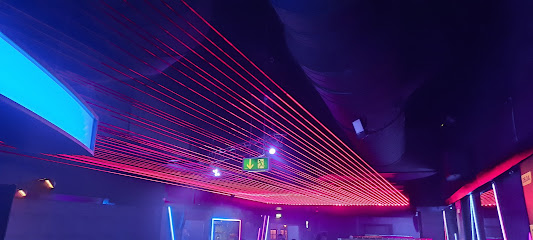
Darkflower GmbH - Leipzig
0.6 km
Immerse yourself in Leipzig's nightlife at Darkflower GmbH, a lively disco club and bar perfect for dancing and socializing with friends.
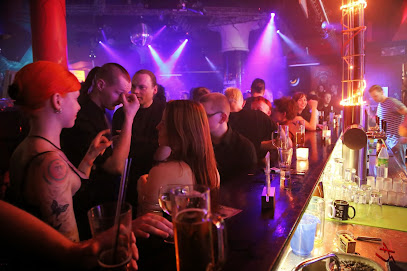
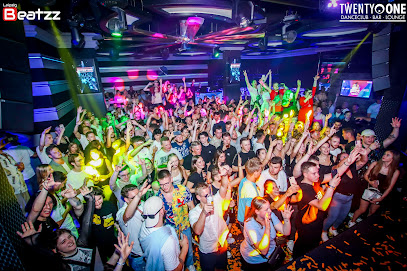
TwentyOne
0.7 km
Discover the electrifying nightlife at TwentyOne, Leipzig's premier night club, where music and dance unite in an unforgettable experience.
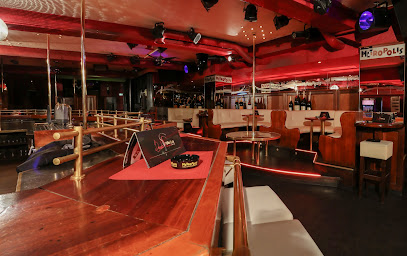
Metropolis Table Dance (Lounge - Leipzig
0.8 km
Discover the vibrant nightlife at Metropolis Table Dance Lounge in Leipzig, where entertainment meets elegance in an electrifying atmosphere.
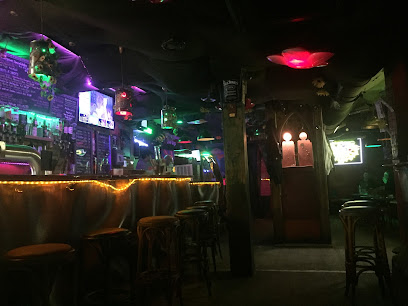
Flowerpower - Leipzig
0.9 km
Discover the best of Leipzig's nightlife at Flowerpower - a vibrant night club and karaoke bar that promises unforgettable fun and entertainment.
Forever Young stage
1.0 km
Unleash your nightlife experience at Forever Young Stage, Leipzig's premier night club offering electrifying music and vibrant energy.
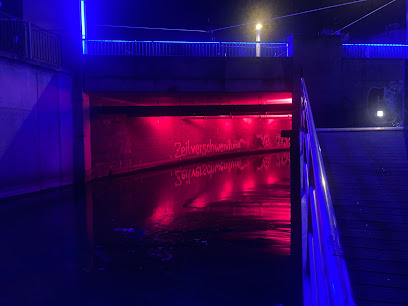
Club UNIQUE
1.2 km
Discover the pulse of Leipzig's nightlife at Club UNIQUE, a premier night club for unforgettable nights filled with music and dancing.
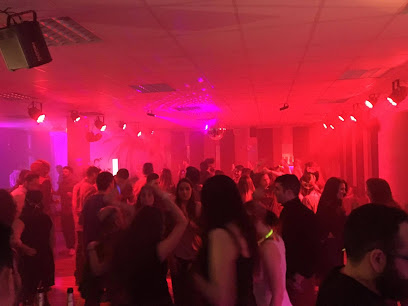
Club Velvet
1.6 km
Dive into the electric nightlife of Leipzig at Club Velvet, where music, dance, and unforgettable experiences come alive every weekend.
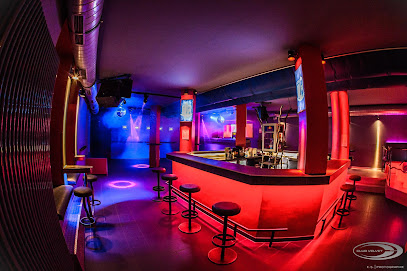
Horns Erben
1.8 km
Discover Horns Erben, Leipzig's premier live music venue, where every night is a celebration of culture, music, and exceptional dining.
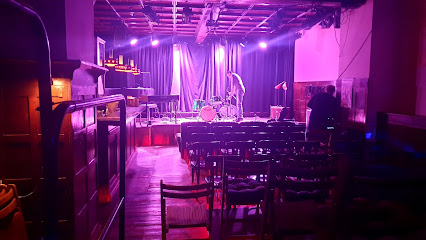
Jonas Günther
1.9 km
Discover the heart of Leipzig's nightlife at Jonas Günther, where music, dance, and vibrant energy create unforgettable nights.