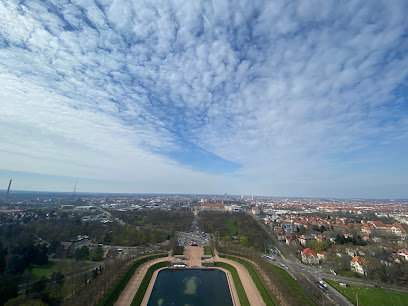
Monument to the Battle of the Nations: A Colossal Memorial
Explore the colossal Monument to the Battle of the Nations in Leipzig, a towering memorial commemorating Napoleon's defeat and offering panoramic city views and historical insights.
The Monument to the Battle of the Nations (Völkerschlachtdenkmal) is a towering landmark in Leipzig, commemorating the decisive 1813 battle where allied forces defeated Napoleon. Completed in 1913, a century after the battle, this imposing structure stands 91 meters tall and is a powerful symbol of German resilience and the end of the Napoleonic era. Visitors can explore the monument's interior, including the crypt and Hall of Fame, and ascend to the observation platform for panoramic views of Leipzig. The adjacent FORUM 1813 museum offers historical context, displaying artifacts and exhibits related to the battle. With its striking architecture, historical significance, and stunning vistas, the monument offers a compelling experience for history buffs and sightseers alike. The monument is easily accessible by public transport and car, with parking available nearby, making it a must-see attraction for any visitor to Leipzig.
A brief summary to Monument to the Battle of the Nations
- Str. des 18. Oktober 100, Leipzig, Südost, 04299, DE
- +493412416870
- Visit website
Local tips
- Wear comfortable shoes, as climbing to the top observation deck involves navigating many steps, including narrow spiral staircases.
- Visit the FORUM 1813 museum at the base of the monument to gain a deeper understanding of the historical context and see fascinating artifacts from the Battle of Leipzig.
- Check the event schedule, as the monument occasionally hosts concerts and other cultural performances that take advantage of its unique acoustics.

Getting There
-
Public Transport
From Leipzig Hauptbahnhof (main train station), take Tram line 15 towards Meusdorf. Get off at the 'Völkerschlachtdenkmal' stop, which is directly in front of the monument. The tram ride takes approximately 20 minutes. A single ticket (Einzelfahrkarte) costs around €3.00.
-
Public Transport
Alternatively, take S-Bahn lines S1, S2, or S3 from Leipzig Hauptbahnhof to the 'Leipzig Völkerschlachtdenkmal' station. From the station, it's a short walk to the monument. A single ticket (Einzelfahrkarte) costs around €3.00.
-
Taxi/Ride-Share
A taxi or ride-share from Leipzig city center (e.g., Augustusplatz) to the Monument to the Battle of the Nations takes approximately 10-15 minutes, depending on traffic. The estimated fare is between €12-€18.
-
Driving
If driving, use the address Straße des 18. Oktober 100, 04299 Leipzig in your GPS. From the A38 motorway, take the exit towards Leipzig-Südost and follow the signs to the monument. There is a parking lot in front of the monument. Parking is free.
Discover more about Monument to the Battle of the Nations
Iconic landmarks you can’t miss

Napoleonstein
0.5 km
Step back in time at Napoleonstein in Leipzig's Wilhelm Külz Park, where history and nature converge to commemorate a pivotal moment in the Napoleonic Wars.
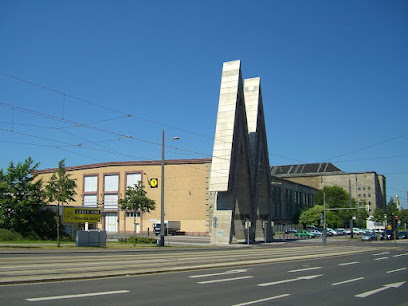
Das Doppel-M
1.0 km
Explore the iconic Doppel-M at Leipzig's Alte Messe, a landmark symbolizing the city's pioneering role in global trade and innovation, blending historical charm with modern enterprise.
Kuhhundfleckchen
2.4 km
Explore Kuhhundfleckchen: A tranquil hiking area in Leipzig, perfect for nature lovers and outdoor enthusiasts seeking an escape into stunning landscapes.
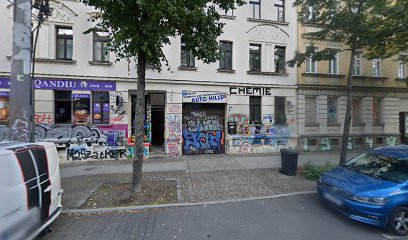
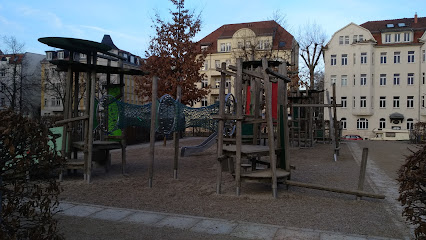
Steinplatz
2.5 km
Discover Steinplatz in Leipzig: A revitalized urban oasis offering playgrounds, green spaces, and a tranquil escape in the heart of the Südvorstadt district, perfect for families and individuals.
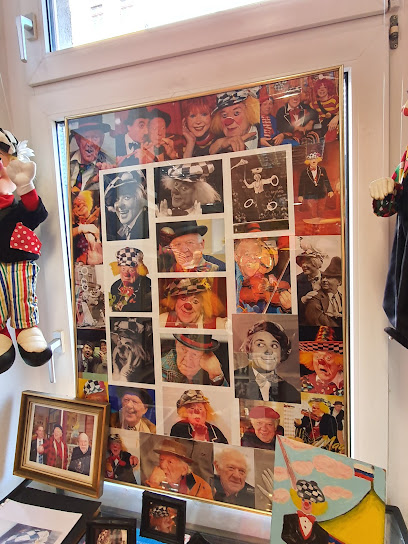
Clown-Museum Leipzig
2.7 km
Explore the colorful legacy of clowning at the Clown Museum in Leipzig, where laughter meets history in a delightful experience for all ages.
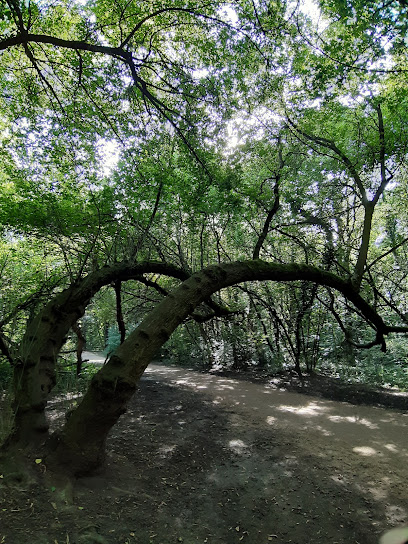
Kleine Brücke zum Auwald
2.8 km
Discover Leipzig's green heart: Explore the Auwald, one of Europe's largest urban forests, via the Kleine Brücke, offering trails, nature, and tranquility close to the city.
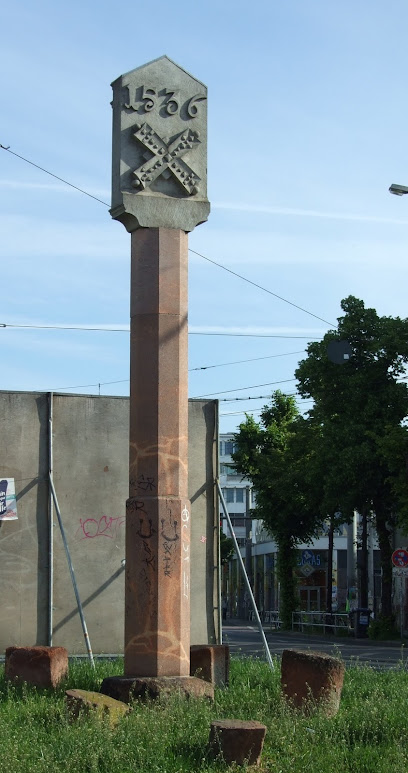
Stone Pillar
2.8 km
Explore the Stone Pillar in Leipzig, a historic landmark that embodies the city's rich cultural heritage and architectural beauty.
Katakombe Connewitz
2.9 km
Explore Leipzig's vibrant underground art scene at Katakombe Connewitz, an artist-run gallery in the bohemian Connewitz district, showcasing diverse contemporary works and fostering creative exchange.
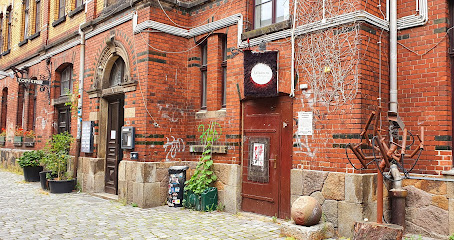
Niederkirchnerstraße 4
3.4 km
Discover the architectural beauty and cultural significance of Niederkirchnerstraße 4 in Leipzig—an essential stop for every traveler.
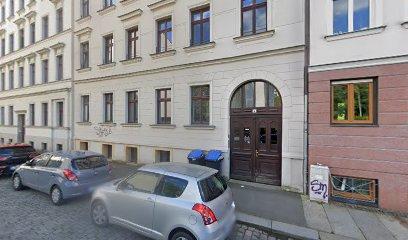
Karl-Liebknecht-Straße 1
3.5 km
Experience the vibrant heart of Leipzig on Karl-Liebknecht-Straße, a dynamic hub of culture, cuisine, and history in the Südvorstadt district, offering an authentic taste of the city.
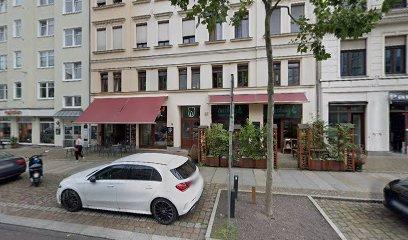
Münzplatz
3.6 km
Explore Münzplatz: A serene state park in Leipzig, perfect for relaxation, picnics, and enjoying nature's beauty in the heart of the city.
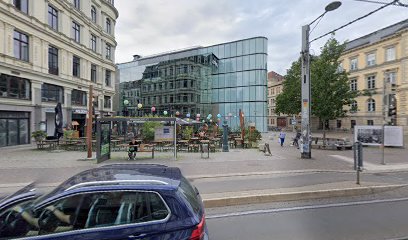
Fockeberg
3.6 km
Discover Fockeberg, a scenic hill in Leipzig offering stunning views, lush greenery, and a perfect spot for relaxation and leisurely walks.
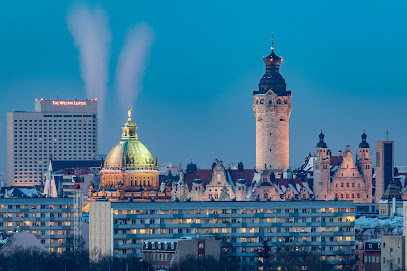
Augustusplatz
3.7 km
Experience the vibrant heart of Leipzig at Augustusplatz, a historic square blending iconic architecture, cultural events, and modern urban life in the center of the city.
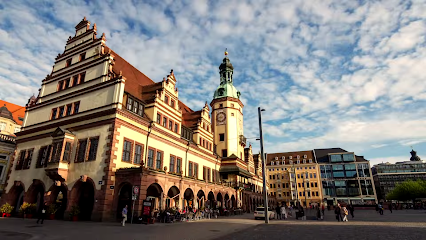
City-Hochhaus Leipzig
3.7 km
Experience Leipzig from Above: Ascend the City-Hochhaus, an architectural icon offering panoramic city views and a glimpse into Leipzig's vibrant history and modern skyline.
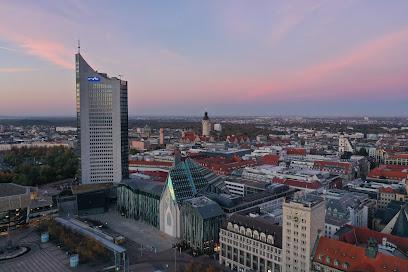
Schiller-Denkmal
3.7 km
A marble monument in Leipzig honoring Friedrich Schiller, the famous German poet who penned 'Ode to Joy' during his stay in the city, a testament to Leipzig's rich cultural heritage.
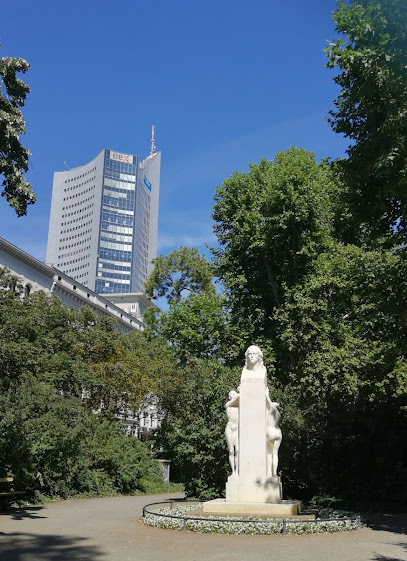
Unmissable attractions to see

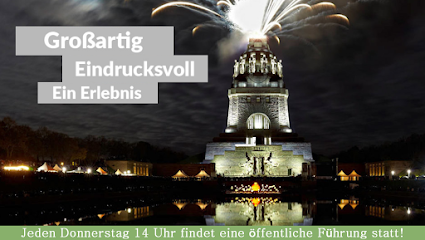
Stiftung Völkerschlachtdenkmal Leipzig
0.1 km
Discover the historic Völkerschlachtdenkmal in Leipzig, a monumental tribute to the Battle of Nations and a key landmark of German heritage.
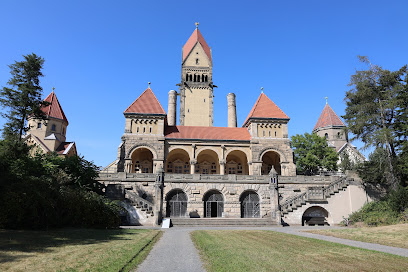
Südfriedhof
0.4 km
Explore the serene beauty and historical significance of Südfriedhof, Leipzig's enchanting sanctuary of peace and reflection.
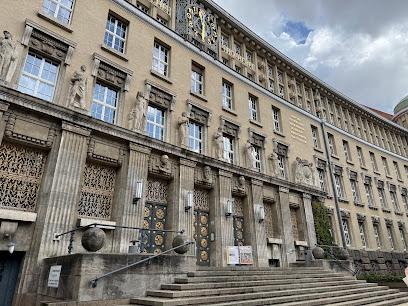
Deutsche Bücherei
1.6 km
Discover the Deutsche Bücherei in Leipzig, a national library dedicated to preserving German literary heritage with stunning architecture and rich collections.
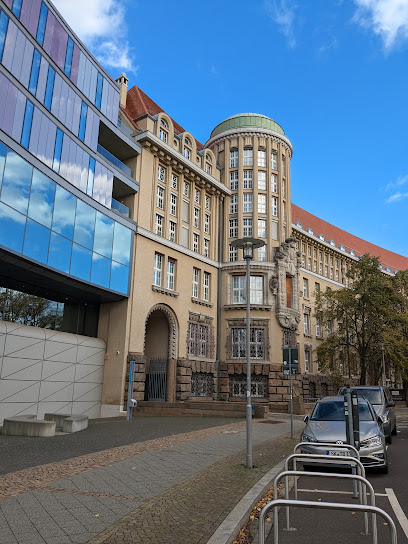
Deutsches Buch- und Schriftmuseum
1.7 km
Immerse yourself in the world of literature at the Deutsches Buch- und Schriftmuseum, showcasing the evolution of writing and publishing in an engaging setting.
Russian Memorial Church
1.7 km
Explore the Russian Memorial Church in Leipzig: A stunning tribute blending history and spirituality in a serene architectural masterpiece.
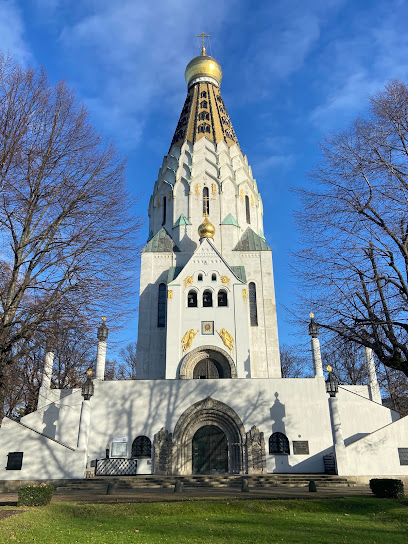
Russische Gedächtniskirche
1.7 km
Discover the serene beauty and architectural splendor of the Russische Gedächtniskirche, a must-visit Orthodox church in the heart of Leipzig.
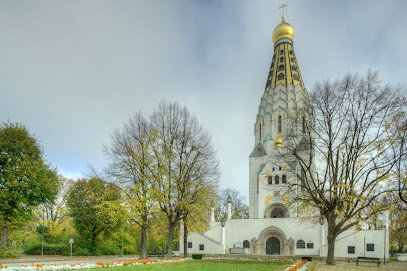
Skulptur Aktion
1.8 km
Discover contemporary art at Skulptur Aktion in Leipzig, a unique open-air gallery showcasing diverse sculptures and installations.
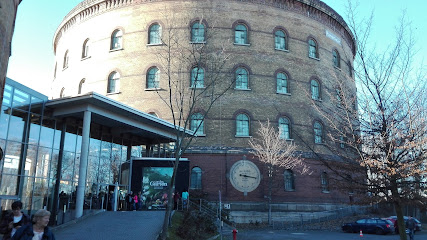
Leipzig Panometer
1.9 km
Experience the breathtaking artistry and rich history of Leipzig at the Leipzig Panometer, a unique museum that captivates and inspires.
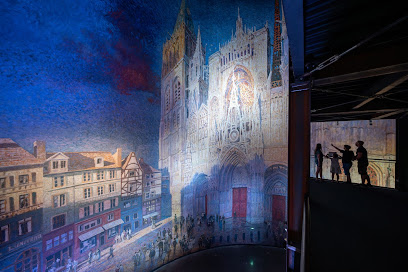
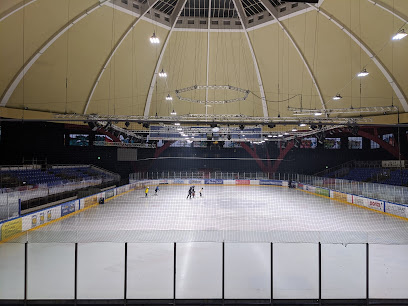
Kohlrabizirkus Eisarena
1.9 km
Experience the joy of ice skating at Kohlrabizirkus Eisarena, a lively winter destination in Leipzig perfect for families and friends alike.
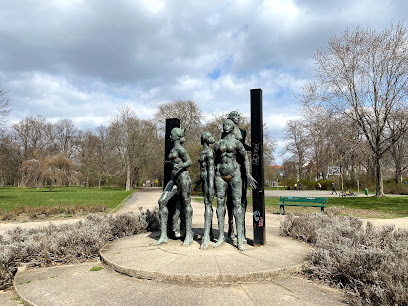
Friedenspark
2.1 km
Explore the tranquil beauty of Friedenspark, Leipzig's urban oasis filled with lush greenery, historical monuments, and vibrant community events.
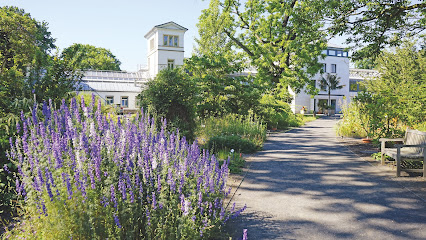
Botanical Garden Leipzig
2.4 km
Explore the lush landscapes and diverse plant collections at the Botanical Garden of Leipzig, a serene escape in the heart of the city.
Urbane Kunst/ Streetart
2.8 km
Explore the vibrant street art scene at Urbane Kunst in Leipzig, where creativity bursts forth from every wall, inviting you to experience the city's artistic flair.
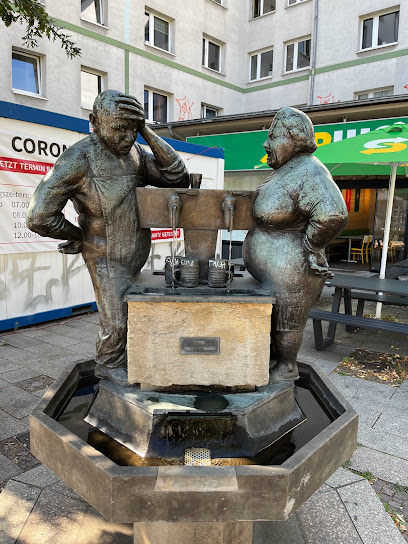
Ausschank Brunnen
2.8 km
Experience the vibrant atmosphere of Ausschank Brunnen, a must-visit tourist attraction in Leipzig, offering local beverages and a cultural retreat.
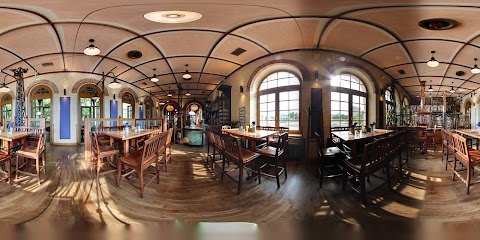
Bayerischer Bahnhof
2.9 km
Experience authentic German cuisine and locally brewed beers at Bayerischer Bahnhof, a culinary gem in the heart of Leipzig.
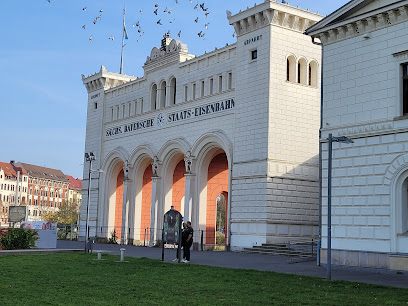
Sächsisch-Bayerischer Bahnhof
2.9 km
Experience the rich history and architectural beauty of Sächsisch-Bayerischer Bahnhof, a cultural gem in the heart of Leipzig, Germany.
Essential places to dine

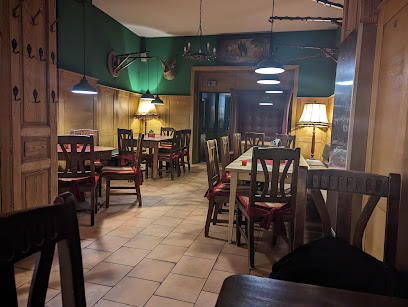
Gaststätte Waldfrieden
2.4 km
Experience authentic German cuisine at Gaststätte Waldfrieden - where tradition meets taste in the heart of Leipzig.
Ristorante Pizzeria Natalina
2.4 km
Discover authentic Italian flavors at Ristorante Pizzeria Natalina in Leipzig – where every dish is crafted with passion and tradition.
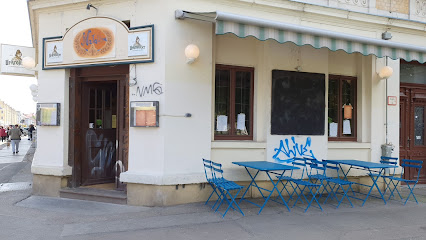
Zest
2.4 km
Discover Zest in Leipzig – where vibrant vegan dishes meet sustainable practices in a cozy atmosphere.
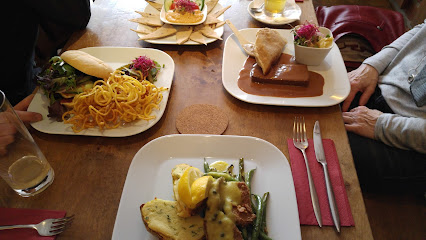
L'Osteria Italiana Leipzig
2.5 km
Discover authentic Italian flavors at L'Osteria Italiana Leipzig – where delicious pizzas meet cozy dining in the heart of Germany.
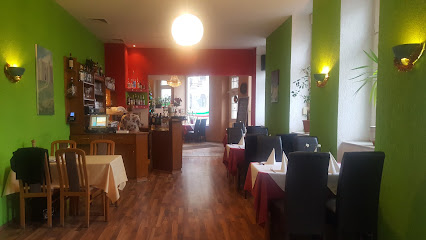
Biermännchen Restaurant Food&Drinks
2.5 km
Savor authentic German cuisine at Biermännchen Restaurant in Leipzig – where tradition meets taste in every dish.
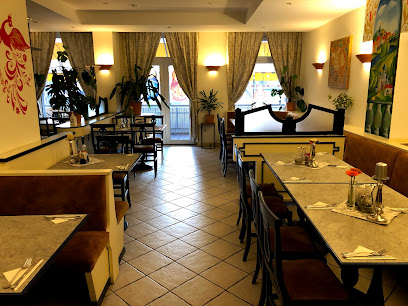
Paps
2.6 km
Experience the best of Leipzig's culinary scene at Paps, where fresh ingredients meet delightful flavors in a cozy atmosphere.
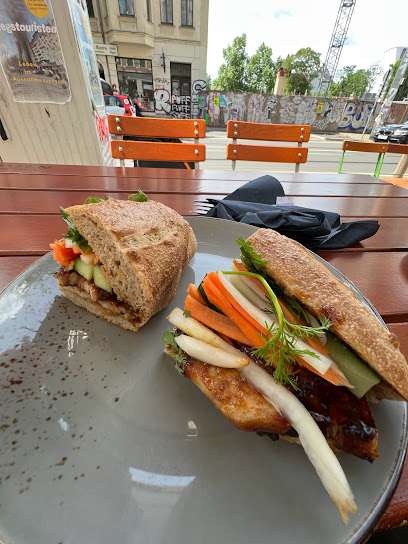
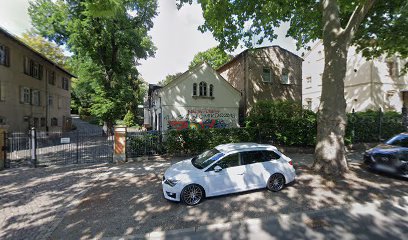
Restaurant Oase
2.7 km
Discover authentic German cuisine at Restaurant Oase in Leipzig's Süd district - where flavor meets warmth.
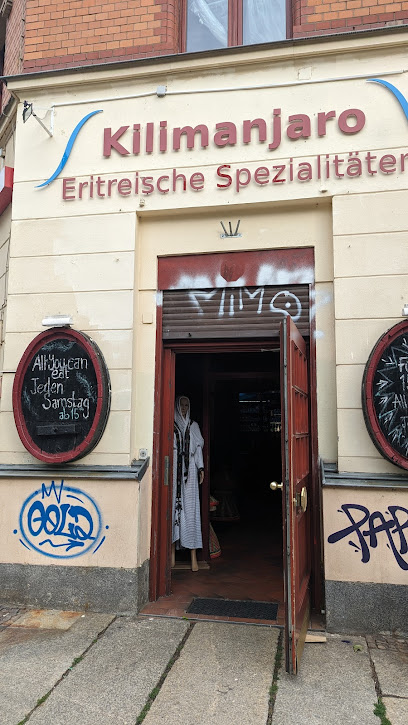
kilimanjaro
2.7 km
Discover authentic Eritrean cuisine at Kilimanjaro Restaurant in Leipzig—where tradition meets flavor in every bite.
Watan Restaurant
2.8 km
Experience authentic flavors at Watan Restaurant in Leipzig – a must-visit destination for food lovers seeking unique culinary delights.

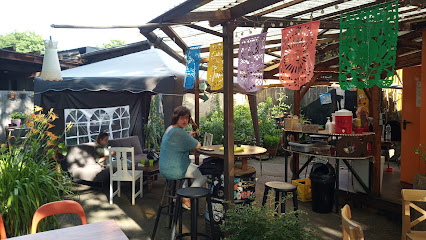
Atacolypse
2.8 km
Experience vibrant vegan cuisine at Atacolypse in Leipzig – where fast food meets Tex-Mex flair for an unforgettable meal.
Shahia II
2.8 km
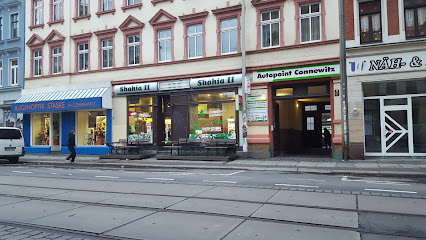
Experience authentic vegan Middle Eastern cuisine at Shahia II, where every dish is crafted from fresh ingredients for a delightful dining experience.
Deli
2.8 km
Explore the best of vegan cuisine at Dein Deli in Leipzig - where delicious meets healthy in every bite.
Antique Restaurant
2.8 km
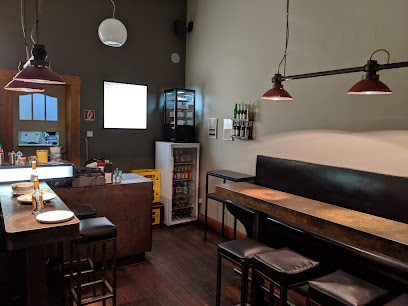
Discover authentic Syrian flavors at Antique Restaurant in Leipzig – where every meal tells a story through exquisite tastes.
La Cosita Restaurant & Bar
2.9 km
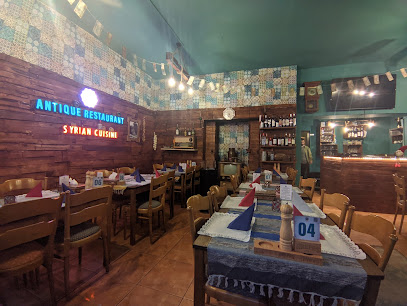
Savor authentic Cuban cuisine at La Cosita Restaurant & Bar in Leipzig—where vibrant flavors meet lively atmosphere.
Gaststätte Kollektiv
3.0 km
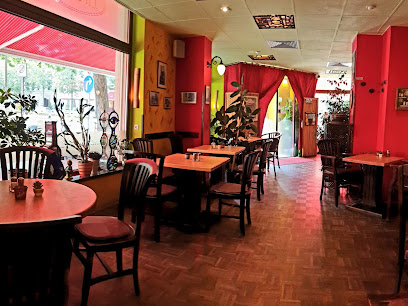
Experience authentic local flavors at Gaststätte Kollektiv - Leipzig's cozy restaurant known for fresh ingredients and inviting atmosphere.
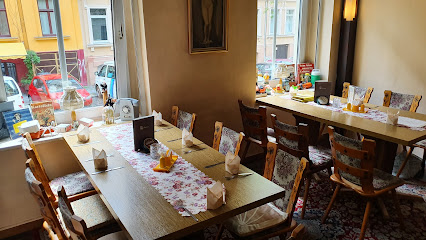
Markets, malls and hidden boutiques

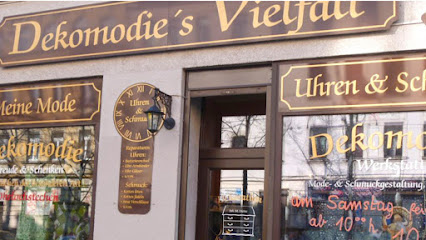
Dekomodie - Unikate von Schmuck und Kleidung
2.4 km
Explore Dekomodie in Leipzig for unique handcrafted jewelry, personalized clothing alterations, and a vibrant shopping experience that embodies local artistry.
Netto Filiale
2.6 km
Explore Netto Filiale in Leipzig for fresh local produce and a taste of everyday German shopping culture.
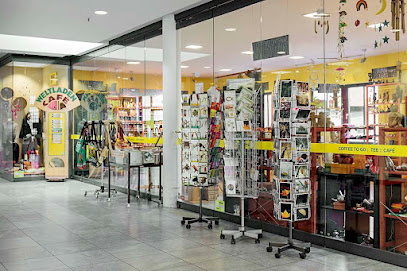
Weltladen Connewitz - Filiale Connewitz
2.6 km
Discover organic delights and fair trade treasures at Weltladen Connewitz, Leipzig's charming grocery store for chocolate, coffee, and tea lovers.
Julada Concept Store
2.7 km
Explore Leipzig's creative spirit at Julada Concept Store, your go-to destination for unique gifts and locally crafted treasures.

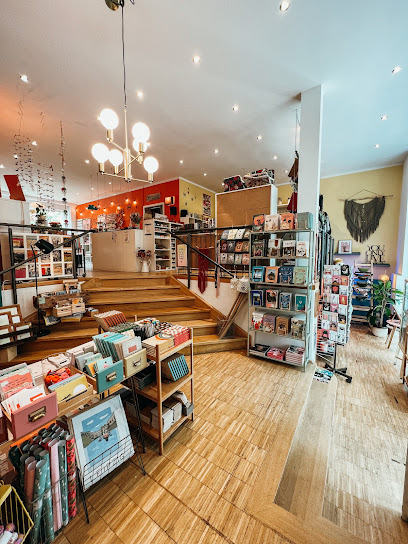
Blaupause Papeterie-Künstlerbedarf
2.7 km
Explore Blaupause Papeterie/Künstlerbedarf in Leipzig for a delightful selection of art supplies, stationery, and unique gifts in a charming atmosphere.
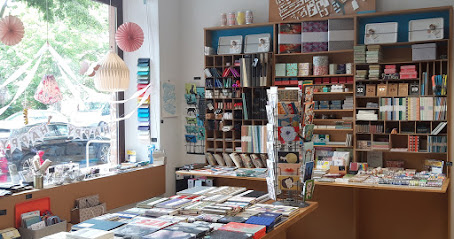
No. 1 Mode
2.8 km
Explore No. 1 Mode in Leipzig for a unique selection of trendy apparel that embodies the city's vibrant fashion scene, perfect for every style enthusiast.

ka:put:
2.8 km
Discover contemporary German fashion at ka:put: in Leipzig, where style meets quality in an inviting shopping atmosphere.
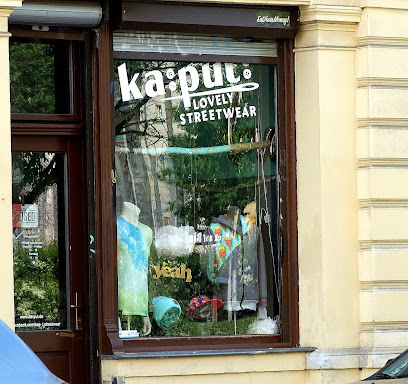
No Borders Shop
2.8 km
Explore a unique shopping experience at No Borders Shop in Leipzig, featuring trendy clothing and accessories that celebrate local fashion.
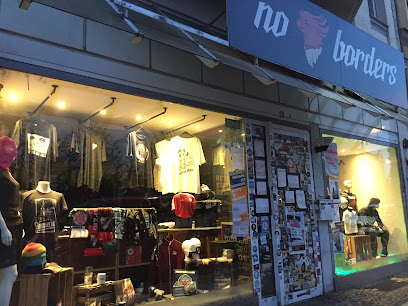
Gothic thrift - Gothic, punk, metal
2.8 km
Explore Gothic Thrift in Leipzig for a captivating selection of gothic, punk, and metal fashion in a welcoming and eclectic atmosphere.
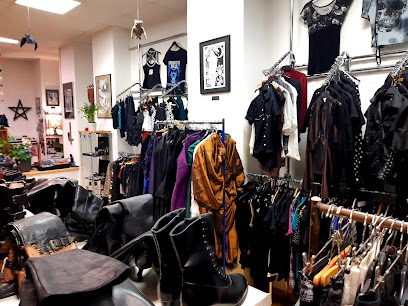
Style Against Idiots Streetwear
2.9 km
Discover unique streetwear at Style Against Idiots in Leipzig, where fashion meets art in an unforgettable shopping experience.
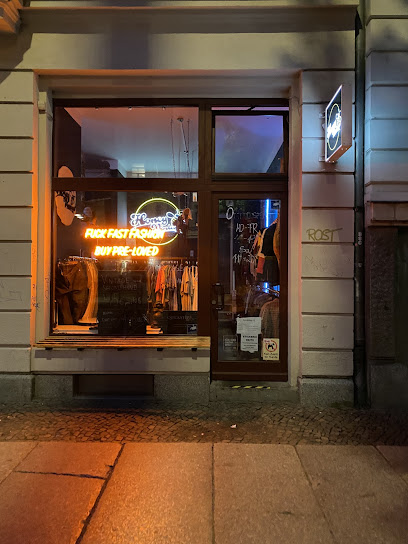
Honey Vintage Store Leipzig
2.9 km
Explore the charm of the past at Honey Vintage Store Leipzig, where unique vintage fashion treasures await every style enthusiast.
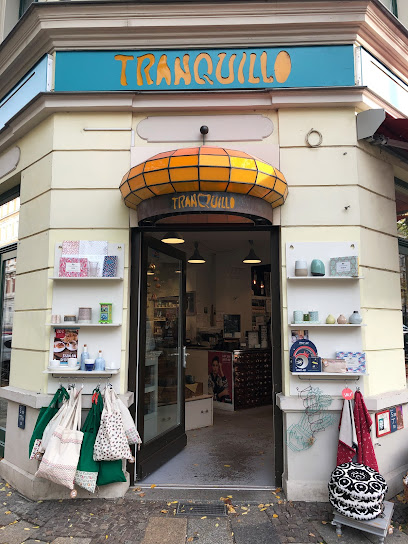
TRANQUILLO Leipzig-Südvorstadt
2.9 km
Discover stylish and sustainable fashion at TRANQUILLO Leipzig-Südvorstadt, a boutique committed to ethical clothing and unique designs.
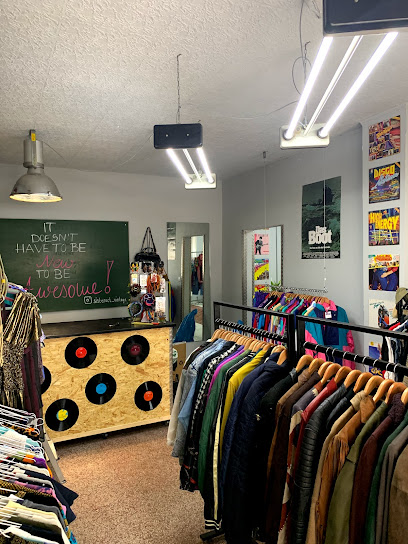
SisterAct Vintage Secondhand
3.0 km
Explore unique vintage fashion at SisterAct Vintage Secondhand in Leipzig, where every piece has a story waiting to be discovered.
VIELFACH - LEIPZIG
3.0 km
Explore VIELFACH in Leipzig, where unique gifts and local craftsmanship come together to create unforgettable souvenirs.
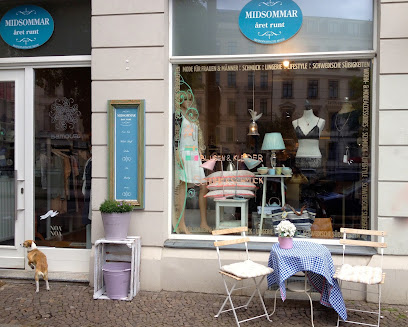
Midsommar aret runt UG
3.1 km
Discover unique women's fashion at Midsommar Aret Runt UG, a charming boutique in Leipzig, blending local flair with stylish apparel.
Essential bars & hidden hideouts

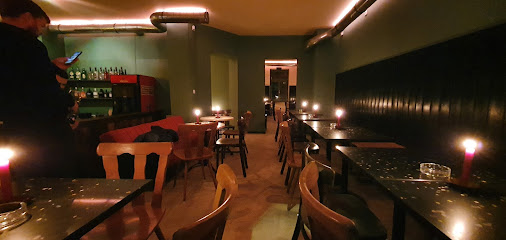
Maex
2.6 km
Experience Leipzig's nightlife at Maex, a cozy bar in Süd offering a diverse drink selection and a welcoming atmosphere for all.
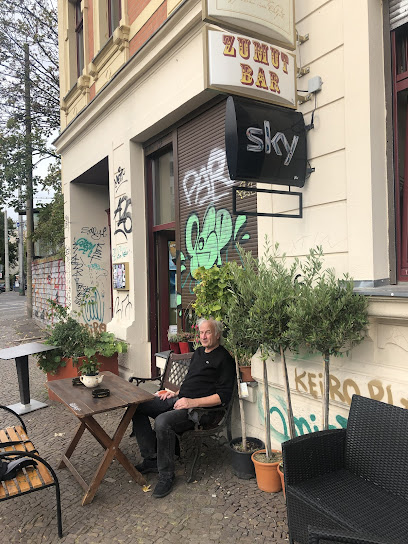
ZumutBar
2.8 km
Discover the artistic spirit of Leipzig at ZumutBar, a vibrant bar offering diverse drinks and a welcoming ambiance for all visitors.
Zwille
2.8 km
Discover the warm and inviting ambiance of Zwille, a local pub in Leipzig offering delicious drinks and a taste of authentic German culture.
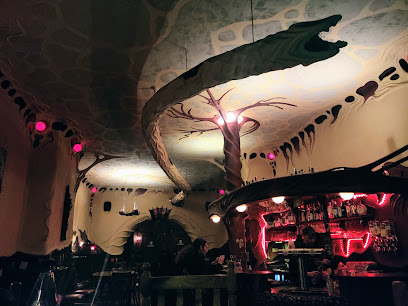
Könich Heinz
2.8 km
Könich Heinz: A cozy pub in Leipzig offering a delightful selection of drinks and a warm atmosphere for an unforgettable evening.
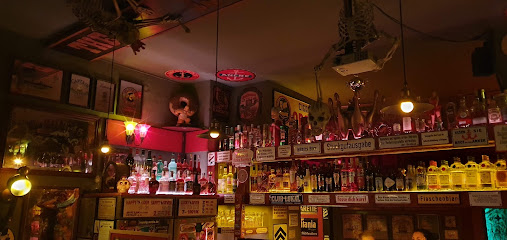
Suedbrause - bei Freunden
2.8 km
Experience the charm of Leipzig at Suedbrause, where delightful food, refreshing drinks, and a vibrant atmosphere await.
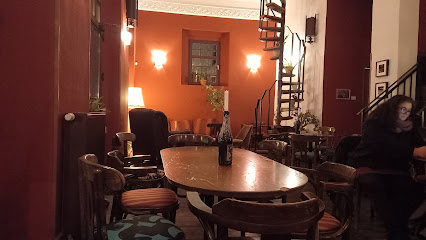
Jet
2.8 km
Discover Jet in Leipzig – your go-to cocktail bar, pub, and sports haven for unforgettable nights filled with fun and flavor.
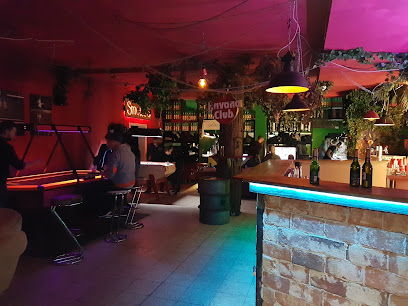
Dr. Hops - Craft Beer Bar
2.8 km
Discover the finest selection of craft beers at Dr. Hops, Leipzig's premier craft beer bar, where every sip tells a story.
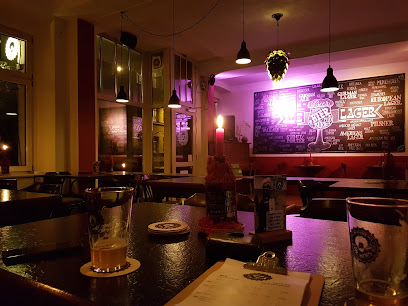
Betten Költzsch
2.8 km
Discover Betten Költzsch in Leipzig - a cozy pub offering authentic German cuisine and local beverages in a charming atmosphere.
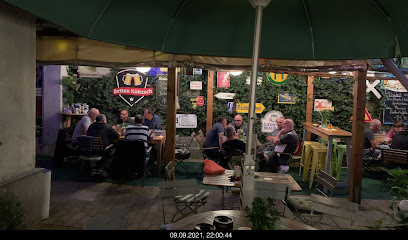
Black Label - Leipzig
2.9 km
Discover Black Label, a lively bar in Leipzig offering a perfect blend of drinks, delicious bites, and vibrant nightlife in a stylish atmosphere.
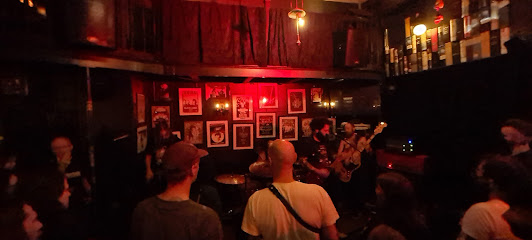
Noel's Ballroom
2.9 km
Discover Noel's Ballroom, a lively Irish pub in Leipzig, offering a warm atmosphere, delicious food, and a wide selection of drinks, perfect for tourists and locals alike.
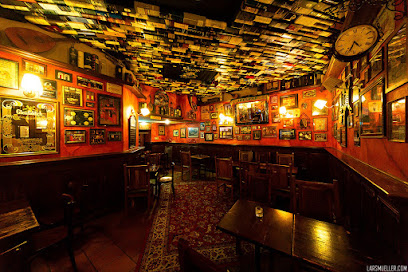
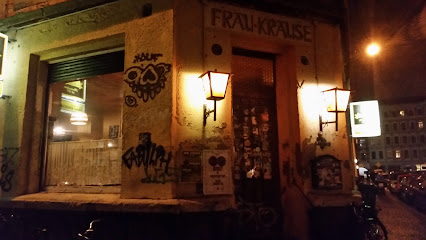
Frau Krause
2.9 km
Experience the heart of Leipzig at Frau Krause, a cozy pub offering delicious food and an extensive drink selection in a welcoming atmosphere.
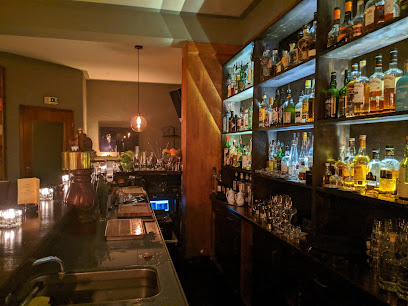
Rorschach Bar
2.9 km
Experience Leipzig's vibrant nightlife at Rorschach Bar, where creative cocktails and a welcoming ambiance await every guest.
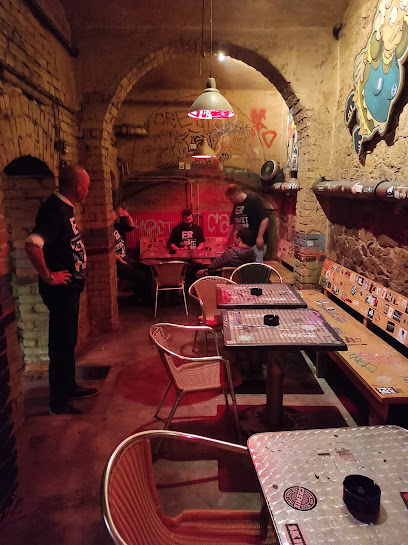
Kicker's In - Leipzig
3.0 km
Discover Kicker's In, a lively bar in Leipzig, perfect for enjoying local drinks and vibrant nightlife with friends and fellow travelers.
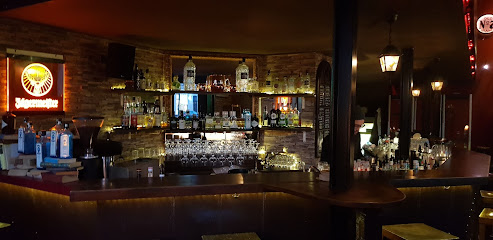
Barfly
3.0 km
Discover the vibrant atmosphere and innovative cocktails at Barfly, a top cocktail bar in Leipzig, perfect for nightlife and sports enthusiasts.
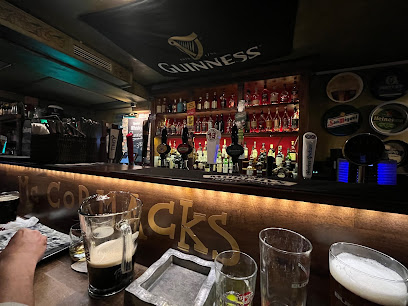
McCormacks Irish Pub & Lounge
3.0 km
Discover the heart of Irish culture at McCormacks Irish Pub & Lounge in Leipzig, where great food and friendly vibes await every visitor.