Archaeological Park of Herculaneum: A City Frozen in Time
Explore the remarkably preserved Roman town of Herculaneum, frozen in time by the eruption of Mount Vesuvius in 79 AD.
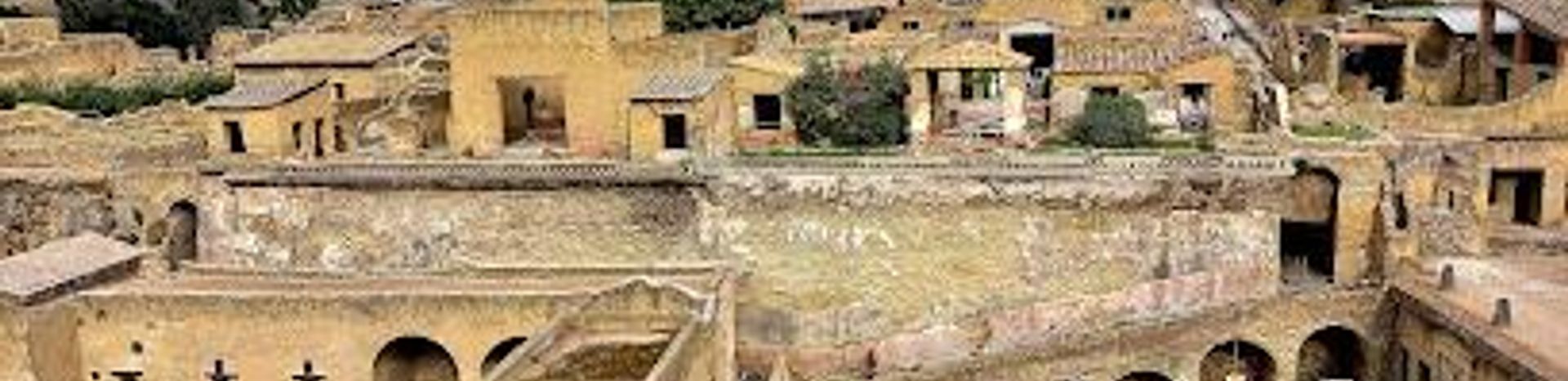
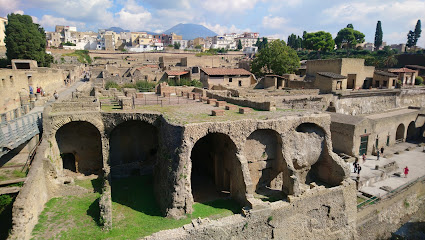
The Archaeological Park of Herculaneum offers a remarkably preserved glimpse into Roman life before the catastrophic eruption of Mount Vesuvius in 79 AD. Smaller and wealthier than Pompeii, Herculaneum showcases lavishly decorated villas, carbonized wooden structures, and well-preserved organic materials, providing a unique window into the daily lives of its ancient residents.
A brief summary to Archaeological Park of Herculaneum
- Corso Resina, 187, Ercolano, Metropolitan City of Naples, 80056, IT
- +390810106490
- Visit website
- Monday 8:30 am-3:30 pm
- Tuesday 8:30 am-3:30 pm
- Wednesday 8:30 am-3:30 pm
- Thursday 8:30 am-3:30 pm
- Friday 8:30 am-3:30 pm
- Saturday 8:30 am-3:30 pm
- Sunday 8:30 am-3:30 pm
Local tips
- Wear comfortable shoes, as you'll be walking on uneven ancient Roman roads and sidewalks.
- Bring water and snacks, especially during the warmer months, as there are limited options inside the archaeological park.
- Consider visiting during the off-season (November to March) for fewer crowds and a more personal experience.
- Purchase tickets online in advance to avoid long queues, especially during peak season.
- Take a guided tour to fully appreciate the history and significance of the ruins.

Getting There
-
Public Transport
The easiest way to reach Herculaneum is by taking the Circumvesuviana train from Naples or Sorrento. From Naples, take the train towards Sorrento and get off at the Ercolano Scavi station. The journey takes approximately 20 minutes from Naples. From the Ercolano Scavi station, it's a 6-8 minute walk to the entrance of the Archaeological Park. A single train ticket costs around €2-3. Alternatively, the Campania Express tourist train offers guaranteed seats and air conditioning for around €15 one way.
-
Walking
From the Ercolano Scavi train station, exit and follow the signs towards the Archaeological Park of Herculaneum. The walk is mostly downhill and takes about 6-8 minutes. The route is well-marked and passes through the town center. There are several restaurants and cafes along the way where you can stop for refreshments.
-
Taxi
Taxis are available from Naples and the Naples Airport to Herculaneum. A taxi from Naples to Herculaneum will cost approximately €20-€30, depending on traffic and the time of day. Ensure the meter is running or negotiate a fare before starting your journey. A round trip taxi from Naples, including a 2-hour wait at the ruins, has a flat rate of €70.
-
Driving
If driving, take the A3 Napoli-Salerno highway and exit at Ercolano-Portici. Follow the brown signs for the archaeological area (scavi). Parking is available in an underground lot near the site for €2-€5 per hour. There is also a municipal parking lot on Viale dei Papiri Ercolanesi. Be aware that traffic in the area can be heavy, and parking may be limited.
Discover more about Archaeological Park of Herculaneum
Iconic landmarks you can’t miss

Herculaneum Hotel & Maison
0.0 km
Experience the perfect blend of history, comfort, and convenience at Herculaneum Hotel & Maison, your ideal base for exploring Ercolano and the Amalfi Coast.

Ruins B&B
0.1 km
Experience the charm of Ercolano at Ruins B&B, where cozy comfort meets breathtaking views and rich historical exploration.
Burger Vi.P.
0.1 km
Discover the taste of Italy at Burger Vi.P., a top gastropub in Ercolano, serving delicious sandwiches and traditional dishes in a vibrant atmosphere.
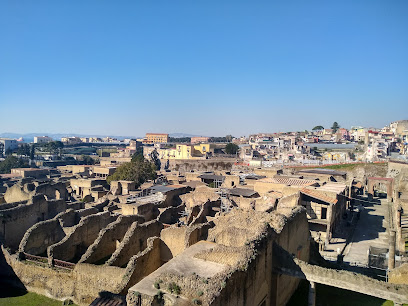
Casa Sannitica
0.1 km
Discover the charm of Ercolano while enjoying a cozy stay at Casa Sannitica, your perfect home base for exploring southern Italy's rich history and vibrant culture.
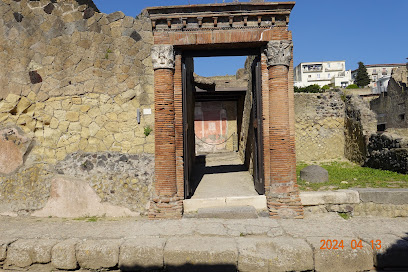
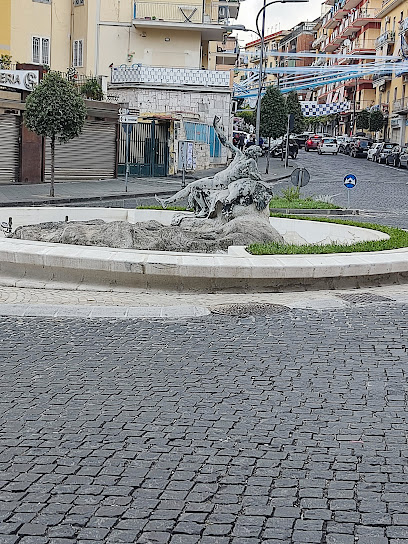
monumento alle pezze di via Pugliano
0.3 km
Explore the Monument to the Pezze of Via Pugliano in Ercolano, a serene tribute to local resilience and community spirit steeped in history.
Herculaneum Parking
0.3 km
Explore the ancient wonders of Herculaneum with convenient parking that puts you steps away from history in Ercolano, Italy.
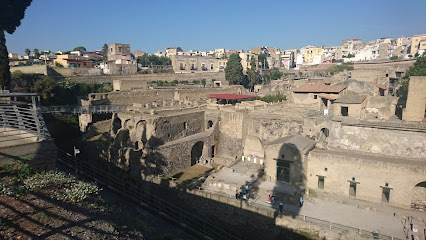
Herculaneum home
0.4 km
Experience the charm of Herculaneum Home, a cozy bed & breakfast near the ancient ruins of Herculaneum, blending history and hospitality.
Via dei Papiri Ercolanesi, 3
0.4 km
Experience the historic Via dei Papiri Ercolanesi in Ercolano, where ancient architecture meets vibrant local culture.
B&B HERCULANEUM RUINS
0.5 km
Stay at B&B Herculaneum Ruins for a delightful blend of comfort and history near the ancient ruins of Herculaneum, Italy.
Discover South - Tour Operator Campania
0.6 km
Explore Campania's beauty with Discover South, your trusted tour operator in Ercolano, offering curated experiences of history, nature, and culinary delights.
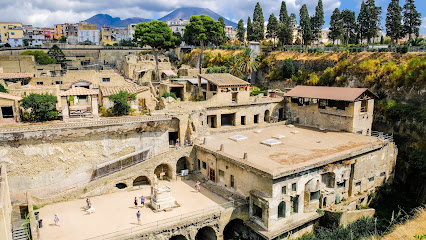
Ercolano Scavi
0.6 km
Discover the ancient ruins of Ercolano Scavi, a UNESCO World Heritage site, where history comes alive in the shadow of Vesuvius.
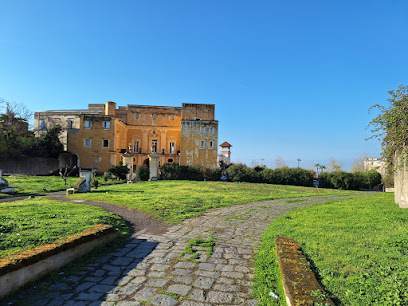
Villa Ruggiero
0.7 km
Discover Villa Ruggiero in Ercolano, a stunning tourist attraction boasting historical architecture and serene gardens, perfect for a peaceful getaway.
Hercules War
0.7 km
Experience the thrill of Hercules War Amusement Center in Ercolano, where fun and excitement await for visitors of all ages.

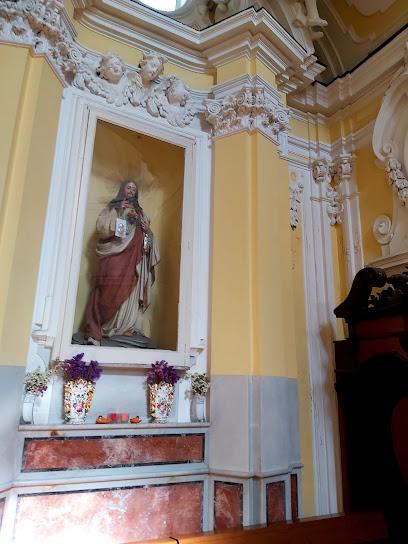
Church of Saint Mary 'del Pilar'
1.1 km
Explore the Church of Saint Mary 'del Pilar' in Ercolano for a peaceful cultural experience in Italy's rich spiritual heritage.
Ruins Vesuvius
1.4 km
Immerse yourself in the charm of Ercolano at Ruins Vesuvius, a cozy bed and breakfast near the majestic Mount Vesuvius and ancient archaeological wonders.
Unmissable attractions to see

Casa del Bicentenario
0.1 km
Discover the Casa del Bicentenario in Ercolano, a museum showcasing the ancient treasures and vibrant history of the region.
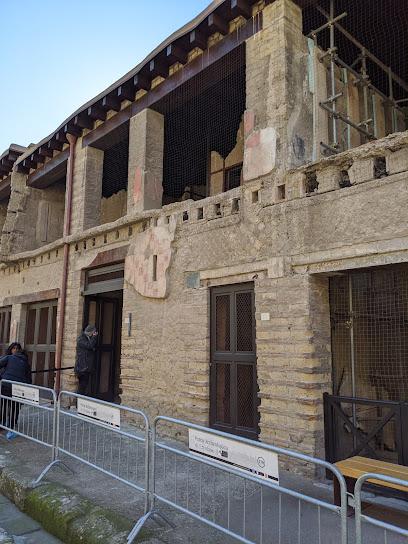
コリント式アトリウムの家 Casa dell'Atrio Corinzio
0.1 km
Discover the rich history of ancient Rome at the Casa dell'Atrio Corinzio in Ercolano, a museum showcasing exquisite architecture and artifacts.
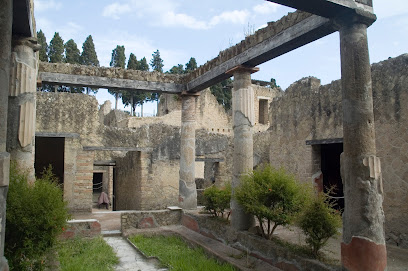
Casa del bel cortile
0.1 km
Explore Casa del Bel Cortile, a historical landmark in Herculaneum showcasing exquisite Roman architecture and stunning frescoes.

Vestibolo della Palestra
0.1 km
Explore the ancient splendor of the Vestibolo della Palestra in Ercolano, a captivating glimpse into the grandeur of Roman public life.
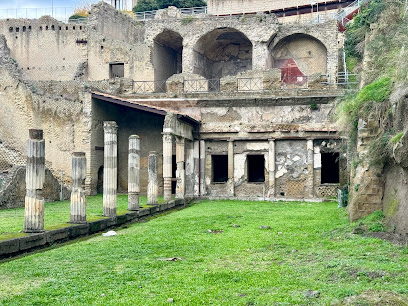
House of the Black Salon
0.1 km
Explore the House of the Black Salon in Herculaneum, a captivating glimpse into ancient Roman life with exquisite frescoes and architecture.

House of Neptune and Amphitrite
0.1 km
Explore the ancient beauty of the House of Neptune and Amphitrite in Ercolano, where history, art, and architecture intertwine.
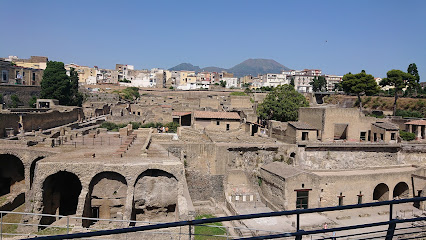
Grande Taberna
0.1 km
Explore the Grande Taberna in Ercolano, a remarkable historical landmark that reveals the rich tapestry of ancient Roman life and culture.
College of the Augustales (Herculaneum)
0.1 km
Immerse yourself in ancient Roman culture at the College of the Augustales in Herculaneum, a hidden gem near Naples showcasing stunning frescoes and rich history.
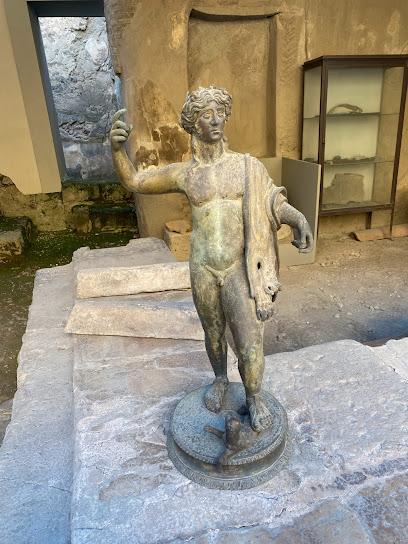
Sacello degli Augustali
0.1 km
Explore the enchanting Sacello degli Augustali, a magnificent monument in Ercolano revealing the rich tapestry of Roman history and architecture.
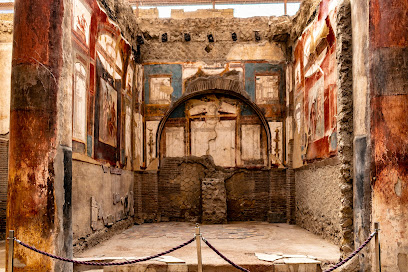
Casa dei Due Atri
0.1 km
Discover the rich history and architectural beauty of Casa dei Due Atri, a must-visit landmark in Ercolano, near Naples, Italy.
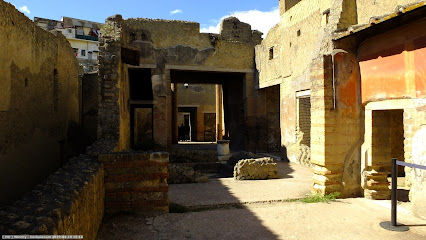
Terme Urbane
0.2 km
Discover the healing waters of Terme Urbane in Ercolano, where relaxation meets cultural richness in a stunning coastal setting.
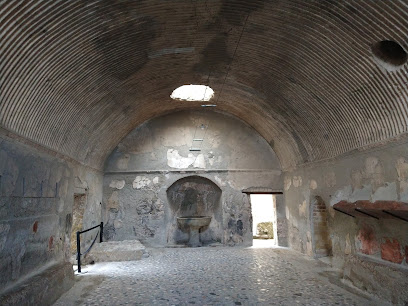
Casa del Rilievo di Telefo
0.2 km
Explore the Casa del Rilievo di Telefo, a hidden gem of Roman artistry in Ercolano, showcasing stunning historical reliefs that narrate ancient tales.

Casa dell'Alcova
0.2 km
Explore the breathtaking Casa dell'Alcova, a historical landmark in Herculaneum that reveals the splendor of ancient Roman life through its stunning frescoes and mosaics.
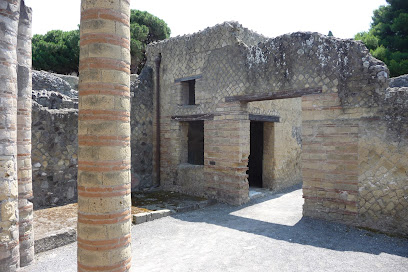
Casa del Tramezzo di Legno
0.2 km
Discover the enchanting Casa del Tramezzo di Legno in Ercolano, a historical landmark showcasing exquisite Italian craftsmanship amid vibrant local culture.
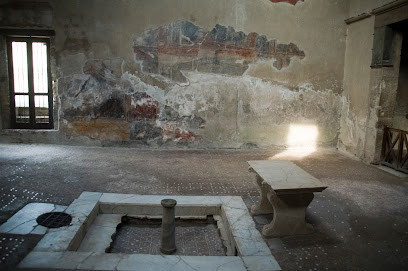
House of the Gem - Excavations
0.2 km
Explore the exquisite artistry of the House of the Gem in Ercolano, a captivating archaeological treasure showcasing Roman history.
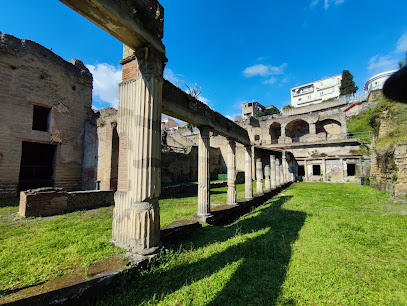
Essential places to dine

Pappamonte
0.0 km
Experience authentic Italian cuisine at Pappamonte in Ercolano, where every dish tells a story of tradition and flavor.
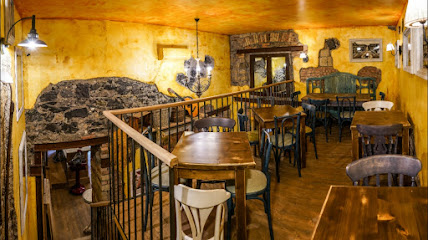
Longobardi Mario
0.1 km
Experience the heart of Italy with every bite at Longobardi Mario – where authentic pizza meets warm hospitality in Ercolano.
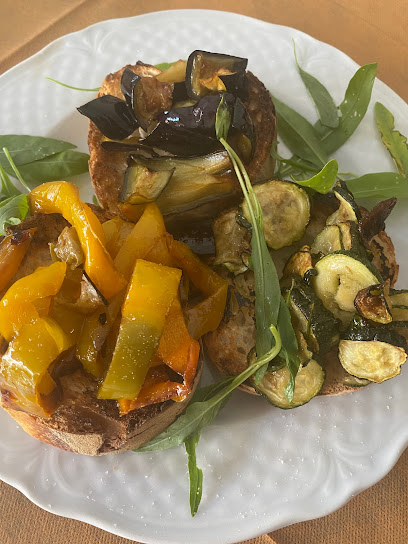
Caffe Ristorante Pizzeria
0.1 km
Discover authentic Italian flavors at Caffe Ristorante Pizzeria in Portici – where every dish tells a story.
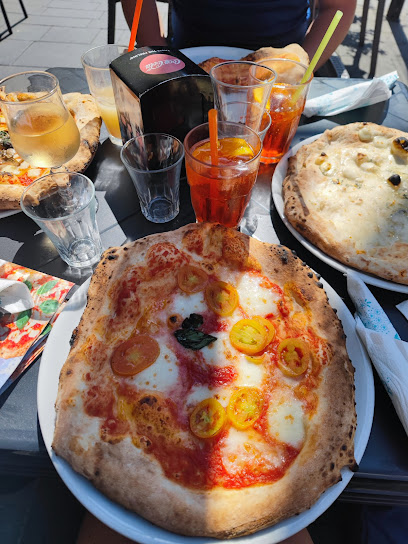
ristorante pizzeria degli scavi da Ernesto
0.1 km
Experience authentic Italian flavors at Ristorante Pizzeria Degli Scavi da Ernesto in Ercolano—where tradition meets taste in every dish.
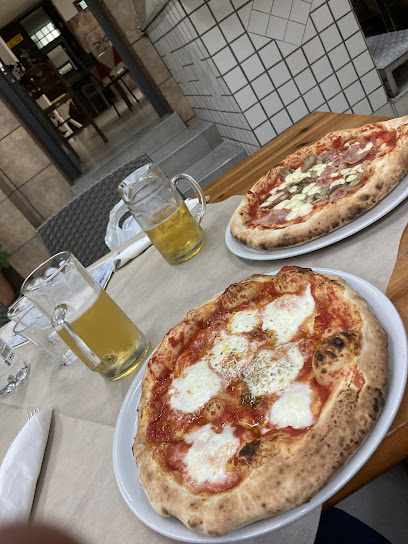
Spagaeteria
0.1 km
Experience authentic Italian cuisine at Spagaeteria in Ercolano – where tradition meets flavor in every dish.
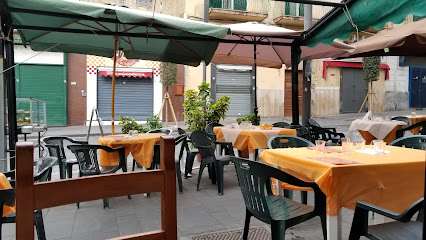
Pizzeria Ro.Vi
0.1 km
Discover authentic Neapolitan pizza at Pizzeria Ro.Vi in Ercolano – where every slice tells a story of tradition and flavor.
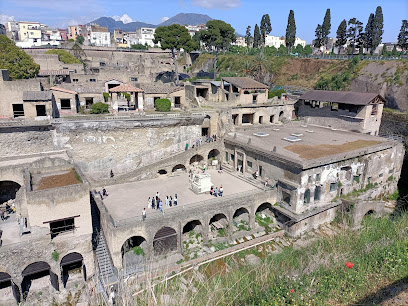
Pizzetteria Pappamonte 4.11
0.1 km
Experience authentic Neapolitan pizza at Pizzetteria Pappamonte in Ercolano – where every slice tells a story.
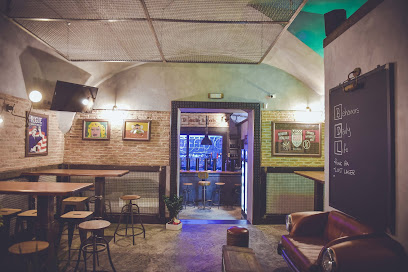
La Briciola
0.1 km
Experience the authentic taste of Italy at La Briciola, renowned for its delicious panuozzo and inviting atmosphere in Ercolano.
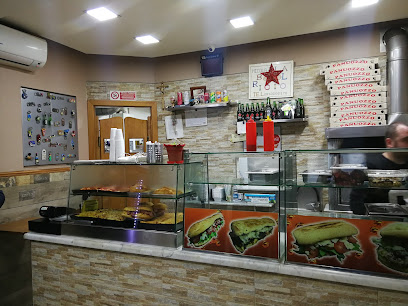
Paninoteca Da Anna E Genny
0.3 km
Discover authentic Italian sandwiches at Paninoteca Da Anna E Genny in Ercolano, where flavor meets tradition in every bite.
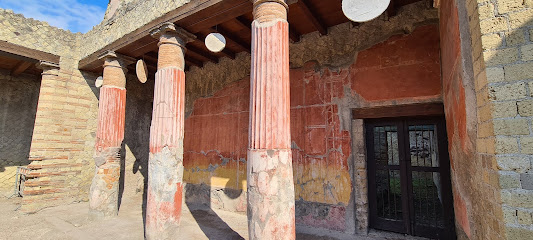
Bistrot Italia
0.3 km
Experience authentic Italian flavors at Bistrot Italia in Ercolano – where every meal is a celebration of tradition and taste.
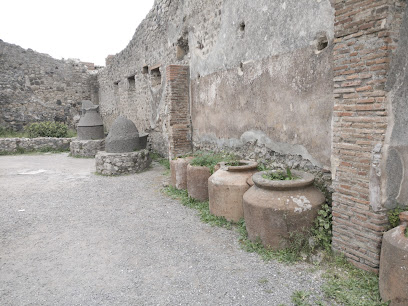
La Terra d'Ercole
0.3 km
Discover authentic Italian cuisine at La Terra d'Ercole, famous for its delicious pizzas and welcoming atmosphere in Ercolano.
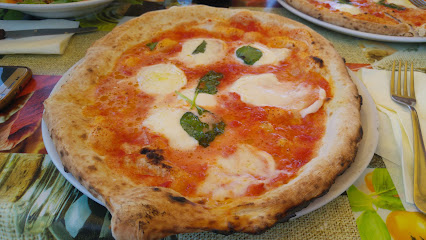
PANILANDIA-paninoteca
0.3 km
Discover PANILANDIA: where gourmet paninis meet authentic Italian flavors in the heart of Ercolano.
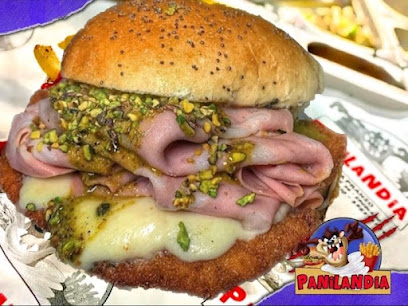
La maison de la pizza
0.3 km
Savor authentic Italian pizza at La Maison de la Pizza in Ercolano - where every slice tells a story.
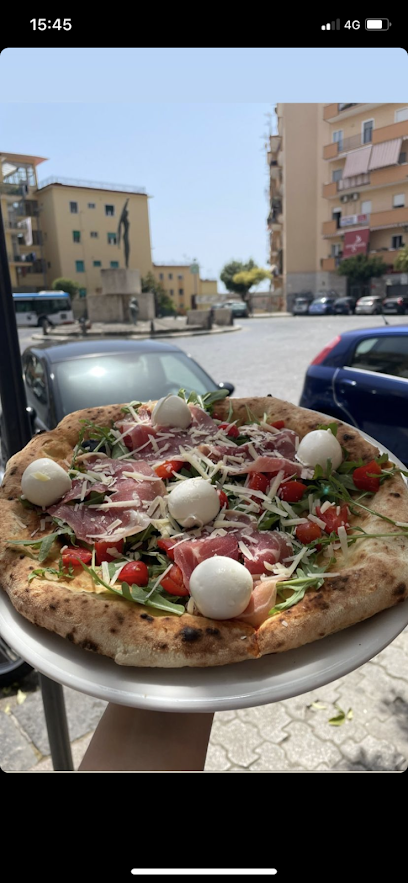
Pizzeria Luna Caprese
0.3 km
Experience authentic Neapolitan pizza at Pizzeria Luna Caprese in Ercolano - where tradition meets flavor in every bite.
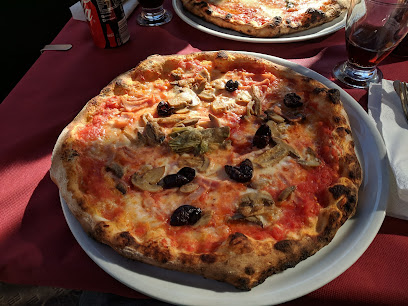
Tubba Catubba
0.4 km
Savor exquisite Italian seafood at Tubba Catubba in Ercolano, where tradition meets flavor in every dish.
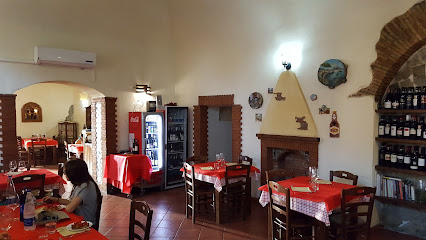
Markets, malls and hidden boutiques

Umami Bakery Bistrot
0.1 km
Discover Umami Bakery Bistrot in Ercolano for an unforgettable culinary experience with gourmet dishes, artisanal sweets, and a cozy atmosphere.
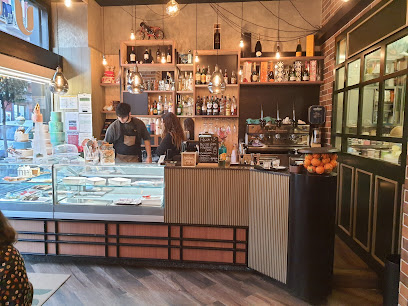
Erco Rètro Vintage Store
0.2 km
Explore unparalleled vintage fashion at Erco Rètro Vintage Store in Ercolano, where every piece tells a story of style and history.
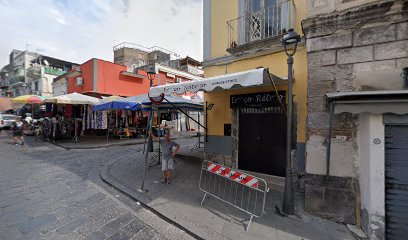
Biglietteria Ercolano
0.2 km
Explore the ancient wonders of Herculaneum at Biglietteria Ercolano, your starting point for an unforgettable archaeological adventure.
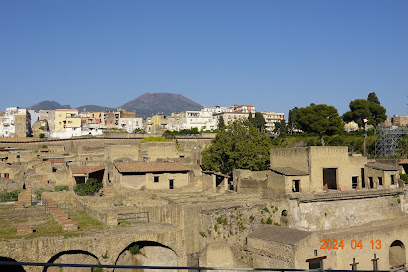
Il Forno Di Sofia
0.2 km
Discover the authentic flavors of Italy at Il Forno Di Sofia, Ercolano's charming bakery offering a delightful array of freshly baked pastries and breads.
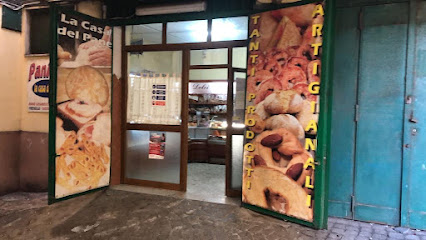
Rosçìr Cafè
0.3 km
Discover the delightful Rosçìr Cafè in Ercolano, where rich coffee and exquisite desserts await in a cozy, inviting atmosphere.
Outlet History
0.4 km
Explore stylish plus-size clothing and formal wear at Outlet History in Ercolano, where fashion meets diversity and unique styles await.

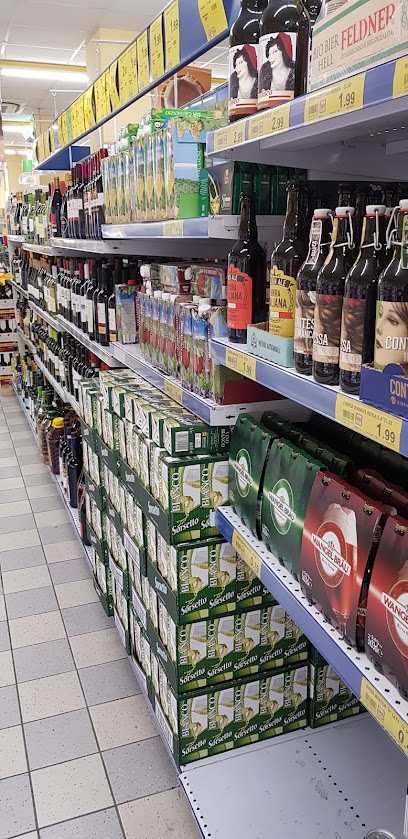
MD S.p.A.
0.4 km
Discover authentic Italian flavors at MD S.p.A. in Ercolano – a vibrant supermarket offering local produce, baked goods, and gourmet specialties.
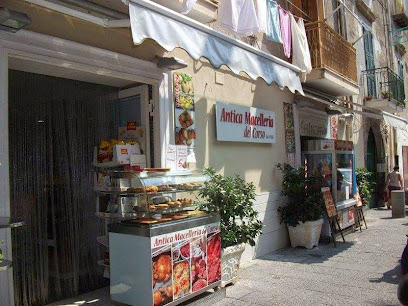
Antica Macelleria Del Corso
0.4 km
Discover the authentic taste of Italy at Antica Macelleria Del Corso, a butcher shop offering exquisite cold cuts and fresh deli delights in Ercolano.
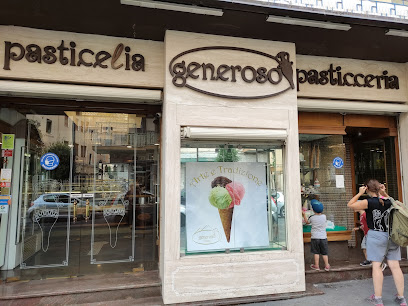
Pasticceria Generoso
0.5 km
Savor the finest pastries, cakes, and ice cream at Pasticceria Generoso in Ercolano, where every bite is a taste of Italian tradition.
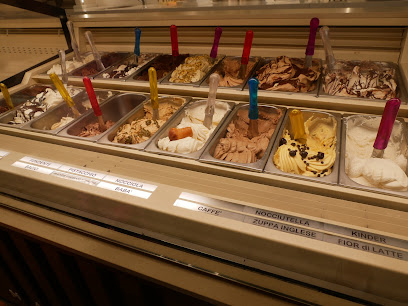
Gelateria Cioccolateria
0.5 km
Experience the rich flavors of Italy at Gelateria Cioccolateria in Ercolano, a must-visit ice cream shop for every traveler.
Paninoteca - La Isla Bonita
0.5 km
Discover a culinary gem in Ercolano, Paninoteca - La Isla Bonita, where gourmet sandwiches and Italian flavors come together for an unforgettable dining experience.
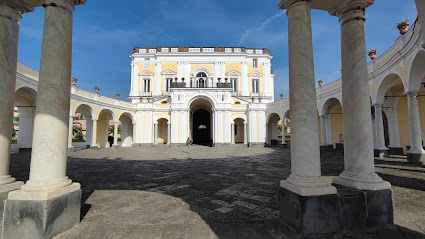
Caffetteria salvo D'acquisto
0.6 km
Experience authentic Italian coffee and local delicacies at Caffetteria Salvo D'Acquisto in Ercolano, where culture and flavor meet.
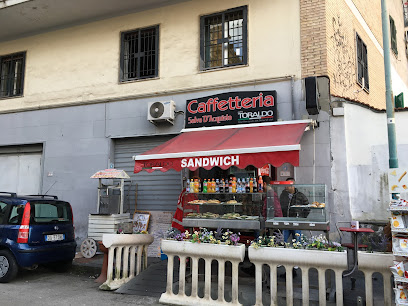
Rocagi Vintage Cinema e Teatro
0.6 km
Experience the charm of classic cinema and vibrant performances at Rocagi Vintage Cinema e Teatro in Ercolano, a cultural gem of Italy.
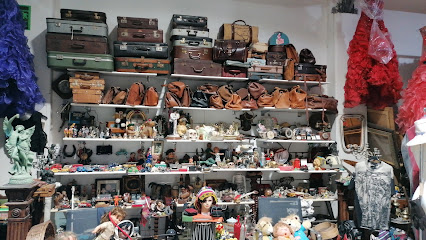
Paninoteca Mato Mato'
0.6 km
Discover the taste of Italy at Paninoteca Mato Mato', where artisan sandwiches meet the vibrant culture of Ercolano.
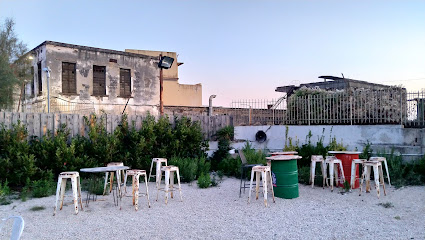
Donadio Corals and Cameos
1.2 km
Explore the exquisite craftsmanship of coral and cameo jewelry at Donadio Corals and Cameos, a unique gem in Portici, Italy.
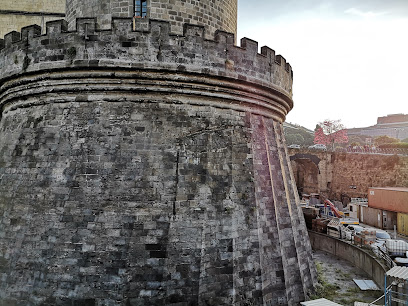
Essential bars & hidden hideouts

Bar Sandwich Herculaneum Cafè
0.0 km
Discover the flavors of Ercolano at Bar Sandwich Herculaneum Cafè, where delicious sandwiches and a cozy atmosphere await.
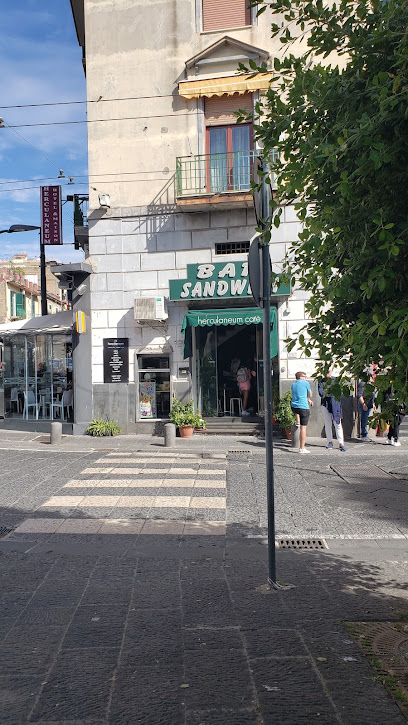
Hercvlanevm Snack Bar
0.0 km
Experience the authentic taste of Ercolano at Hercvlanevm Snack Bar, where local flavors and a warm atmosphere await every visitor.
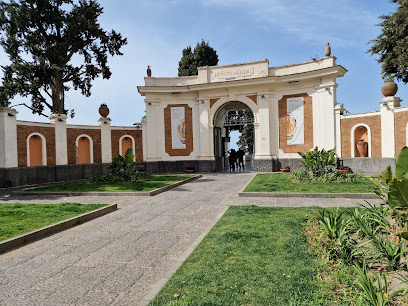
Bar Nunzia
0.1 km
Discover the heart of Ercolano at Bar Nunzia, where authentic Italian flavors and warm hospitality come together in a charming atmosphere.
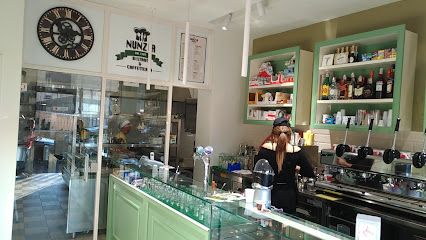
BAR profumo di caffè
0.1 km
Experience the rich flavors of Italian coffee at BAR profumo di caffè, your go-to bar in Ercolano for a delightful coffee journey.
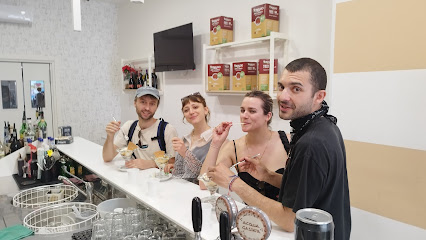
Civico 33
0.3 km
Experience the vibrant atmosphere of Civico 33, a beloved bar in Ercolano, perfect for enjoying drinks, coffee, and local flavors.
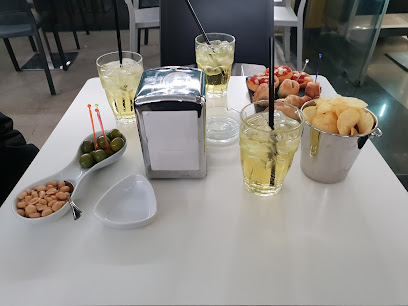
Viva Lo Re
0.5 km
Experience the charm of Italian wine culture at Viva Lo Re, a cozy wine bar in Ercolano, offering exquisite wines and delightful bites.
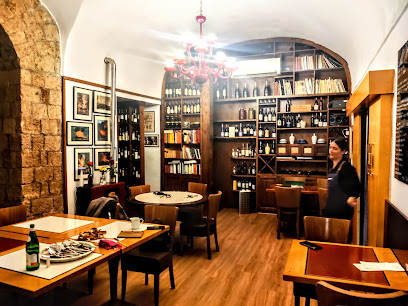
Bar Olimpiade
0.5 km
Experience the vibrant atmosphere and authentic Italian drinks at Bar Olimpiade, a must-visit bar in Ercolano, Italy.
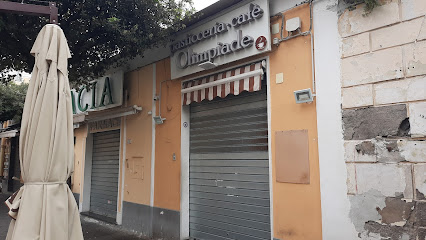
Caffetteria Carmiusina
0.6 km
Experience the warmth of Italian hospitality at Caffetteria Carmiusina, where exquisite coffee and delightful pastries await you in Ercolano.
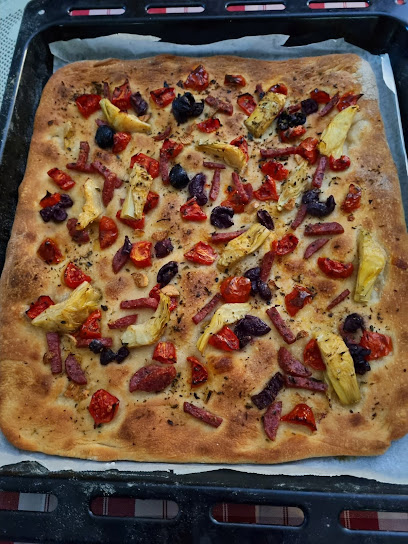
Herculaneum Bar Dei Papiri
0.8 km
Experience the authentic Italian bar culture at Herculaneum Bar Dei Papiri, a cozy spot in Ercolano offering delightful drinks and a warm atmosphere.
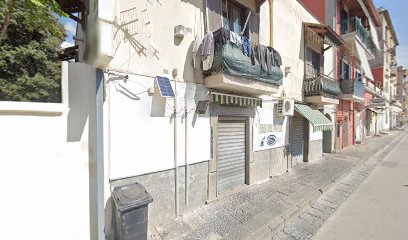
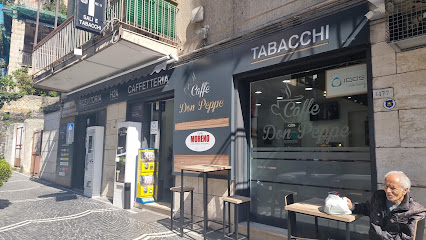
IQOS PREMIUM PARTNER ERCOLANO - Caffè Don Peppe
1.0 km
Discover the flavors of Italy at Caffè Don Peppe, a beloved bar tabac in Ercolano, perfect for coffee lovers and culture seekers alike.
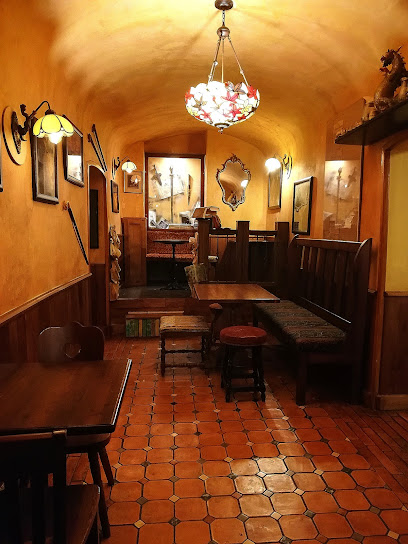
The Shire Pub
1.1 km
Discover the charm of Ireland in Ercolano at The Shire Pub, where hearty meals and a warm atmosphere await every visitor.
Roof Garden Lounge Bar
2.3 km
Experience the enchanting ambiance of Roof Garden Lounge Bar in Ercolano, where exquisite coffee meets captivating live music in a stunning rooftop setting.
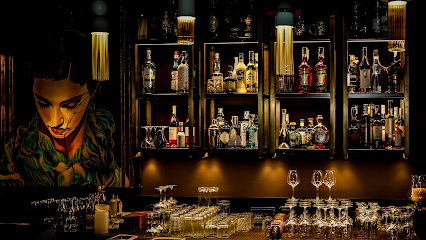
Mamamu Bar
9.0 km
Experience vibrant nightlife at Mamamu Bar in Naples, featuring live music, an extensive beer selection, and a welcoming atmosphere for all.
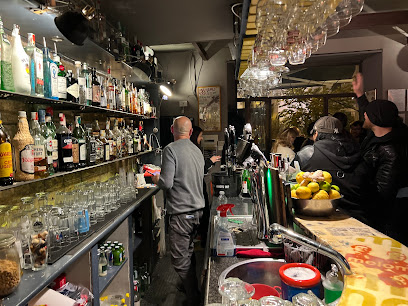
Caffè Spaccanapoli Sas
9.0 km
Experience authentic Neapolitan culture at Caffè Spaccanapoli Sas, a cozy bar serving delicious coffee and pastries in the heart of Naples.
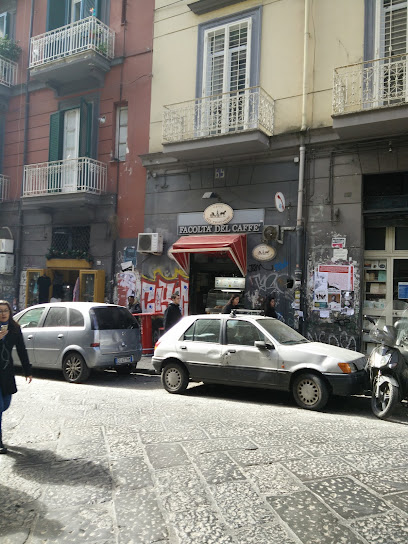
Bucopertuso - Public House
9.0 km
Discover Bucopertuso, a lively Naples public house offering craft beers, cocktails, and wines in a welcoming atmosphere.