Fudarakusan-ji Temple: A Journey to Paradise
Explore Fudarakusan-ji Temple in Wakayama, a UNESCO World Heritage Site and starting point for ancient spiritual sea voyages.
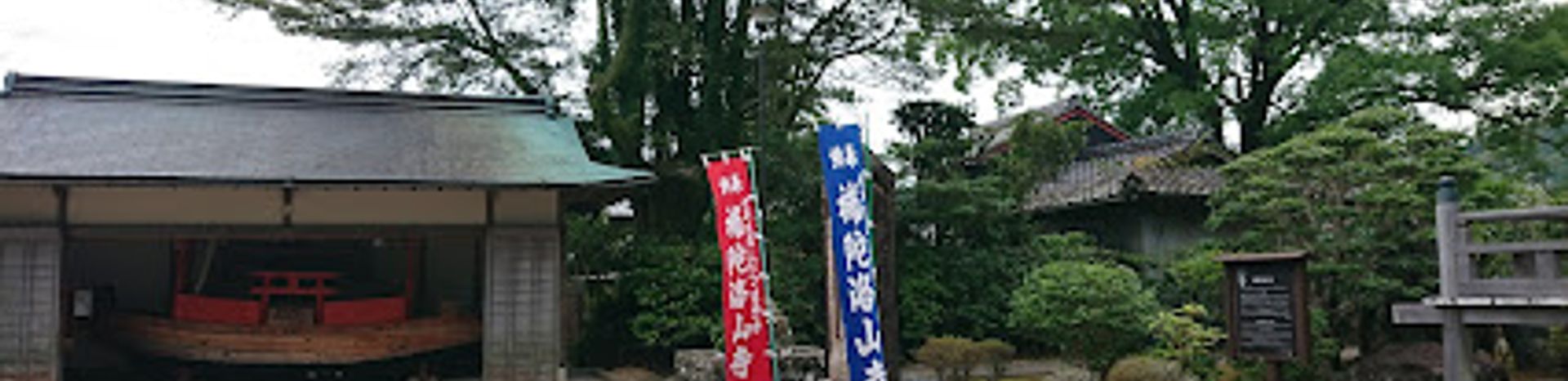
Fudarakusan-ji is a Tendai Buddhist temple in Nachikatsuura, Wakayama, known for the ancient practice of Fudaraku Tokai, where monks set sail to reach the mythical Buddhist paradise of Fudaraku. Designated a UNESCO World Heritage Site, it offers a serene glimpse into Japan's spiritual past.
A brief summary to Fudarakusan-ji
- 348 Hamanomiya, Nachikatsuura, Hamanomiya, Higashimuro District, Wakayama, 649-5314, JP
- +81735-52-2523
- Visit website
Local tips
- Visit early in the morning or late afternoon to avoid crowds and enjoy a peaceful atmosphere.
- Explore the Kumano Kodo trail that begins behind the temple for a deeper connection with Japan's spiritual traditions.
- Check the temple's schedule for special ceremonies or events to gain insights into local traditions.

Getting There
-
Public Transport
From JR Kii-Katsuura Station, take the Nachisan Line bus to Nachi Station (approximately 10 minutes). From Nachi Station, it is a short 3-minute walk to Fudarakusan-ji Temple. The bus fare is around 400 yen.
-
Walking
If you are in the Hamanomiya area, you can walk to Fudarakusan-ji Temple. From the Hamanomiya bus stop, walk south towards the temple, following the signposts. The walk is approximately 500 meters and should take about 10 minutes.
Discover more about Fudarakusan-ji
Iconic landmarks you can’t miss

Kumano Kodo - Nakahechi Daimon-saka Pilgrim Route
4.5 km
Walk a section of the ancient Kumano Kodo pilgrimage route, experience the spiritual heart of Japan, and explore serene paths lined with towering cedar trees.
Kumano-Nachi Taisha Grand Shrine Hall of Worship
4.9 km
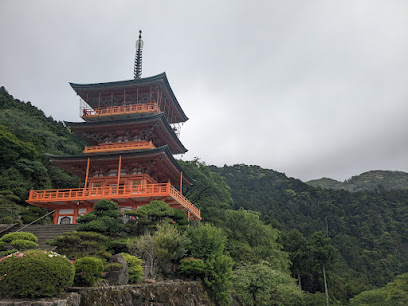
Discover Kumano-Nachi Taisha Grand Shrine: A spiritual haven where ancient traditions meet breathtaking natural beauty in the heart of Wakayama.
Koguchi shizen-no-ie
15.4 km
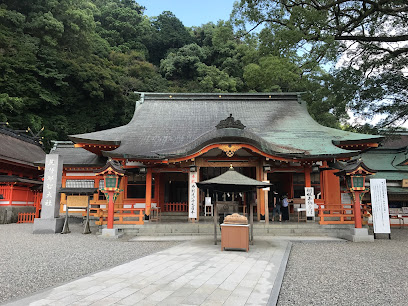
Experience tranquility at this renovated schoolhouse turned traditional Japanese inn, perfectly situated on the Kumano Kodo pilgrimage route.
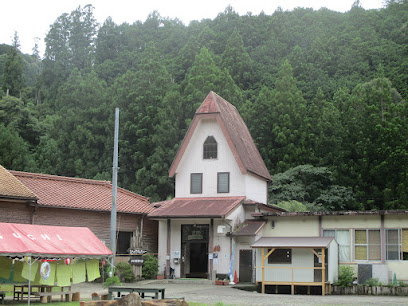
丸山千枚田
25.7 km
Discover the breathtaking beauty of Maruyama Senmaida, one of Japan's largest and most scenic rice terrace fields in Kumano, Mie.
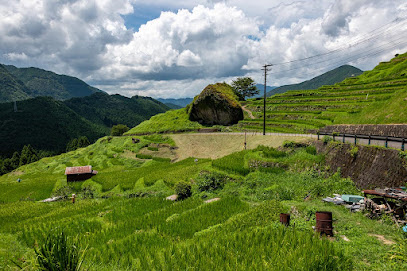
Kumano Hongu Heritage Center
26.1 km
Immerse yourself in the cultural heritage of the Kumano region at the Kumano Hongu Heritage Center, a gateway to the ancient pilgrimage routes.
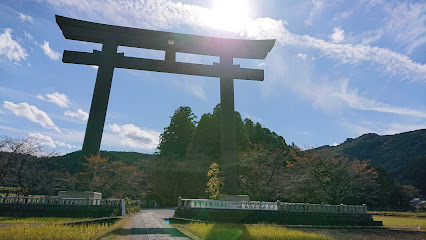
Akagi Castle Ruins
27.9 km
Discover Akagi Castle Ruins in Kumano: a blend of history, scenic views, and cherry blossoms at this Sengoku period landmark.
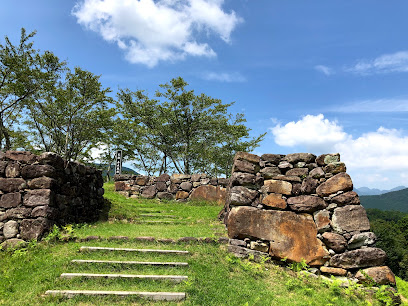
Kumano Kodo Guides
29.7 km
Experience the ancient Kumano Kodo pilgrimage routes with expert guides and immerse yourself in Japan's rich culture and breathtaking landscapes.
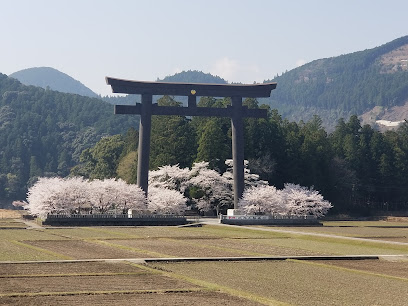
Third Place Kumano Kodo
35.1 km
Experience authentic Japanese hospitality on the Kumano Kodo at Third Place, a charming farmhouse retreat along the ancient pilgrimage trail.

Guest house Sora Chikatsuyu
36.1 km
Experience Japanese hospitality on the Kumano Kodo at Guest house Sora Chikatsuyu, a perfect base for exploring ancient pilgrimage trails.
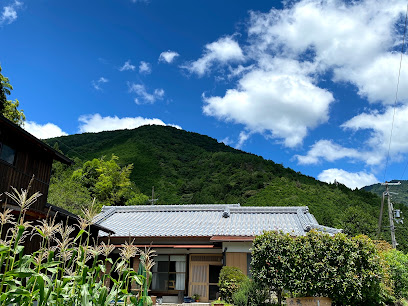
Iseji Trail Landmark After Terraces
45.0 km
Discover the serene beauty and historical significance of the Iseji Trail's terraced landscapes in Owase, a journey through Japan's ancient pilgrimage route.
Iseji Trail Landmark 1.9
47.8 km
Discover a serene section of the Kumano Kodo Iseji in Owase, Mie, where ancient pilgrimage paths meet stunning natural beauty.
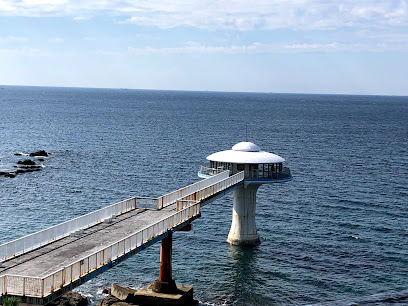
Shirahama Midsea Observation Tower CORAL PRINCESS (SHIRAHAMA KEY TERRACE HOTEL SEAMORE)
55.5 km
Explore Shirahama's underwater world at CORAL PRINCESS, an observation tower offering panoramic views of marine life and the Pacific Ocean.
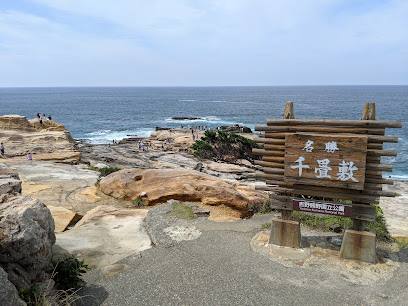
Senjojiki Rock Plateau
56.0 km
Discover the breathtaking views and serene ambiance of Senjojiki Rock Plateau, a stunning natural wonder on Japan’s Wakayama coastline.
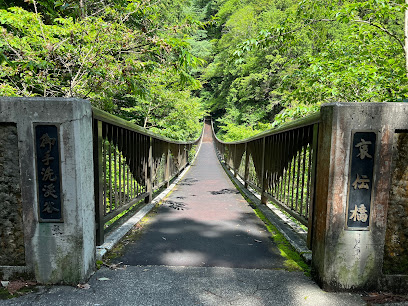
Mitaraikyoutsuri Bridge
65.9 km
Explore the stunning Mitaraikyoutsuri Bridge in Nara, where nature and tradition meet in a breathtaking landscape.
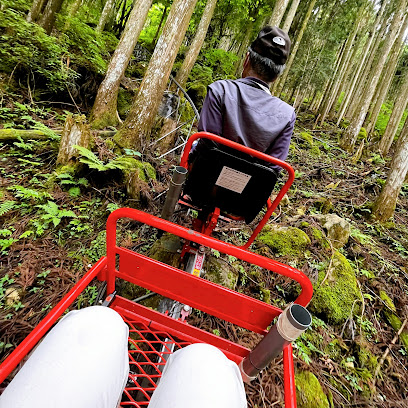
Goyomatsu Limestone Cave Monorail
69.2 km
Discover the enchanting beauty of Tenkawa's Goyomatsu Limestone Cave Monorail, a scenic journey through Japan's breathtaking natural landscapes.
Unmissable attractions to see

Kumano-Nachi Taisha Grand Shrine Homotsu-den Treasure Hall
4.9 km
Explore the Kumano-Nachi Taisha Grand Shrine Homotsu-den Treasure Hall, a historical gem showcasing Japan's Shinto heritage and breathtaking natural beauty.
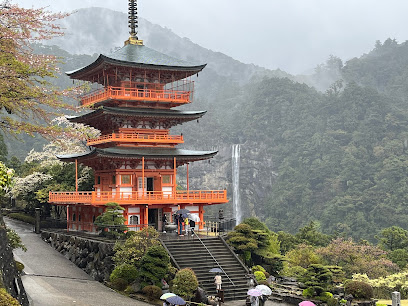
Kumano-Nachi Taisha
4.9 km
Explore the spiritual heart of Wakayama at Kumano-Nachi Taisha, a stunning Shinto shrine surrounded by natural beauty and rich cultural history.
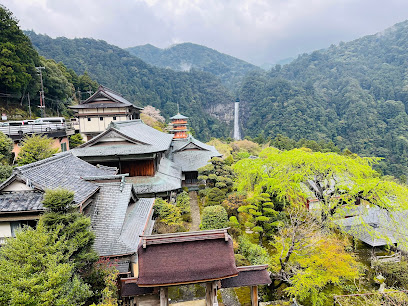
Seiganto-ji
4.9 km
Discover the tranquility and beauty of Seiganto-ji, a historic Buddhist temple overlooking the stunning Nachi Falls in Wakayama, Japan.
Nachi Waterfall
5.5 km
Discover the breathtaking Nachi Waterfall, Japan's tallest waterfall, a serene blend of nature and spirituality in Wakayama Prefecture.
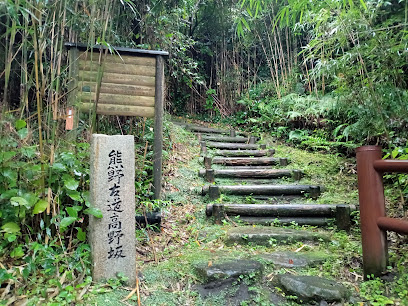
Koyazaka Slope
8.2 km
Discover the enchanting Koyazaka Slope in Wakayama, a captivating hiking area rich in history and breathtaking views, perfect for all nature lovers.
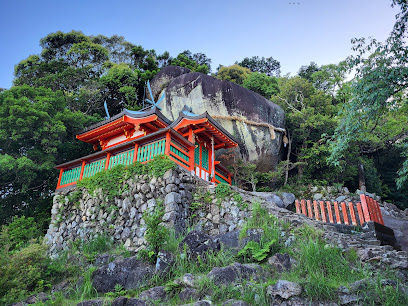
Kamikura Shrine
9.7 km
Experience the serene beauty and spiritual heritage of Kamikura Shrine, a treasured Shinto site in the heart of Wakayama, Japan.
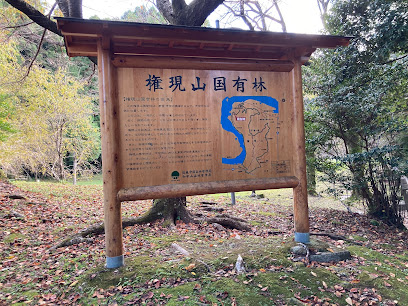
千穂ヶ峰(権現山)
10.2 km
Discover the natural beauty and breathtaking views at Kumano Fudo Peak, a must-visit hiking area in Shingu, Wakayama, Japan.
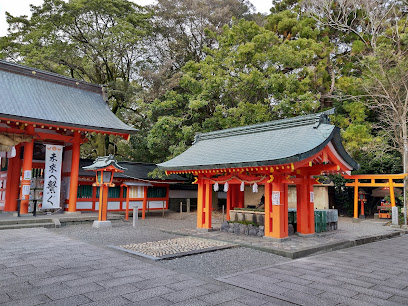
Kumano Hayatama Taisha
10.7 km
Explore Kumano Hayatama Taisha, a revered Shinto shrine in Wakayama, where ancient traditions and stunning landscapes converge for an unforgettable experience.
Kumano-Kodo Shimizu-toge Pass
10.9 km
Discover breathtaking views and spiritual trails at Kumano-Kodo Shimizu-toge Pass, a must-visit hiking destination in Wakayama, Japan.
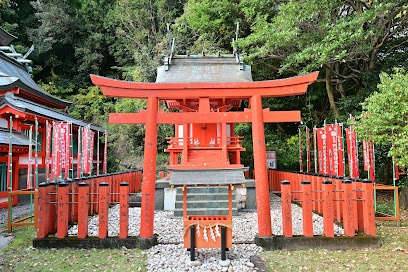
Asuka Shrine
11.0 km
Explore the tranquil beauty and rich history of Asuka Shrine, a sacred Shinto site nestled in the serene landscapes of Wakayama, Japan.
Kumano Boat River Cruise
16.6 km
Discover the tranquil beauty of Wakayama on the Kumano Boat River Cruise, a serene journey through history and nature's splendor.
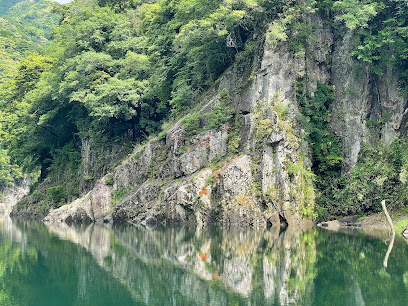
Hashiguiiwa Rocks
21.6 km
Discover the breathtaking Hashiguiiwa Rocks in Kushimoto, Wakayama – a stunning natural attraction with unique rock formations and picturesque coastal views.
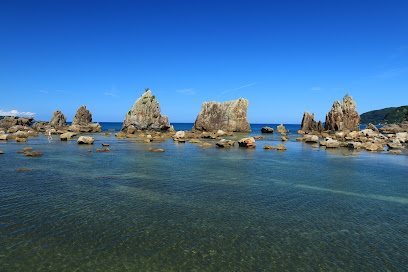
Kii Ōshima
22.2 km
Explore Kii Ōshima, an idyllic island in Wakayama, where stunning landscapes meet rich cultural heritage for an unforgettable travel experience.
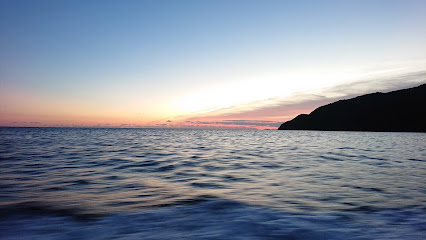
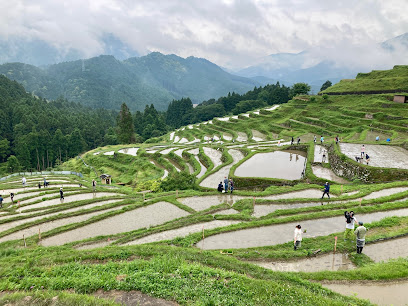
丸山千枚田
25.7 km
Explore the enchanting Maruyama Senmaida, a stunning terraced rice field in Kumano, Mie, showcasing Japan's natural beauty and agricultural heritage.
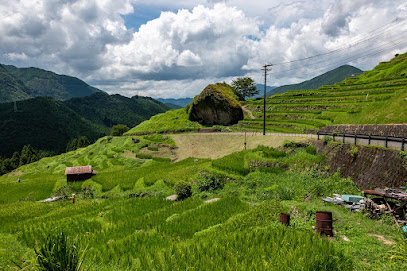
Maruyama Senmaida
25.7 km
Experience the breathtaking beauty of Maruyama Senmaida, Japan's iconic terraced rice fields, where nature and culture intertwine in stunning harmony.
Essential places to dine

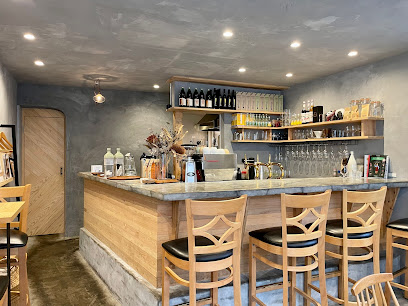
Wine Kumano
1.9 km
Experience the delightful fusion of local wines and exquisite cuisine at Wine Kumano in Nachikatsuura.
熊野のめざめ
1.9 km
Experience authentic Japanese cuisine at 熊野のめざめ in Nachikatsuura – where every meal tells a story of tradition and flavor.
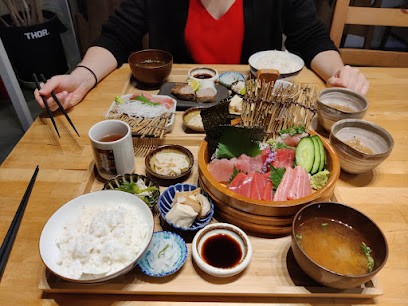
bodai
2.0 km
Discover Bodai in Wakayama for an unforgettable seafood dining experience featuring fresh local catches and traditional Japanese hospitality.
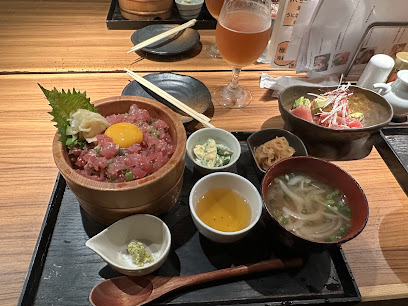
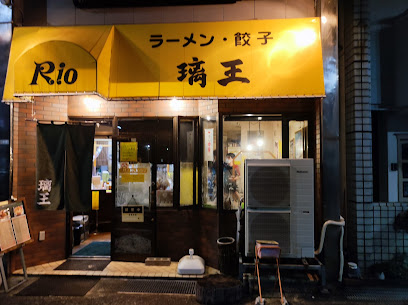
Rio Ramen
2.0 km
Experience authentic Japanese flavors at Rio Ramen in Nachikatsuura – where every bowl tells a story.
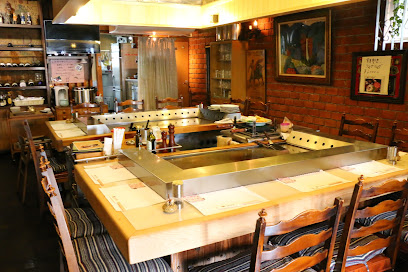
Hinoki Steak House
2.0 km
Experience the exquisite flavors of premium steaks at Hinoki Steak House in Nachikatsuura - where every bite is crafted with care.
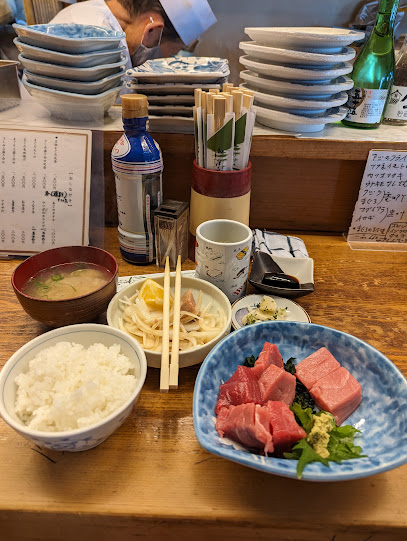
Takehara
2.1 km
Experience authentic Japanese seafood in Takehara – where fresh ingredients meet exquisite culinary craftsmanship.
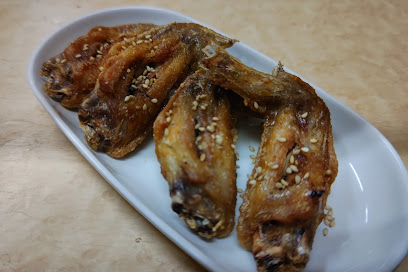
Kumagoro
10.1 km
Experience the essence of traditional izakaya dining at Kumagoro in Shingu - where authentic flavors meet warm hospitality.
Kakinoate
10.7 km
Experience authentic Japanese cuisine at Kakinoate in Shingu, where every dish tells a story of tradition and flavor.
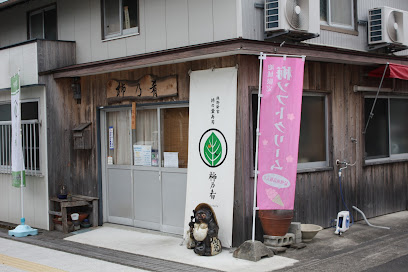
ときわや
24.0 km
Experience authentic Japanese cuisine at ときわや in Wakayama—where local flavors meet culinary tradition.
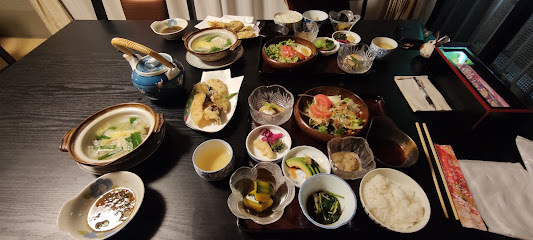
Watarase onsen cafe
24.9 km
Discover serenity and flavor at Watarase Onsen Cafe in Tanabe – where traditional Japanese cuisine meets soothing hot springs.
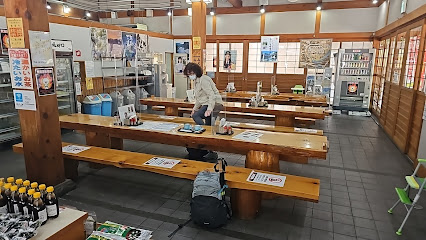
しもじ 本宮店
26.0 km
Indulge in authentic handmade udon noodles at しもじ 本宮店, a charming eatery nestled in Tanabe's scenic beauty.
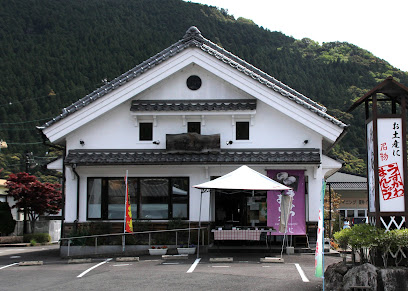
茶房珍重庵 本宮店
26.2 km
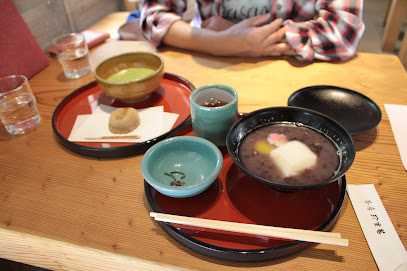
Discover traditional Japanese sweets and savory soba at Chabo Jinchouan in Tanabe - an authentic taste experience awaits!
山伏そば 拝庵
29.1 km
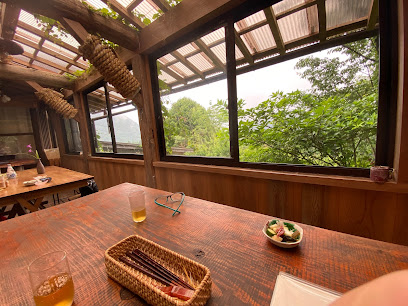
Experience authentic Japanese soba noodles amidst breathtaking landscapes at Yamabushi Soba Haian in Tanabe.
Kumano Kodo Omotenashi-Kan
31.5 km
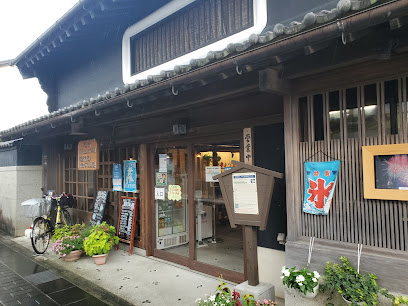
Discover Kumano Kodo Omotenashi-Kan: A charming cafe offering delicious coffee and local cuisine along Japan's historic pilgrimage route.
Onigajō cliff Center.
32.2 km
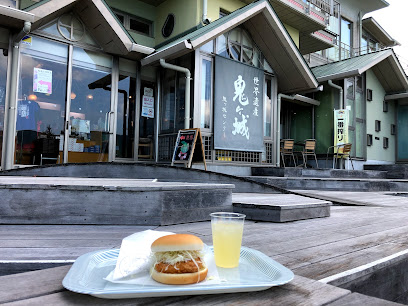
Experience authentic Mie Prefecture cuisine at Onigajō Cliff Center while enjoying breathtaking coastal views and unique souvenirs.
Markets, malls and hidden boutiques

Daimonzaka Chaya
4.4 km
Experience the elegance of traditional Japanese attire at Daimonzaka Chaya, the premier costume rental service in Wakayama for your cultural adventure.
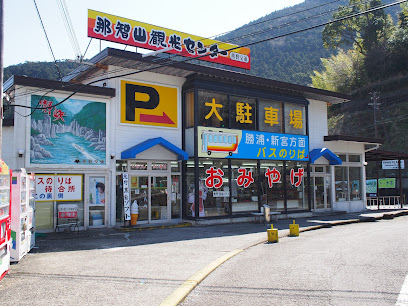
Nachisan Sightseeing Center
4.7 km
Discover unique souvenirs and delightful treats at the Nachisan Sightseeing Center, your go-to destination in Nachikatsuura, Wakayama.
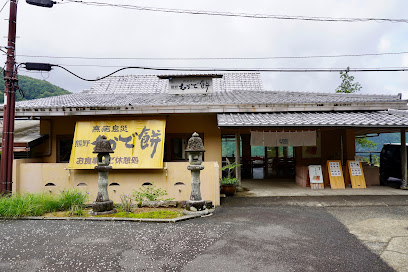
Moudemochi
4.9 km
Discover the art of Japanese sweets at Moudemochi, where traditional mochi meets a serene dining experience in the heart of Nachikatsuura.
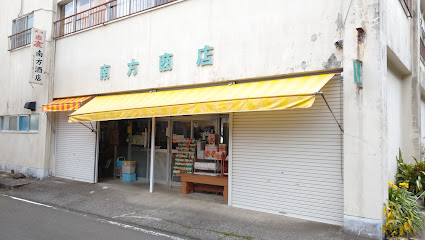
南方商店
15.2 km
Explore local flavors and essentials at 南方商店, your go-to grocery store in Shingu, Wakayama, for a delightful shopping experience.
Sansaro Cafe
17.9 km
Discover the perfect blend of comfort and flavor at Sansaro Cafe, a cozy bed and breakfast and coffee haven in Shingu, Wakayama.
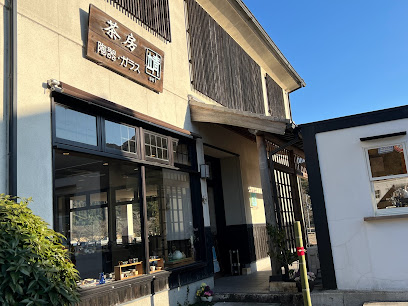
ガラス屋・茶房「靖」
26.0 km
Discover the beauty of handcrafted glass art and the pleasure of coffee at ガラス屋・茶房「靖」 in Tanabe, Wakayama.
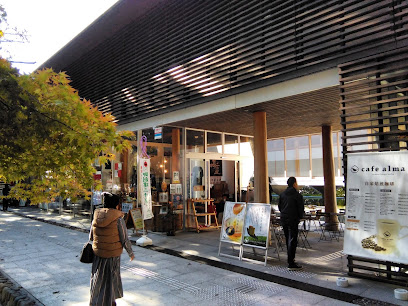
Iseya
26.2 km
Experience traditional Japanese hospitality at Iseya, a budget-friendly inn in Tanabe, Wakayama, perfect for relaxing getaways and cultural exploration.
茶房珍重庵 本宮店
26.2 km
Discover the authentic taste of Japan at Chabou Jinchouan, where traditional sweets and soba dishes await in the heart of Tanabe, Wakayama.
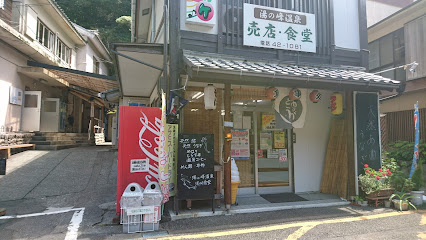
Yunomine Onsen Shop/Dining Hall
26.2 km
Indulge in traditional Japanese dishes while enjoying the peaceful atmosphere of Yunomine Onsen, a culinary gem in Wakayama.
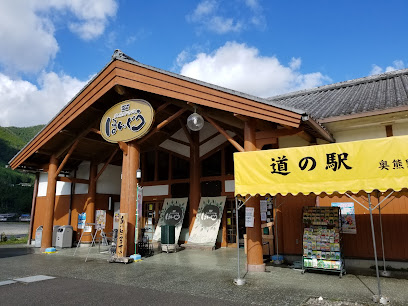
Road Station Oku-kumanokodo Hongu
29.2 km
Discover local flavors and beautiful scenery at Road Station Oku-kumanokodo Hongu, the ideal rest stop in Wakayama Prefecture.
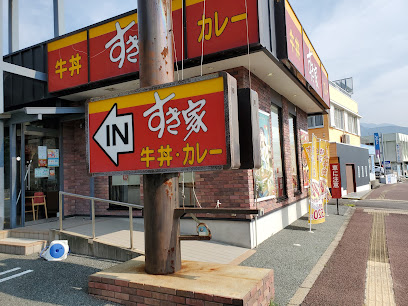
Sukiya R42 Kumano
30.6 km
Discover the authentic taste of Japan at Sukiya R42 Kumano, where delicious beef rice bowls and comforting curries await.
WAGARANCHI HOSTEL
31.6 km
Experience traditional Japanese hospitality at Wagaranchi Hostel, your gateway to Kumano's scenic beauty and cultural heritage.
KUMANOYASAI CAFE
35.7 km
Discover the charm of Kumonoyasai Cafe, where fresh local flavors meet serene surroundings along the Kumano Kodo pilgrimage route.
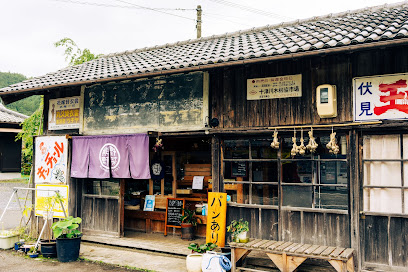
Hashiori-jaya
35.8 km
Experience the serene charm of Hashiori-jaya, a delightful coffee shop in Tanabe offering exceptional brews and a tranquil atmosphere.
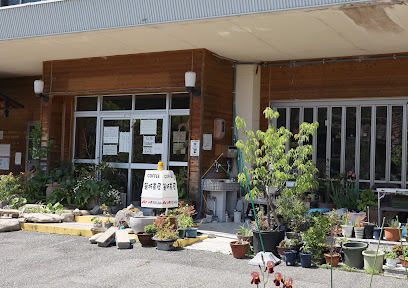
Guest House & Coffee Keyaki
40.7 km
Discover serenity at Guest House & Coffee Keyaki, your perfect retreat along the Kumano Kodo pilgrimage in Wakayama.
Essential bars & hidden hideouts

割烹BAR = EL CAMINO DEL POETA =
1.9 km
Experience the best of Japanese cuisine at El Camino del Poeta, where fresh seafood meets modern izakaya flair in the heart of Katsuura.
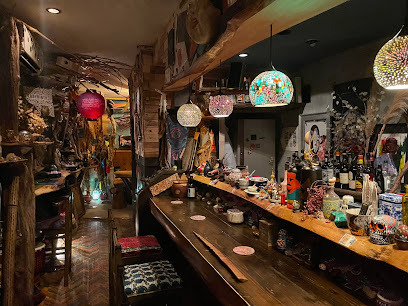
Why Kumano
2.0 km
Experience the perfect blend of comfort, culture, and culinary delights at Why Kumano, your gateway to the enchanting Kumano Kodo pilgrimage.
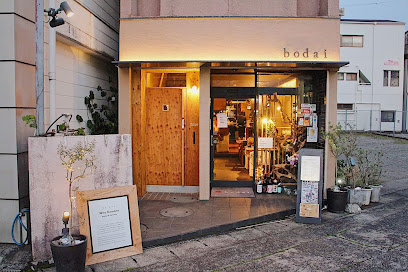
Guest House Okagesan
25.3 km
Experience authentic Japanese culture at Guest House Okagesan, a budget-friendly inn in the serene landscapes of Tanabe, Wakayama.
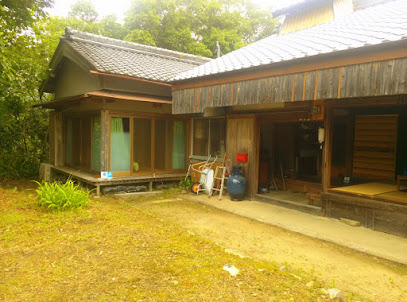
宮ずし
26.1 km
Experience the authentic flavors of sushi at 宮ずし in Tanabe, Wakayama - a must-visit for culinary enthusiasts and travelers alike.
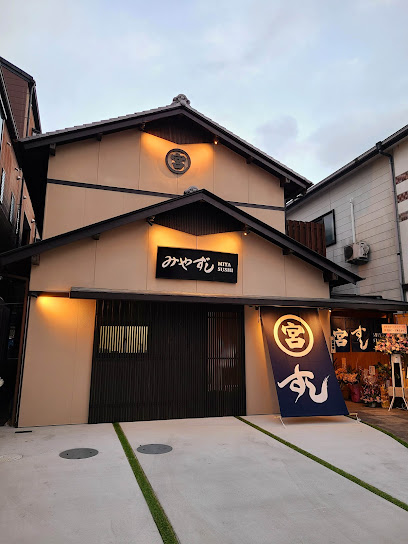
Minshuku Kuraya
26.2 km
Discover the charm of Minshuku Kuraya, where traditional Japanese hospitality meets serene nature in Yunomine, Wakayama.
THE SAILING BAR
96.5 km
Experience Sakurai's vibrant nightlife at The Sailing Bar, where exquisite cuisine meets a charming nautical atmosphere.