Founding of Chitré
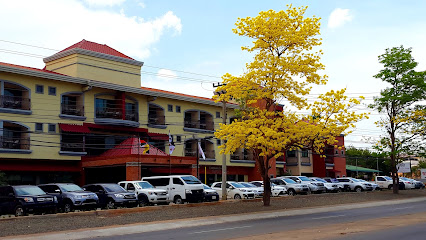
Chitré, the capital of the Herrera Province in Panama, was founded on October 19, 1848. It was established by a group of settlers led by Juan Elias Mora. The city was strategically located near the La Villa River, which provided essential resources and facilitated trade and communication with other regions.
Colonial Influence
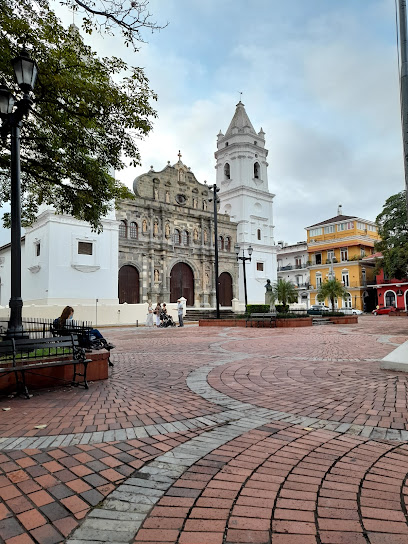
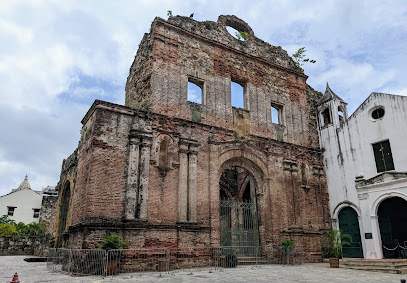
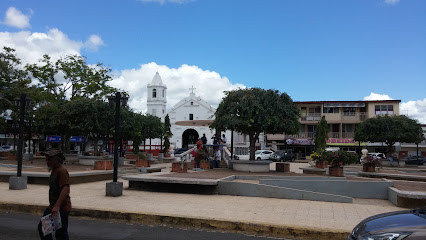
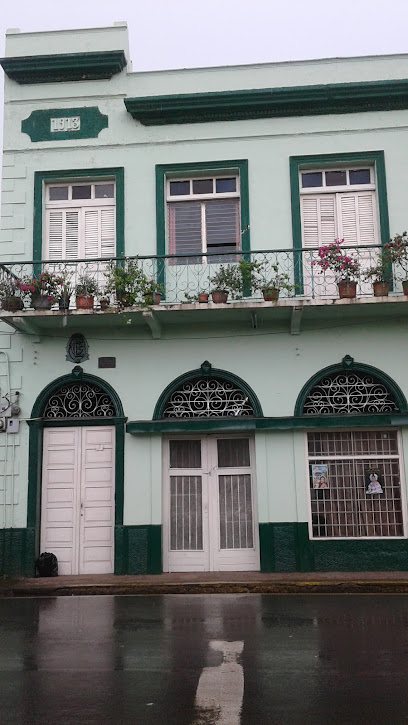
During the colonial period, Chitré became an important hub for Spanish settlers. The city’s architecture and urban layout reflect Spanish colonial influence, which can still be seen in many of its historic buildings and churches, such as the Parroquia San Juan Bautista. The colonial era also saw the establishment of Chitré as a center for agricultural and cattle farming activities.
Independence and National Identity
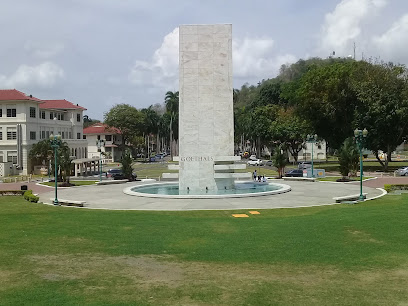
Chitré played a significant role in Panama’s journey towards independence from Spain, which was achieved on November 28, 1821. The city’s residents were actively involved in nationalist movements that sought to establish a distinct Panamanian identity. The celebrations of national holidays in Chitré are particularly vibrant, showcasing traditional music, dance, and attire that reflect the city’s patriotic spirit.
Economic Development
Throughout the 20th century, Chitré experienced significant economic growth, becoming a commercial and industrial hub in the Azuero Peninsula. The city’s economy diversified with the introduction of manufacturing, retail, and service industries. Chitré’s central location and well-developed infrastructure, including the Chitré Airport, have made it a key economic center in Panama.
Cultural Festivals and Traditions
Chitré is renowned for its rich cultural heritage and vibrant festivals. One of the most significant is the Festival de la Mejorana, celebrated in nearby Guararé, which showcases traditional Panamanian folk music, dances, and attire. The city also celebrates Carnival with grand parades, elaborate costumes, and lively music, attracting visitors from all over the country and beyond.
Historic Landmarks
Chitré is home to several historic landmarks that offer a glimpse into its past. The Museo de Herrera, located in a colonial-era building, houses artifacts and exhibits related to the region’s history and culture. The Parroquia San Juan Bautista, with its impressive baroque architecture, stands as a testament to the city’s colonial heritage and religious significance.